View methods side by side.
Choose up to four methods. Add them using the search and share the comparison by copying its link.
Selected:Accountability LadderTeam Cognitive Load AssessmentSprint RetrospectiveStarfish Retrospective
| Criterion |  Operations Accountability Ladder | 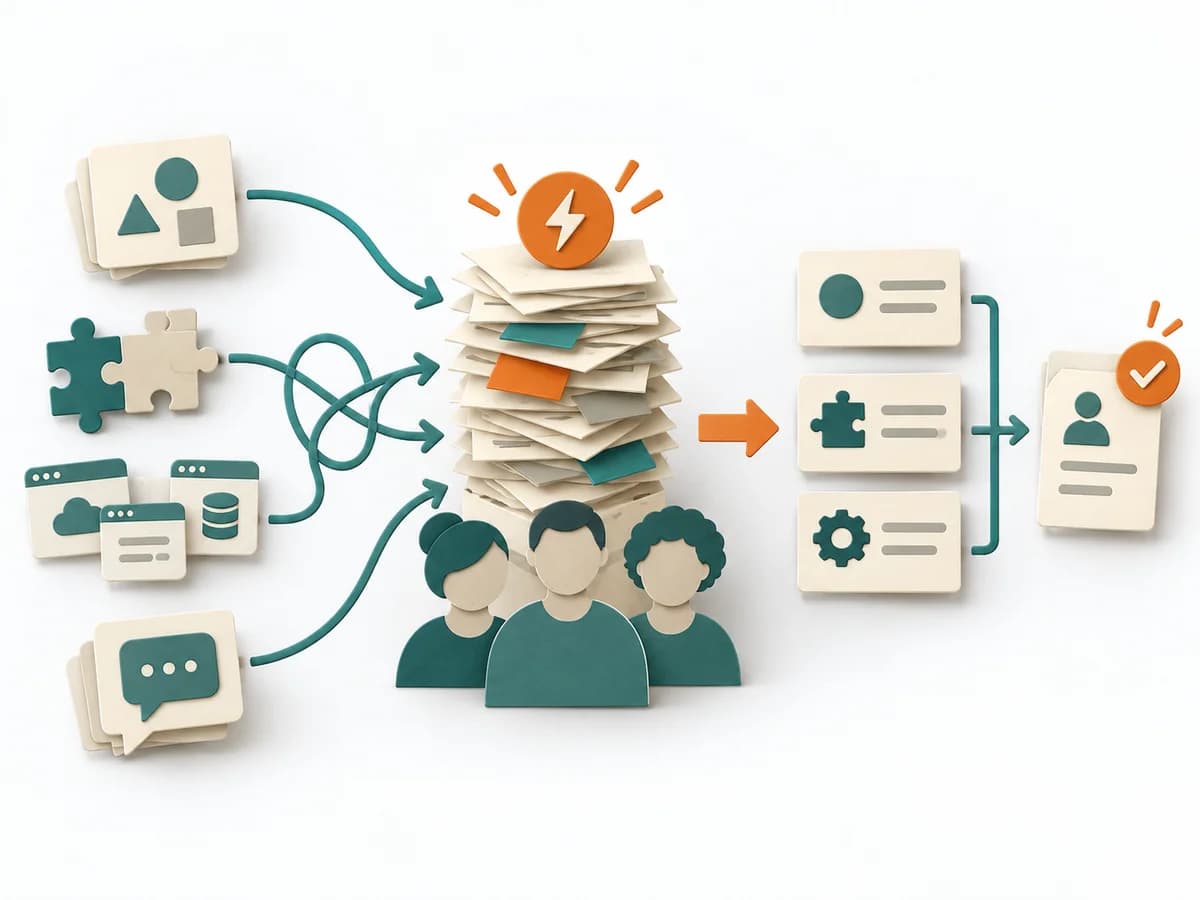 Team Design Team Cognitive Load Assessment |  Agile Sprint Retrospective | 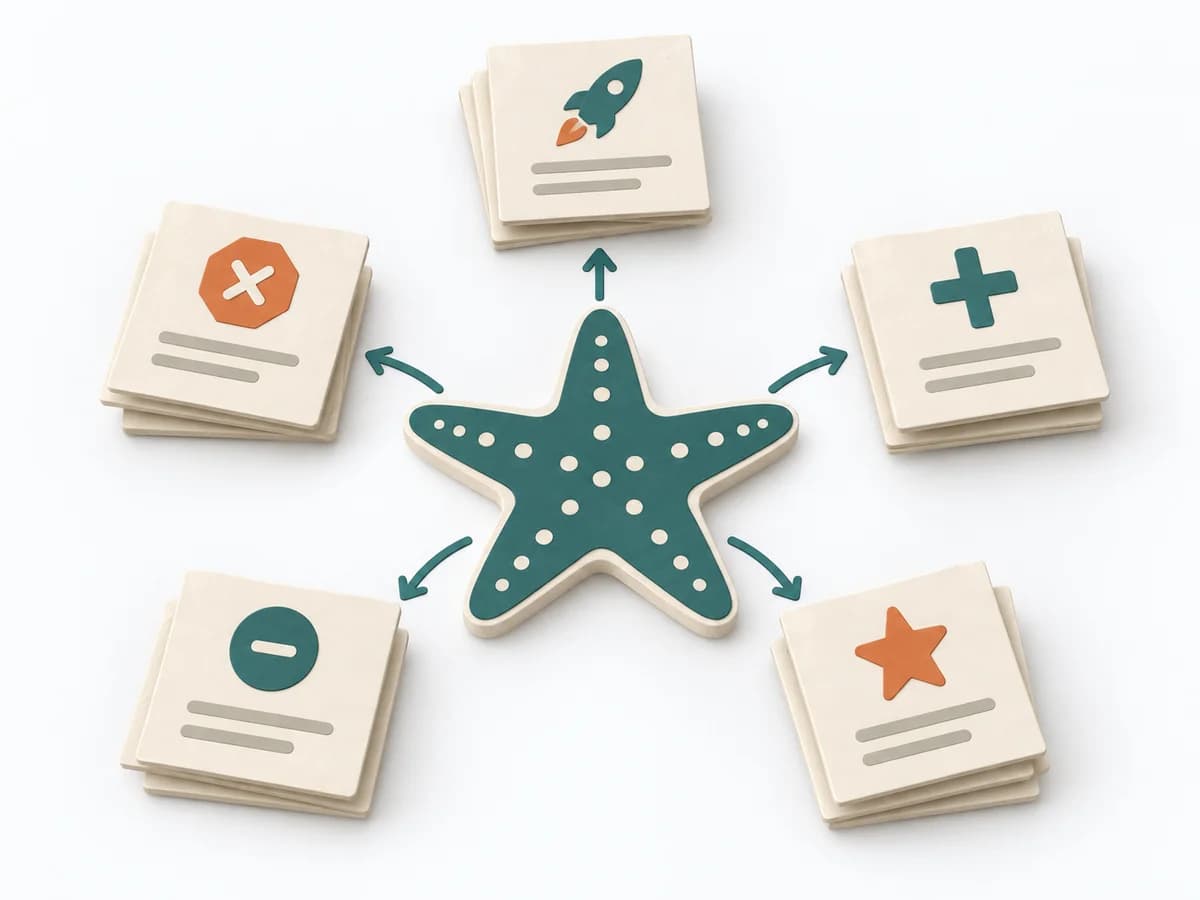 Agile Starfish Retrospective |
|---|---|---|---|---|
Purposedifferent | With defensive reactions to problems, the method shifts the view from justification to ownership. It makes visible which reaction stage a person or team is currently stuck on. | When a team juggles too many domains, systems, or handoffs, it measures mental overload as an organizational problem. It clarifies responsibility, interaction, and load between teams. The result is captured as a cognitive-load profile and action list. | When a sprint is over and friction shouldn't simply be carried forward, it opens the view onto collaboration and patterns. It creates space to see causes and changes together. | When improvement options need to be sorted more finely than just start and stop, it brings observations into clear kinds of action. This makes visible what should be done more, less, newly, or continued. |
Complexitydifferent | Low | Medium | Low | Low |
Timedifferent | 20-45 min | 60-90 min | Up to 3 hours for a one-month Sprint; shorter Sprints are usually shorter | 45-90 min |
Participantsdifferent | 1-8 | 3-12 | Scrum Team | 4-12 |
Formatdifferent | Workshop + async | Workshop + async | Workshop | Workshop |
Outputdifferent | Ownership Reflection, Action Commitment, Coaching Notes | Cognitive Load Profile, Action List | Improvement actions, Team agreements | Starfish Board, Practice Changes, Experiments |
Tagsno overlap | ResponsibilityLeadershipTeam | TeamComplexityImprovementDiagnosis | RetrospectiveImprovementLearning | RetrospectiveImprovementExperimentsTeam |