View methods side by side.
Choose up to four methods. Add them using the search and share the comparison by copying its link.
Selected:Accountability LadderTeam Cognitive Load AssessmentResponsibility PokerSailboat Retrospective
| Criterion |  Operations Accountability Ladder | 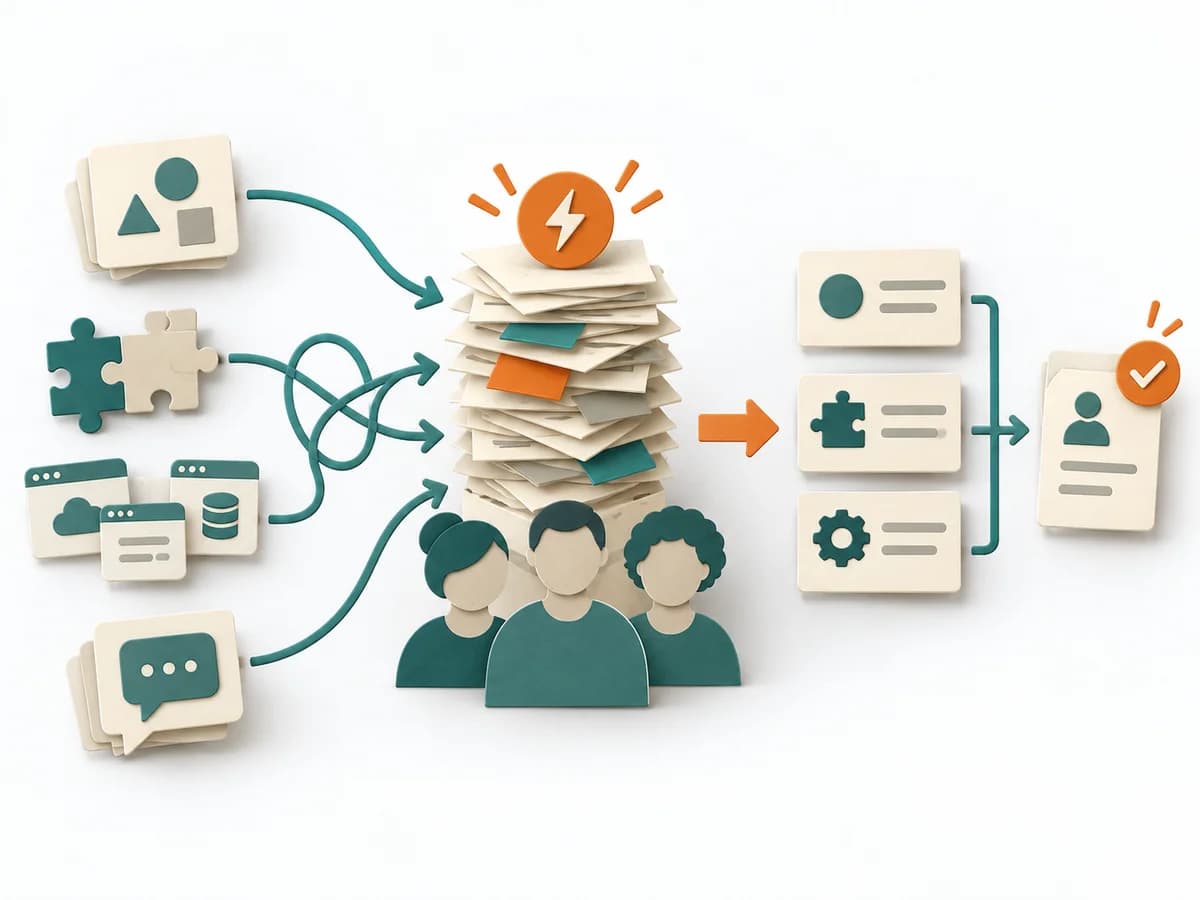 Team Design Team Cognitive Load Assessment |  Facilitation Responsibility Poker | 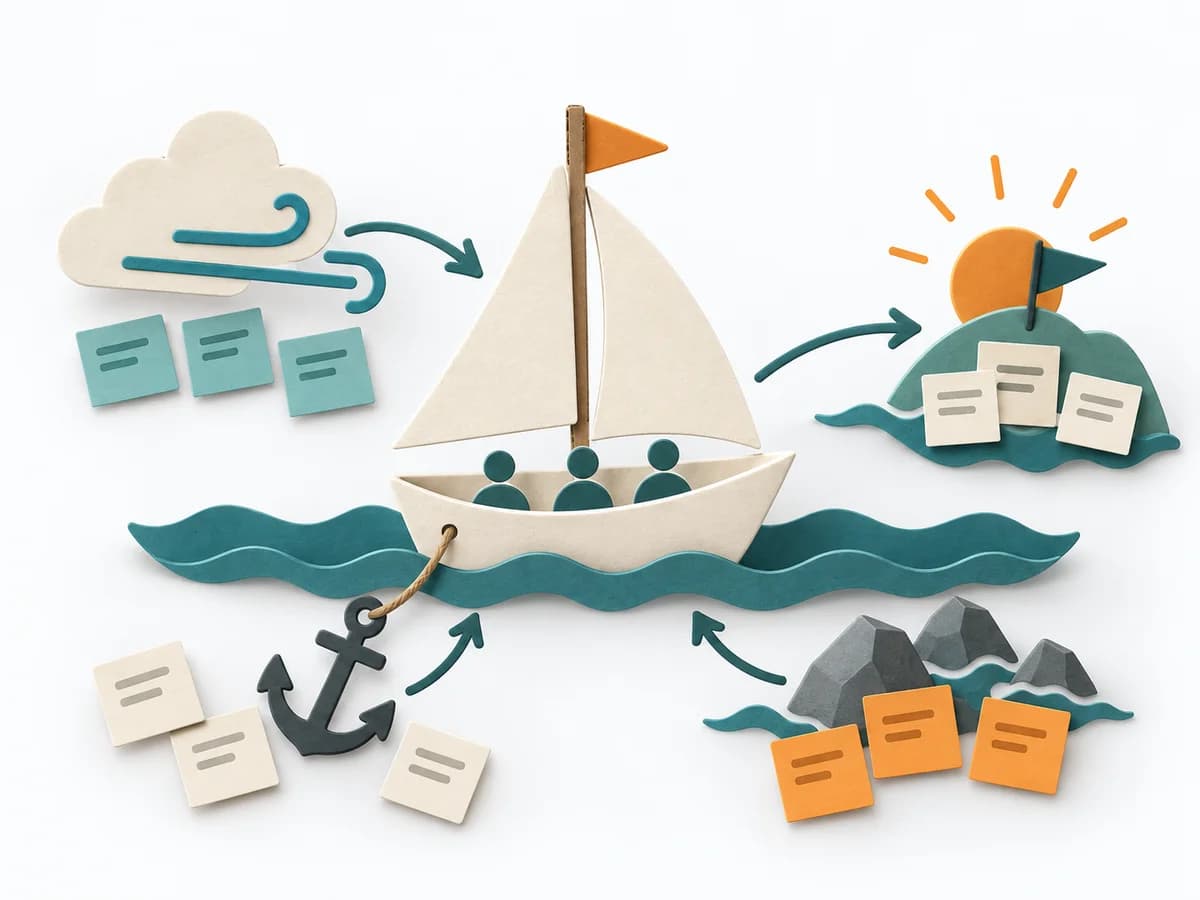 Agile Sailboat Retrospective |
|---|---|---|---|---|
Purposedifferent | With defensive reactions to problems, the method shifts the view from justification to ownership. It makes visible which reaction stage a person or team is currently stuck on. | When a team juggles too many domains, systems, or handoffs, it measures mental overload as an organizational problem. It clarifies responsibility, interaction, and load between teams. The result is captured as a cognitive-load profile and action list. | When it stays unclear who carries responsibility and who only contributes, Responsibility Poker makes the distribution of responsibility explicit. It sharpens the boundaries between weighing in, deciding, and bearing consequences. | When a team wants to read momentum, brakes, and risks together, it offers an easily understandable picture of the situation. It makes drive, obstacles, and headwind visible in the same picture. |
Complexitydifferent | Low | Medium | Low | Low |
Timedifferent | 20-45 min | 60-90 min | 45-90 min | 45-90 min |
Participantsdifferent | 1-8 | 3-12 | 3-10 | 4-12 |
Formatdifferent | Workshop + async | Workshop + async | Workshop | Workshop |
Outputdifferent | Ownership Reflection, Action Commitment, Coaching Notes | Cognitive Load Profile, Action List | Responsibility Map, Role Agreements, Open Questions | Sailboat Board, Risks, Improvement Actions |
Tags1 shared | ResponsibilityLeadershipTeam | TeamComplexityImprovementDiagnosis | RolesResponsibilityTeamFacilitation | RetrospectiveTeamImprovement |