View methods side by side.
Choose up to four methods. Add them using the search and share the comparison by copying its link.
| Criterion | 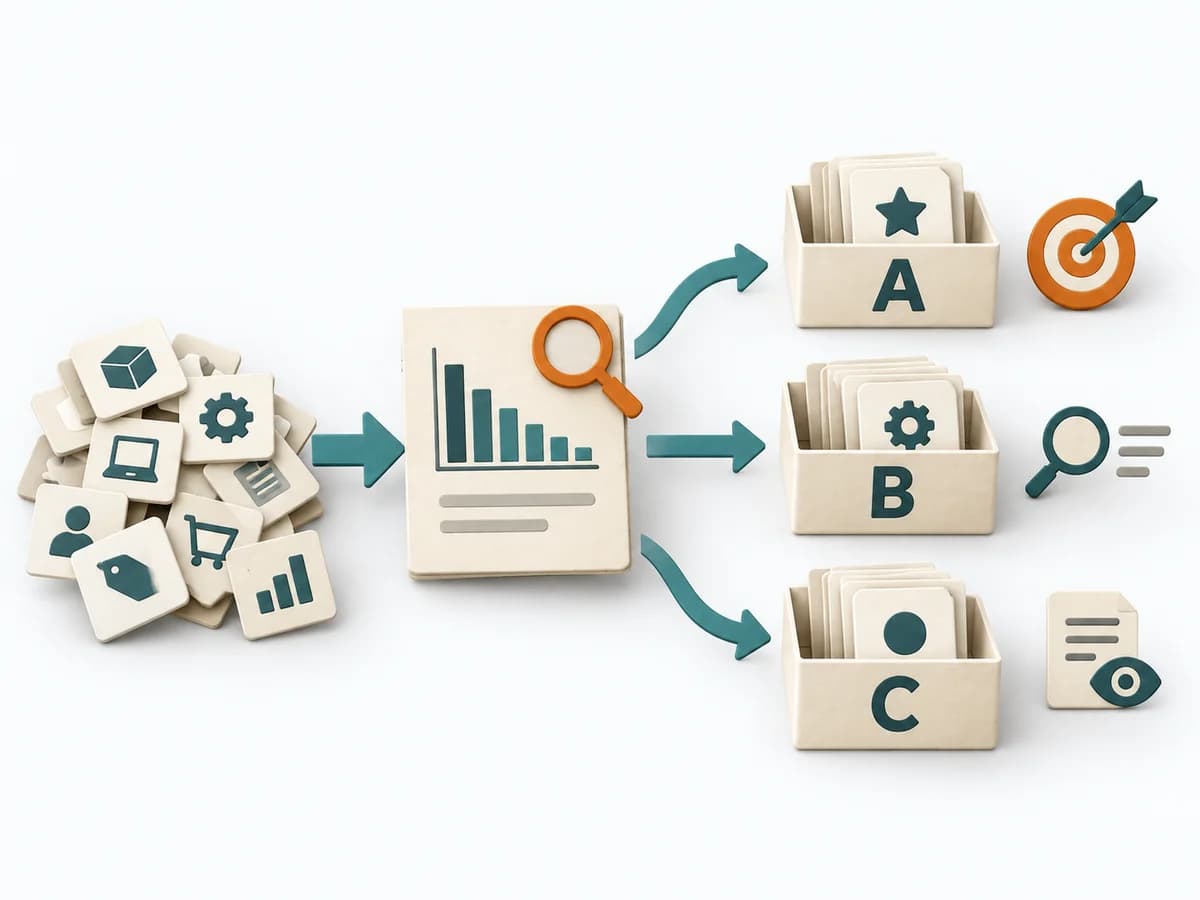 Operations ABC Analysis |  Operations Kepner-Tregoe | 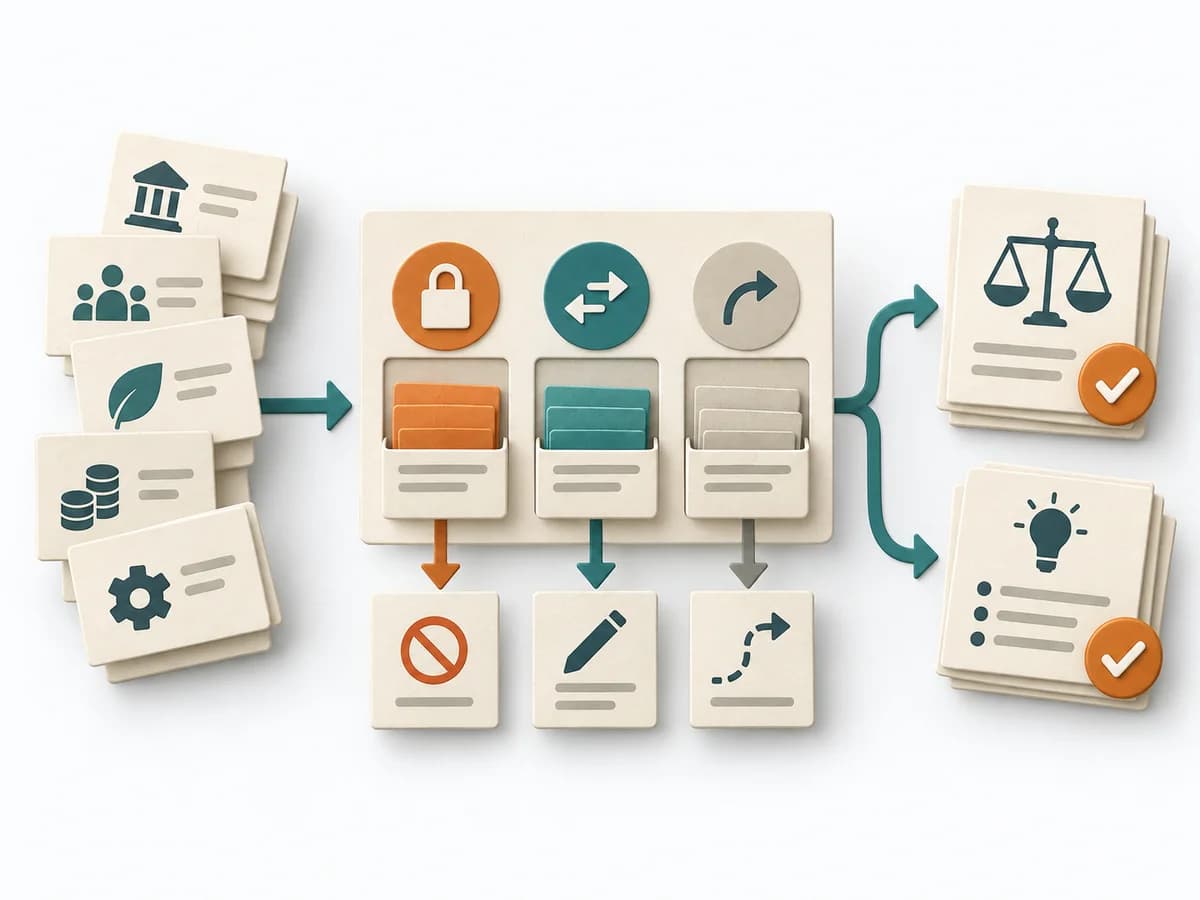 Decision Making Constraint Analysis |  Operations 5 Whys |
|---|---|---|---|---|
Purposedifferent | With many similar objects of differing economic significance, the method prioritizes effort by effect. It separates what needs regular steering from what rarely needs attention. | For a disturbance that's hard to pin down, the method cleanly separates problem, cause, and decision. It reduces mixing when symptoms allow several interpretations. | When an initiative stalls, the limit often lies not in the idea but in hard or soft boundary conditions. Constraint Analysis separates these limits and shows which of them can actually be shaped. | For a single, hard-to-explain deviation, the method exposes the causal chain behind the visible symptom. It keeps the cause open until a controllable condition emerges instead of a mere description. |
Complexitydifferent | Low | High | Low | Low |
Timedifferent | 30-60 min | 2-8 h | 30-90 min | 15-30 min |
Participantsdifferent | 1-5 | 2-8 | 2-8 | 2-6 |
Formatdifferent | Async | Workshop + async | Workshop + async | Workshop |
Outputdifferent | ABC Classification, Focus Rules, Control List | Problem Analysis, Decision Analysis, Risk Plan | Constraint List, Hard/Soft Classification, Option Impact Notes, Decision Boundaries | Root cause notes, Countermeasures |
Tagsno overlap | PrioritizationOperationsPortfolio | Problem solvingRoot causeDecisionOperations | ConstraintsDecisionPlanningOptions | Root causeIncidentLeanProblem solving |