View methods side by side.
Choose up to four methods. Add them using the search and share the comparison by copying its link.
| Criterion | 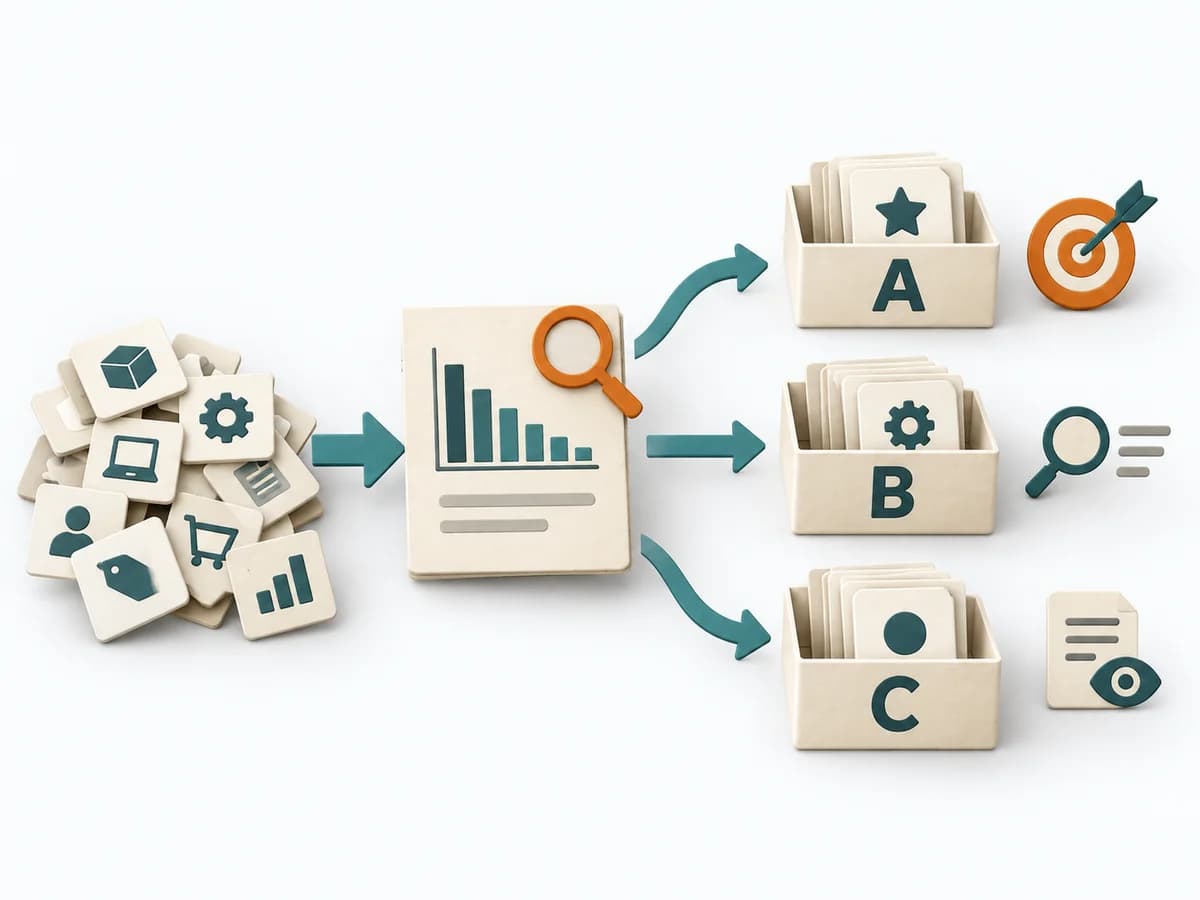 Operations ABC Analysis | 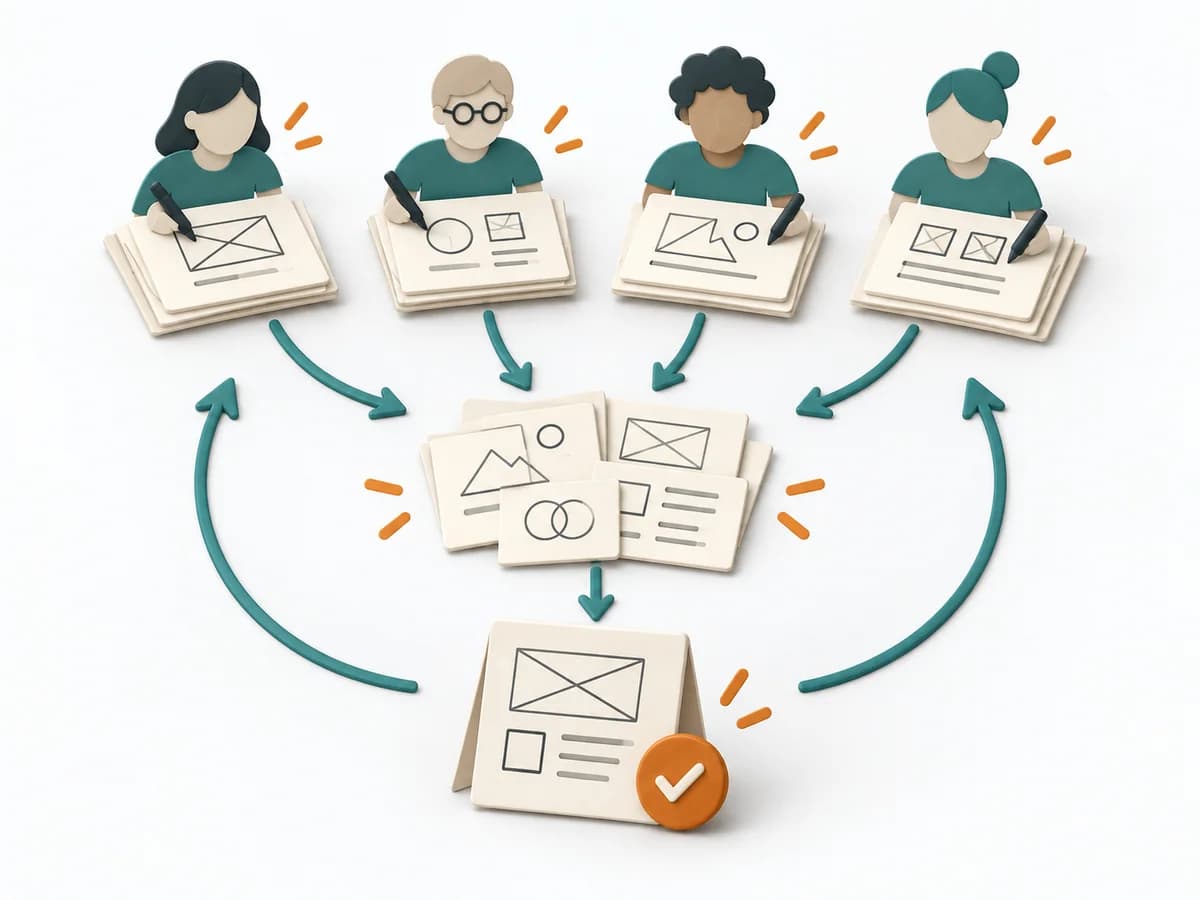 Innovation Design Charrette |  Operations 5 Whys |  Operations Kepner-Tregoe |
|---|---|---|---|---|
Purposedifferent | With many similar objects of differing economic significance, the method prioritizes effort by effect. It separates what needs regular steering from what rarely needs attention. | In a tightly timed design process with many participants, the method pools several lines of thinking in a short time. It brings parallel design energy without letting the discussion tip into endless coordination. This quickly produces solid directions for architecture or space. | For a single, hard-to-explain deviation, the method exposes the causal chain behind the visible symptom. It keeps the cause open until a controllable condition emerges instead of a mere description. | For a disturbance that's hard to pin down, the method cleanly separates problem, cause, and decision. It reduces mixing when symptoms allow several interpretations. |
Complexitydifferent | Low | Medium | Low | High |
Timedifferent | 30-60 min | Halber Tag bis mehrere Tage | 15-30 min | 2-8 h |
Participantsdifferent | 1-5 | 10-50 | 2-6 | 2-8 |
Formatdifferent | Async | Workshop | Workshop | Workshop + async |
Outputdifferent | ABC Classification, Focus Rules, Control List | Sketches and Concepts, Consolidated Solution Sketch, Prioritized Direction | Root cause notes, Countermeasures | Problem Analysis, Decision Analysis, Risk Plan |
Tagsno overlap | PrioritizationOperationsPortfolio | BrainstormingWorkshopCollaborationIdeation | Root causeIncidentLeanProblem solving | Problem solvingRoot causeDecisionOperations |