View methods side by side.
Choose up to four methods. Add them using the search and share the comparison by copying its link.
| Criterion | 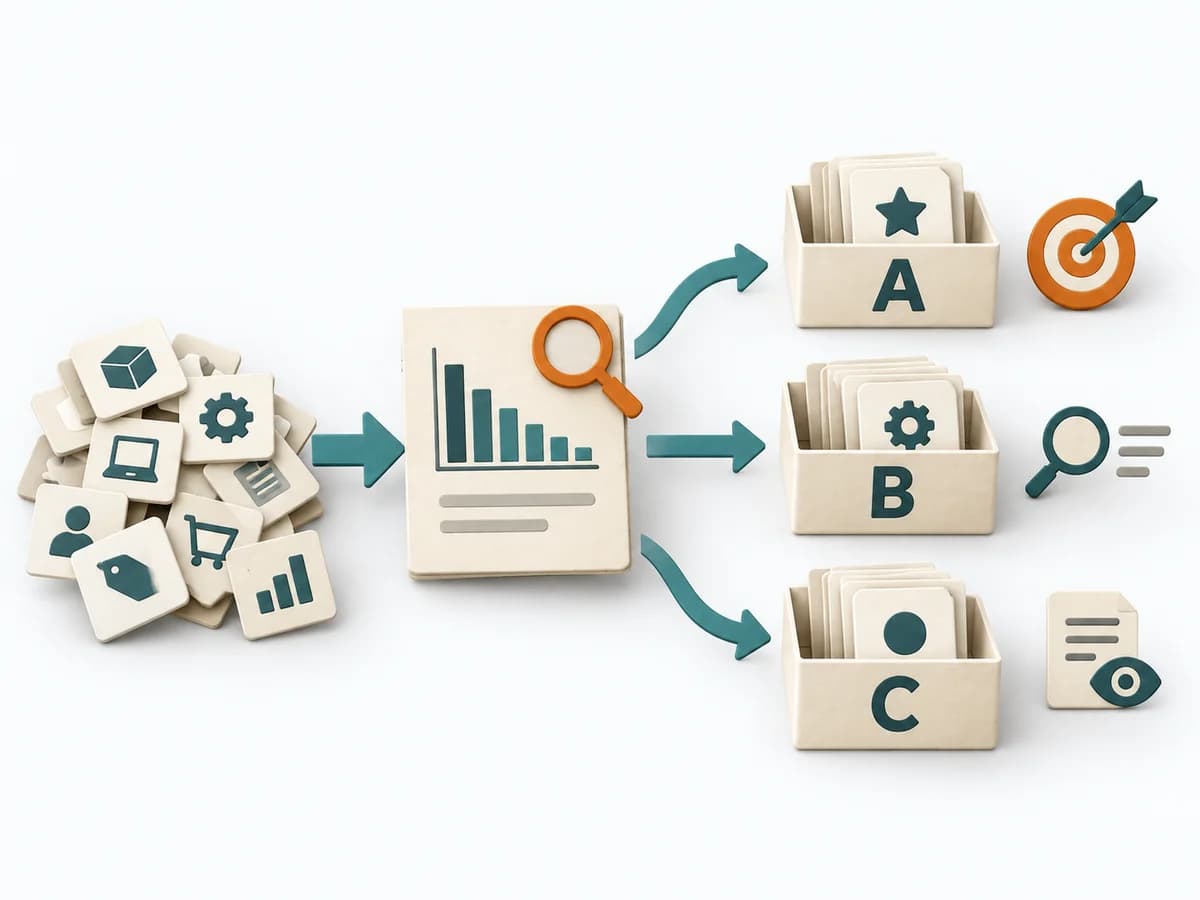 Operations ABC Analysis | 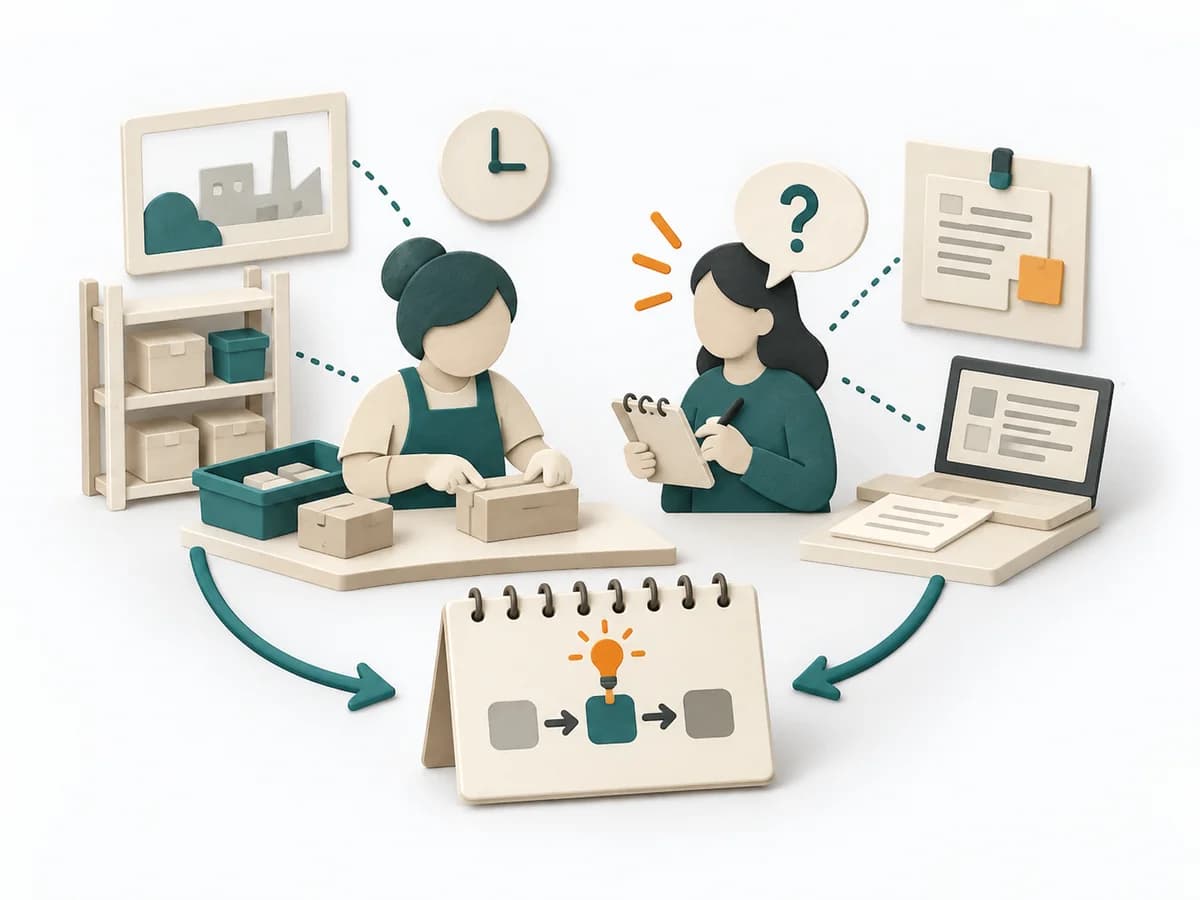 UX Research Contextual Inquiry | 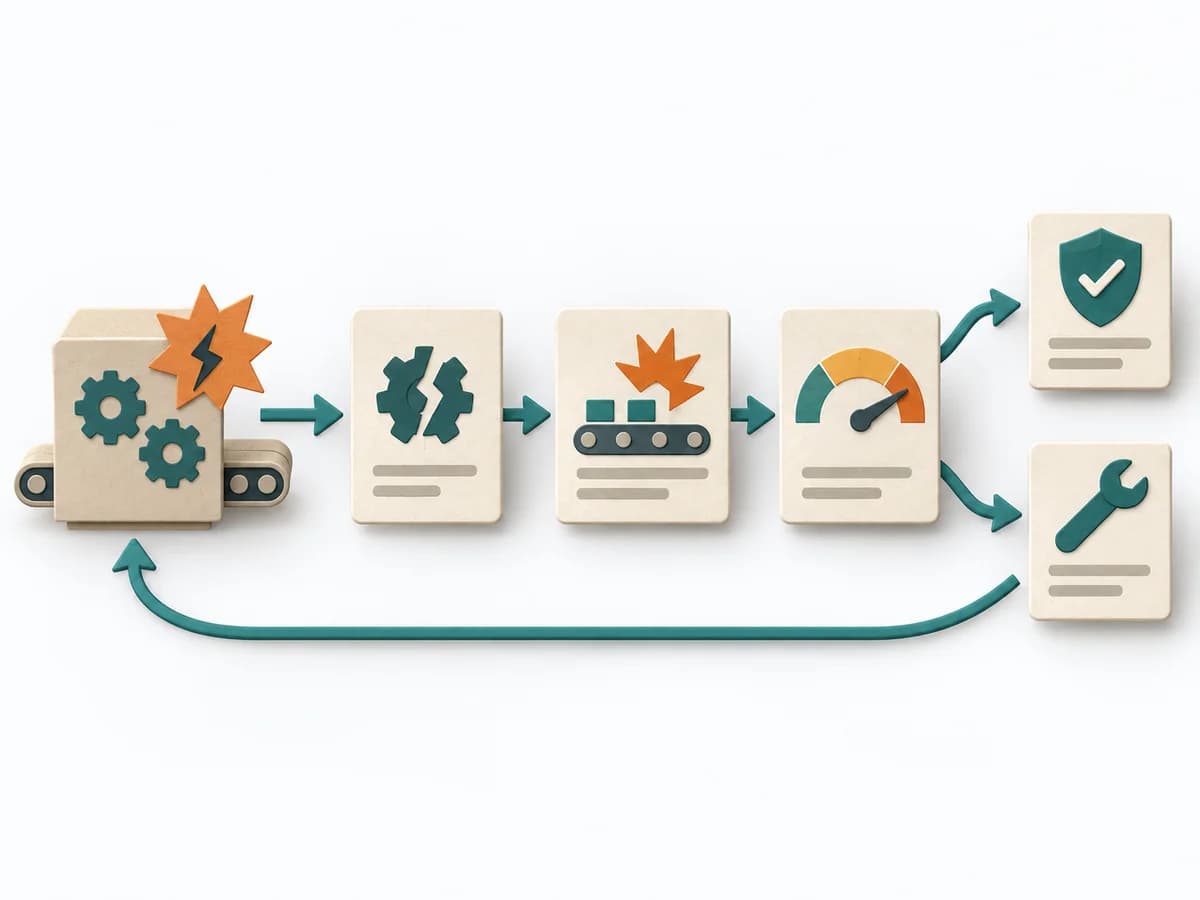 Operations Failure Mode and Effects Analysis | 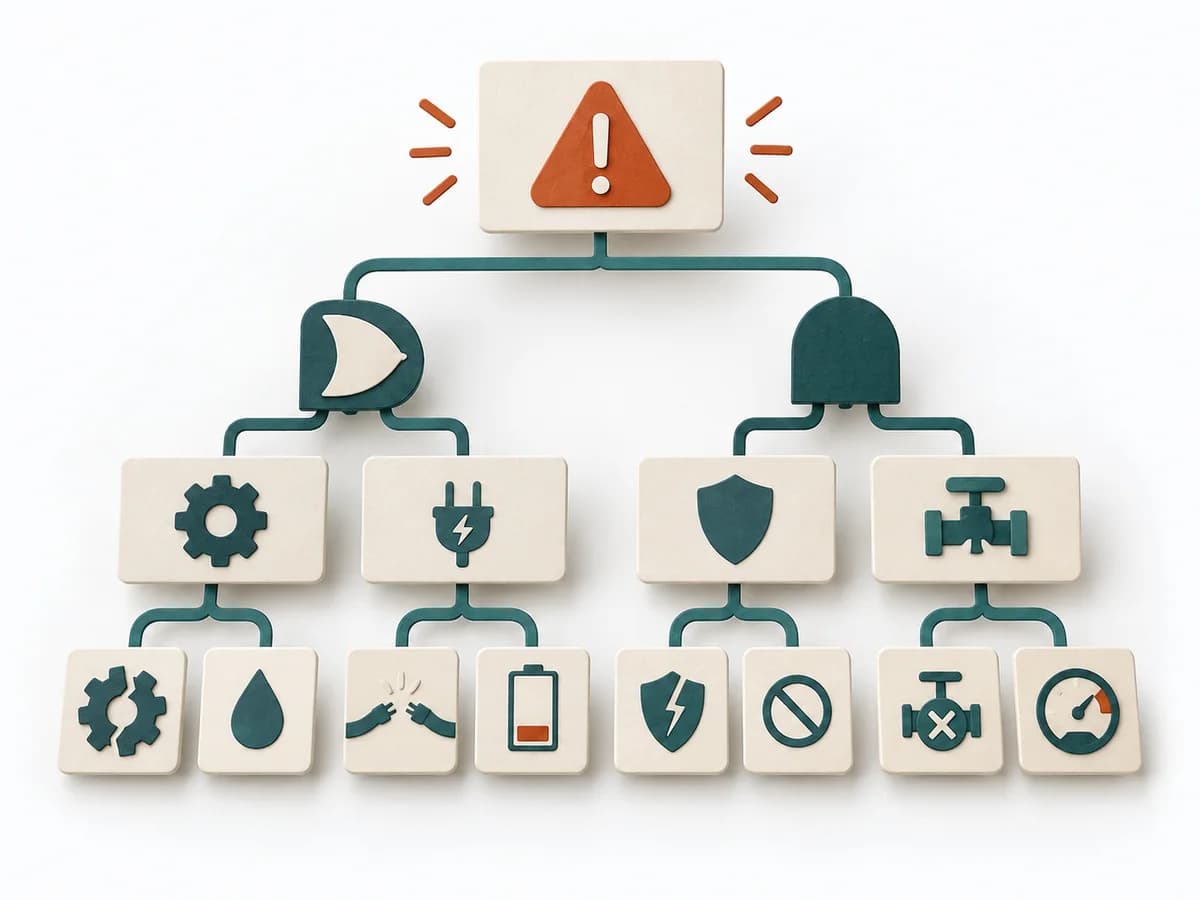 Operations Fault Tree Analysis |
|---|---|---|---|---|
Purposedifferent | With many similar objects of differing economic significance, the method prioritizes effort by effect. It separates what needs regular steering from what rarely needs attention. | When work processes are known only from accounts and the real context stays hidden, Contextual Inquiry makes behavior at the workplace visible. Observation and follow-up questions together show how people actually work, get interrupted, and improvise. | For a process, product, or service with noticeable failure risks, the method assesses possible failure modes in advance. It directs attention to combinations of occurrence, effect, and detectability. | For a critical top event with several possible triggers, the method logically models failure paths. It makes visible which combinations of conditions can lead to damage. |
Complexitydifferent | Low | Medium | High | High |
Timedifferent | 30-60 min | 1-3 Wochen | 2-6 h | 2-6 h |
Participantsdifferent | 1-5 | 4-12 Beobachtungen | 3-10 | 3-8 |
Formatdifferent | Async | Workshop + async | Workshop | Workshop + async |
Outputdifferent | ABC Classification, Focus Rules, Control List | Field Notes, Workflow Insights, Pain Points | FMEA Table, Risk Priority, Mitigation Actions | Fault Tree, Critical Paths, Cause Hypotheses, Control Actions |
Tagsno overlap | PrioritizationOperationsPortfolio | UX researchObservationContext | RiskQualityOperationsRoot cause | RiskRoot causeSafety |