View methods side by side.
Choose up to four methods. Add them using the search and share the comparison by copying its link.
| Criterion | 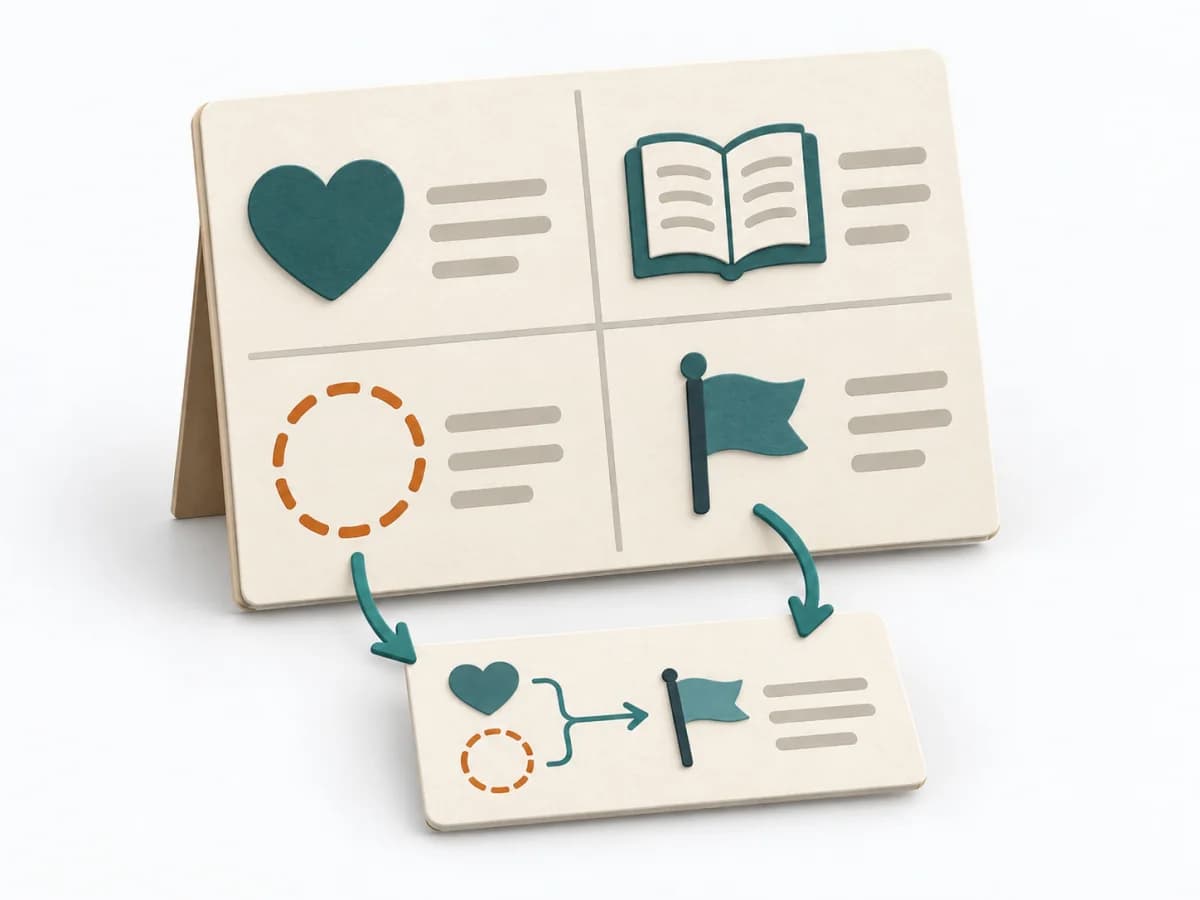 Agile 4Ls Retrospective | 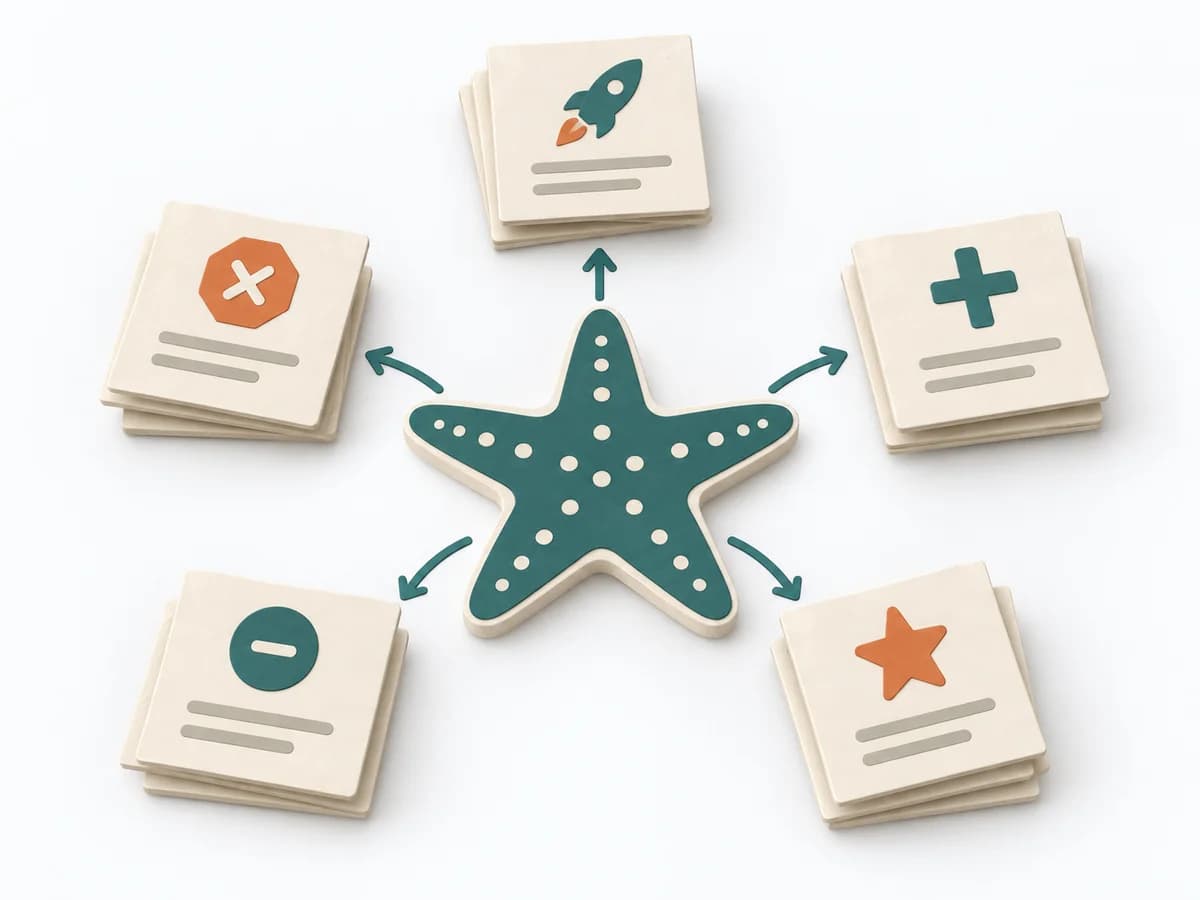 Agile Starfish Retrospective | 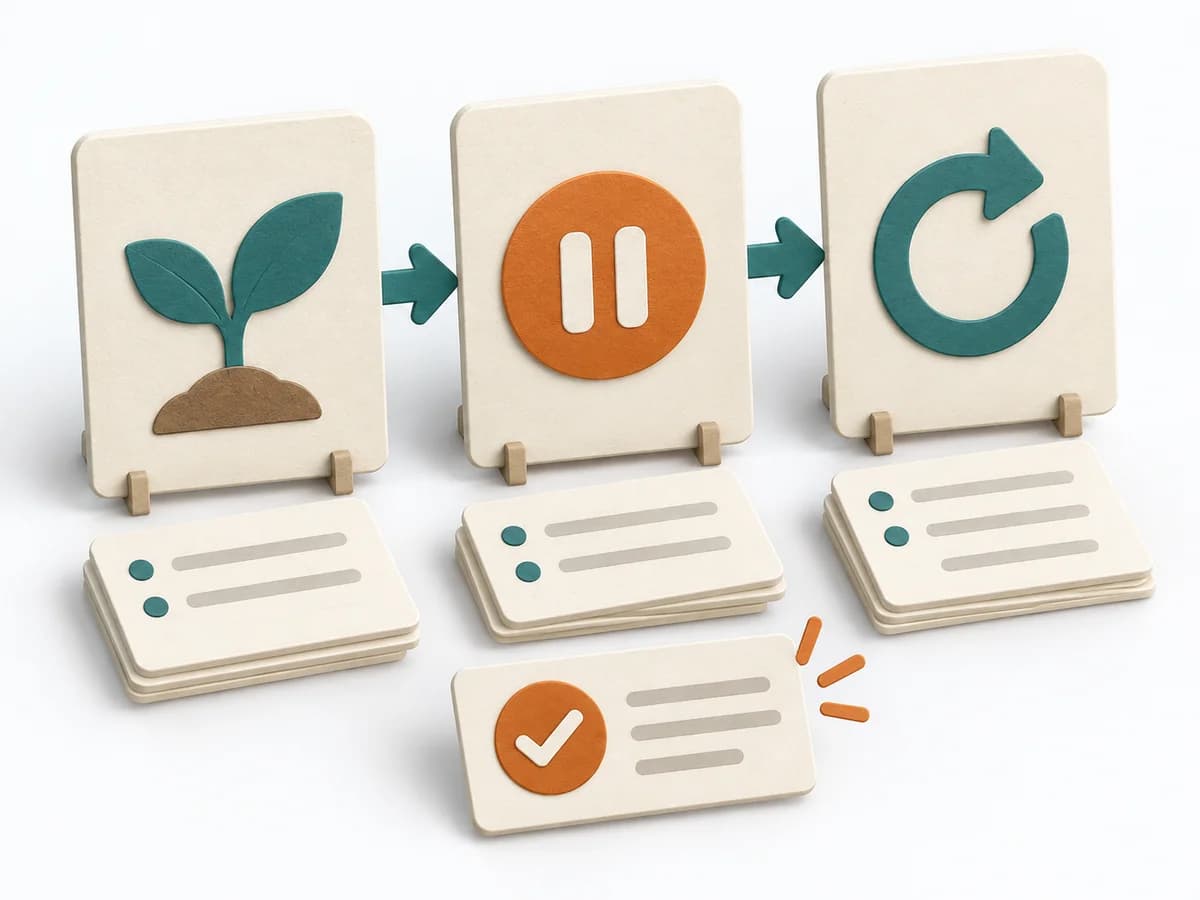 Agile Start Stop Continue | 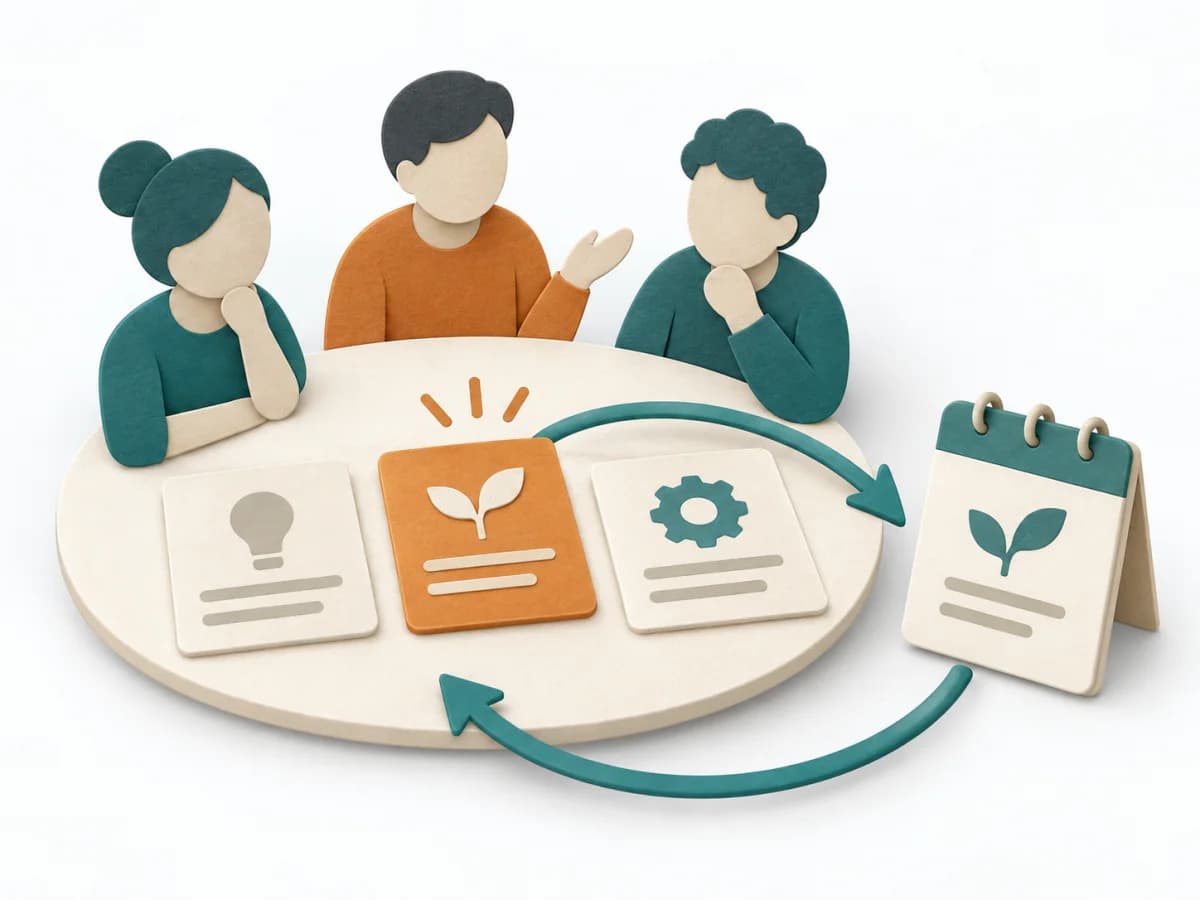 Agile Sprint Retrospective |
|---|---|---|---|---|
Purposedifferent | When a sprint should not only be assessed but also learned from, it captures experience in clear learning categories. It records what worked, what's missing, and what should run differently next time. | When improvement options need to be sorted more finely than just start and stop, it brings observations into clear kinds of action. This makes visible what should be done more, less, newly, or continued. | When a team wants to deliberately adjust its working behavior, it makes habits visible and assessable. It focuses on concrete changes instead of diffuse mood. | When a sprint is over and friction shouldn't simply be carried forward, it opens the view onto collaboration and patterns. It creates space to see causes and changes together. |
Complexitysame | Low | Low | Low | Low |
Timedifferent | 45–75 min | 45-90 min | 30-60 min | Up to 3 hours for a one-month Sprint; shorter Sprints are usually shorter |
Participantsdifferent | Team members involved | 4-12 | 3-12 | Scrum Team |
Formatsame | Workshop | Workshop | Workshop | Workshop |
Outputdifferent | 4Ls Board, Learning Themes, Improvement Actions | Starfish Board, Practice Changes, Experiments | Start Stop Continue Board, Improvement Actions | Improvement actions, Team agreements |
Tags1 shared | RetrospectiveLearningReflectionTeam | RetrospectiveImprovementExperimentsTeam | RetrospectiveImprovementTeamReflection | RetrospectiveImprovementLearning |