View methods side by side.
Choose up to four methods. Add them using the search and share the comparison by copying its link.
| Criterion |  Agile 4Ls Retrospective |  DevOps Blameless Postmortem | 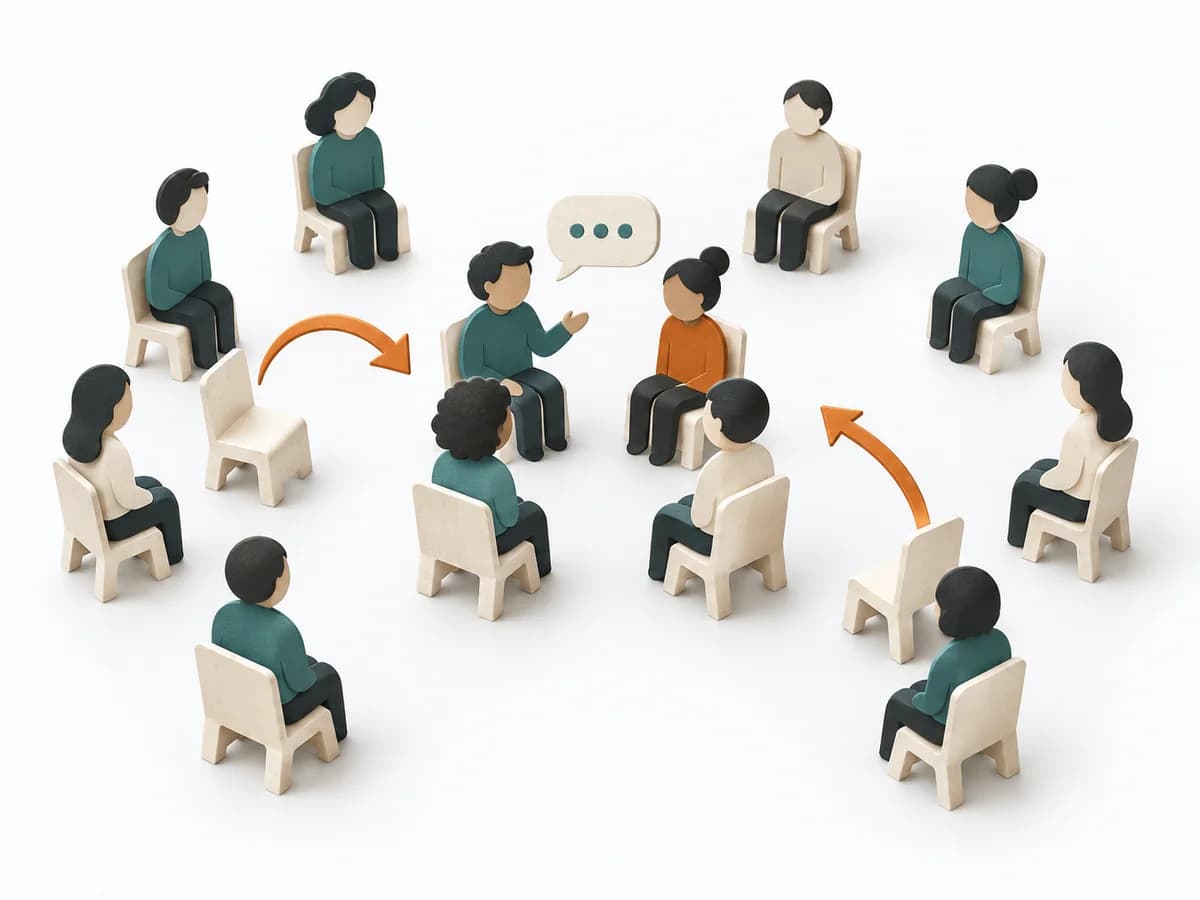 Facilitation Fishbowl Discussion | 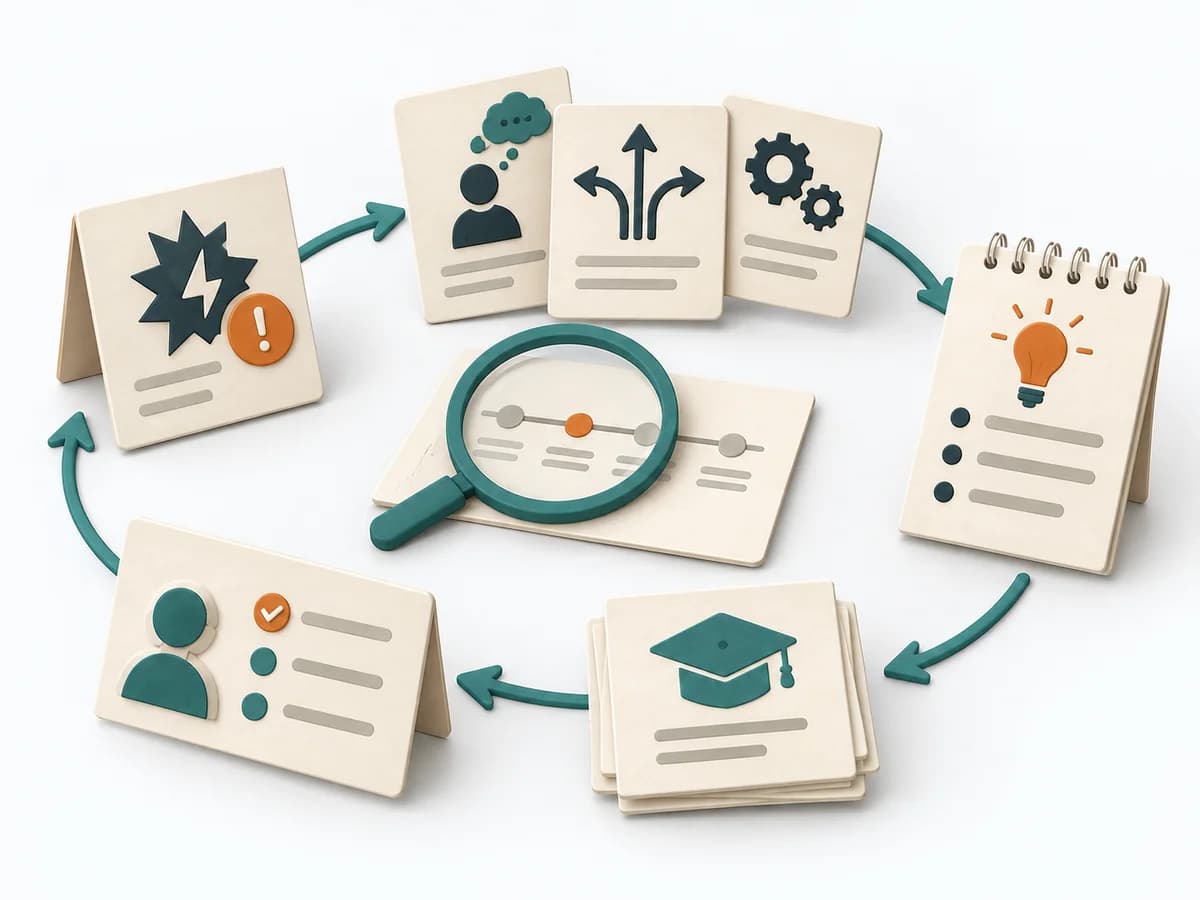 Operations Learning Review |
|---|---|---|---|---|
Purposedifferent | When a sprint should not only be assessed but also learned from, it captures experience in clear learning categories. It records what worked, what's missing, and what should run differently next time. | After an incident with damage or a near miss, the method creates a sober field for learning without assigning blame. It directs attention to the course of events, conditions, and effective countermeasures. | When a controversial topic needs depth and discipline at the same time, Fishbowl Discussion makes the structure of the conversation transparent. The format keeps the core small enough for real dialogue and open enough for controlled turnover. | After a project phase with mixed results, the method makes learning from the individual case reusable. It connects events, decisions, and systemic conditions into robust insights. |
Complexitydifferent | Low | Medium | Medium | Medium |
Timedifferent | 45–75 min | 30-90 min | 45-90 min | 1-3 h |
Participantsdifferent | Team members involved | 3-12 | 8-80 | 3-10 |
Formatdifferent | Workshop | Workshop + async | Workshop | Workshop |
Outputdifferent | 4Ls Board, Learning Themes, Improvement Actions | Postmortem Doc, Action Items, Timeline | Discussion Insights, Observed Tensions, Follow-up Questions | Learning Review Notes, System Factors, Improvement Actions |
Tagsno overlap | RetrospectiveLearningReflectionTeam | Site Reliability EngineeringIncidentLearningReliability | FacilitationDialogueLarge group | LearningRetrospectiveIncidentOperations |