Plan my session
Plan a concrete work block with agenda, roles, preparation, and a copyable result artifact.
Session: ABC Analysis
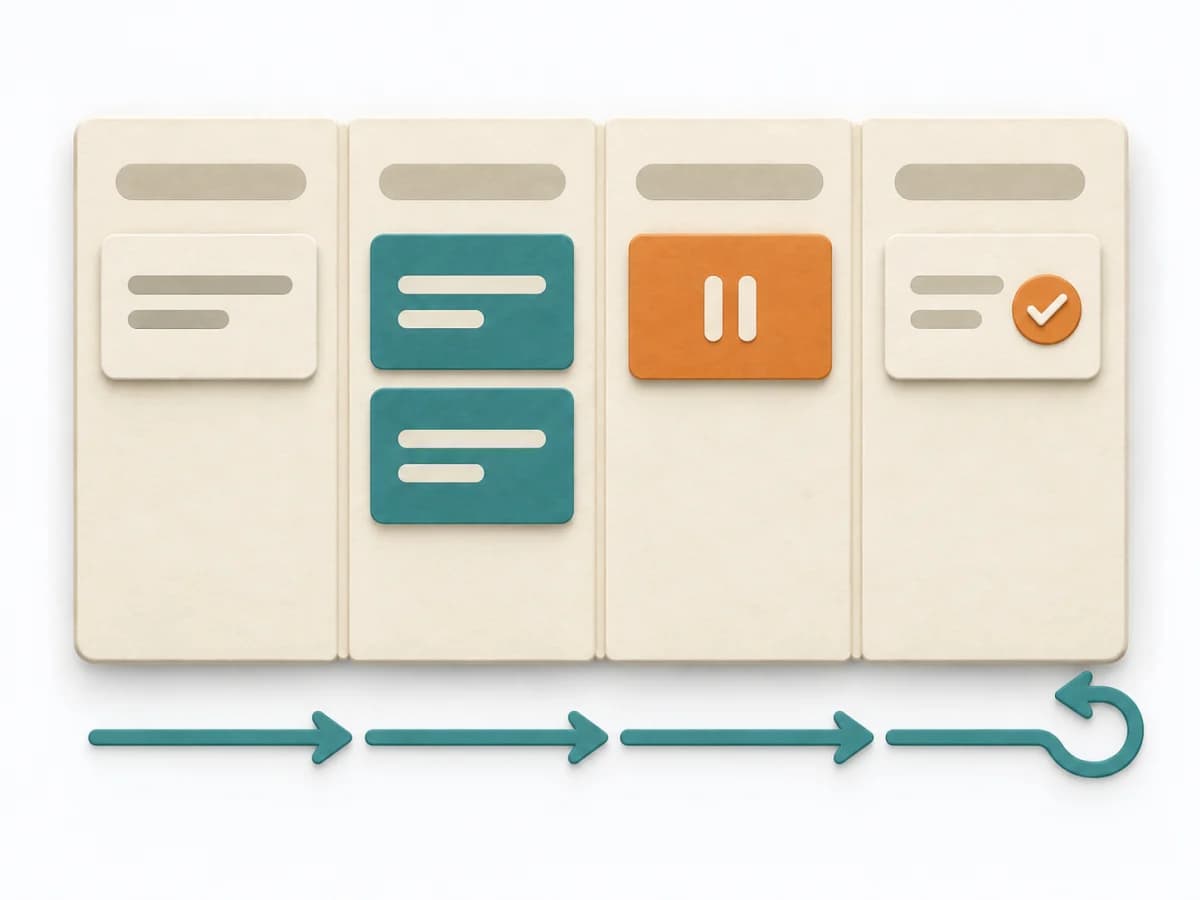
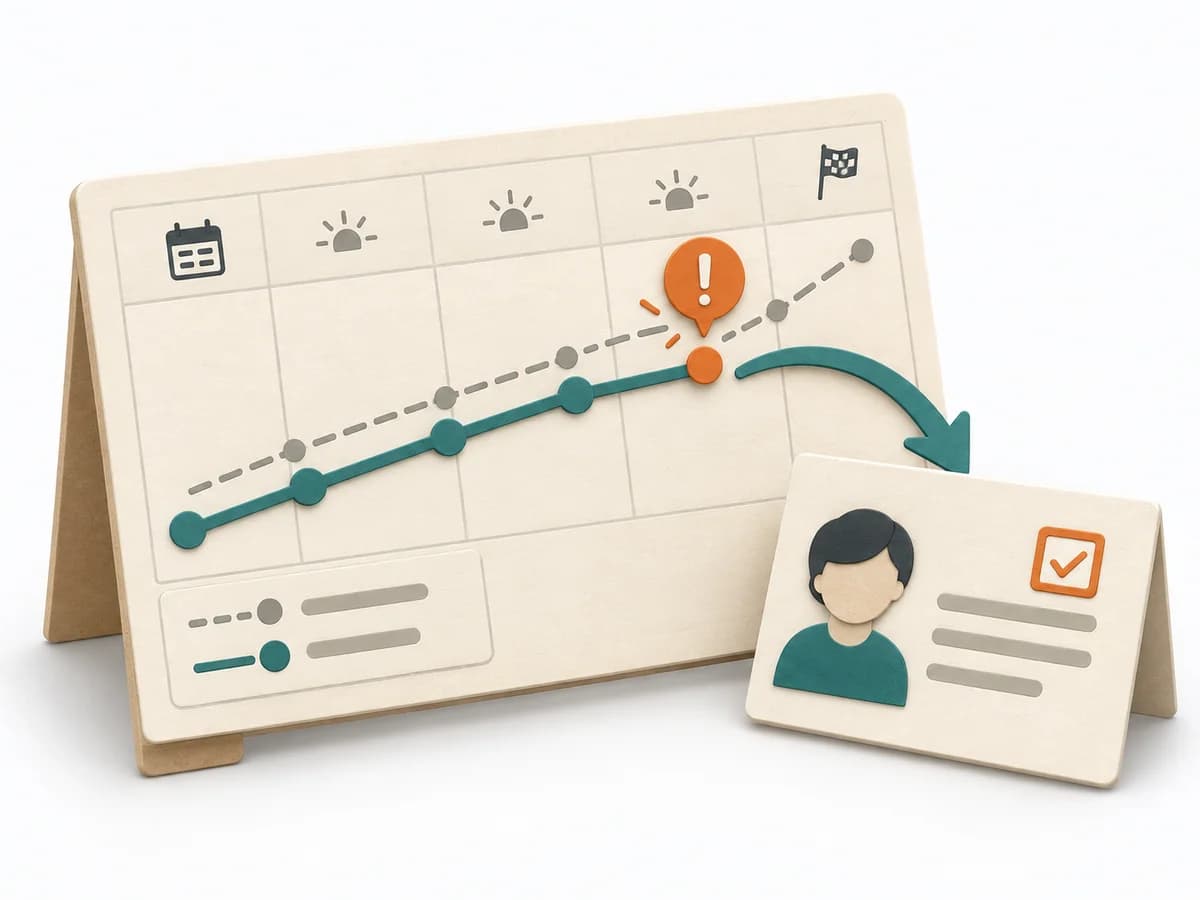
The plan distributes preparation, review, and outcome work across an asynchronous work run. Your inputs flow directly into the session brief and work artifact.
Async work run with 1-5. The plan uses the existing method logic and the runsheet.
RunsheetUse the session for shared understanding. Contributions are collected visibly, assumptions are aligned, and open differences remain traceable in the artifact.
The session works directly toward ABC Classification. After the session, the artifact should be shareable, reviewable, or reusable.
- 1
Prepare brief
15-30 minPrepare the working question, input, target artifact, and review deadline for ABC Analysis. Link relevant data, sources, and existing artifacts.
OwnerSession brief - 2
Work asynchronously
24 to 72 hParticipants work through the method along the template. Focus: add contributions directly to the artifact, mark assumptions, and link evidence.
ParticipantsABC Classification - 3
Consolidate review
20-30 minCluster comments, contradictions, and open questions. Sort unclear points into decisions, risks, or follow-ups.
FacilitatorReview notes - 4
Finalize artifact
15-30 minCreate the integrated version, set status, and schedule the next review or decision point.
OwnerFocus Rules - 5
Publish artifact
10 minCheck the artifact for completeness, define location, set version or status, and name review recipients.
OwnerABC Classification
Session Brief
For invitations, boards, tickets, PR descriptions, or workshop notes.
session-brief.md
Session Brief: ABC Analysis
Goal
Artifact: ABC Classification
Working Question
Which items belong in A, B, and C, and which treatment rule follows from each class?
Context
Classification objective (inventory management, procurement, customer prioritization); standard thresholds in the company (for example 80/15/5); special groups that must never be reduced.
Setup
- Format: Async work run
- Duration: 24 to 72 h
- Mode: asynchronous
- Participants: One analyst who prepares the data; one domain owner per affected class (procurement, sales, or operations); one decision maker who approves the class consequences.
- Owner: One analyst who prepares the data
- Participation mode: Team round, shared work and alignment
- Outcome logic: Finish artifact
Participation Logic
Use the session for shared understanding. Contributions are collected visibly, assumptions are aligned, and open differences remain traceable in the artifact.
Outcome Logic
The session works directly toward ABC Classification. After the session, the artifact should be shareable, reviewable, or reusable.
Input
Spreadsheet with columns Item, Value, cumulative value, share, class; short policy for threshold definitions; diagram template for Lorenz curve or bar-line plot.
Preparation
Load the data into the spreadsheet, sort descending by value, and calculate the cumulative share. Store threshold values as constants at the top so reclassification remains traceable later.
Agenda
-
Prepare brief (15-30 min) Owner: Owner Action: Prepare the working question, input, target artifact, and review deadline for ABC Analysis. Link relevant data, sources, and existing artifacts. Output: Session brief
-
Work asynchronously (24 to 72 h) Owner: Participants Action: Participants work through the method along the template. Focus: add contributions directly to the artifact, mark assumptions, and link evidence. Output: ABC Classification
-
Consolidate review (20-30 min) Owner: Facilitator Action: Cluster comments, contradictions, and open questions. Sort unclear points into decisions, risks, or follow-ups. Output: Review notes
-
Finalize artifact (15-30 min) Owner: Owner Action: Create the integrated version, set status, and schedule the next review or decision point. Output: Focus Rules
-
Publish artifact (10 min) Owner: Owner Action: Check the artifact for completeness, define location, set version or status, and name review recipients. Output: ABC Classification
Closeout
- Update result artifact: ABC Classification
- Define location, version, and review recipients.
- Define owner, next step, and review date.
Work artifact
Pre-filled starting point based on the matching template.
work-artifact.md
ABC Classification: ABC Analysis
Working Question
Which items belong in A, B, and C, and which treatment rule follows from each class?
Context
Classification objective (inventory management, procurement, customer prioritization); standard thresholds in the company (for example 80/15/5); special groups that must never be reduced.
Participants
- Owner: One analyst who prepares the data
- Participants: One analyst who prepares the data; one domain owner per affected class (procurement, sales, or operations); one decision maker who approves the class consequences.
Input
Spreadsheet with columns Item, Value, cumulative value, share, class; short policy for threshold definitions; diagram template for Lorenz curve or bar-line plot.
Template
ABC Analysis Working Template
Goal
Classifies items by importance or value into A, B, and C classes.
Context
When and for what do we use this method?
Input
Which data, observations, decisions, or materials are available?
Execution
Short notes along the runsheet.
Output artifacts
- ABC Classification:
- Focus Rules:
- Control List:
Assumptions and open questions
- ...
Decision / Next step
Owner, date, and success signal.
Completion Check
- ABC Classification is complete enough for review:
- Location:
- Version / status:
- Review by:
- Next step:
Next Step
- Review result
- Mark open questions
- Schedule review or decision
ABC Analysis Working Template
View templateCompact working template for ABC Analysis with context, input, output artifacts, and next step.markdown
abc-analysis-working-template.md
Compact working template for ABC Analysis with context, input, output artifacts, and next step.
ABC Analysis Working Template
Goal
Classifies items by importance or value into A, B, and C classes.
Context
When and for what do we use this method?
Input
Which data, observations, decisions, or materials are available?
Execution
Short notes along the runsheet.
Output artifacts
- ABC Classification:
- Focus Rules:
- Control List:
Assumptions and open questions
- ...
Decision / Next step
Owner, date, and success signal.
- Working question, owner, and target artifact are visible.
- The result fits ABC Classification.
- Create a new version per classification period with date, data status, and thresholds. Show class changes per item separately between versions and keep old versions.
- Open questions are noted as follow-ups.
- The next review or decision point is scheduled.