View methods side by side.
Choose up to four methods. Add them using the search and share the comparison by copying its link.
| Criterion | 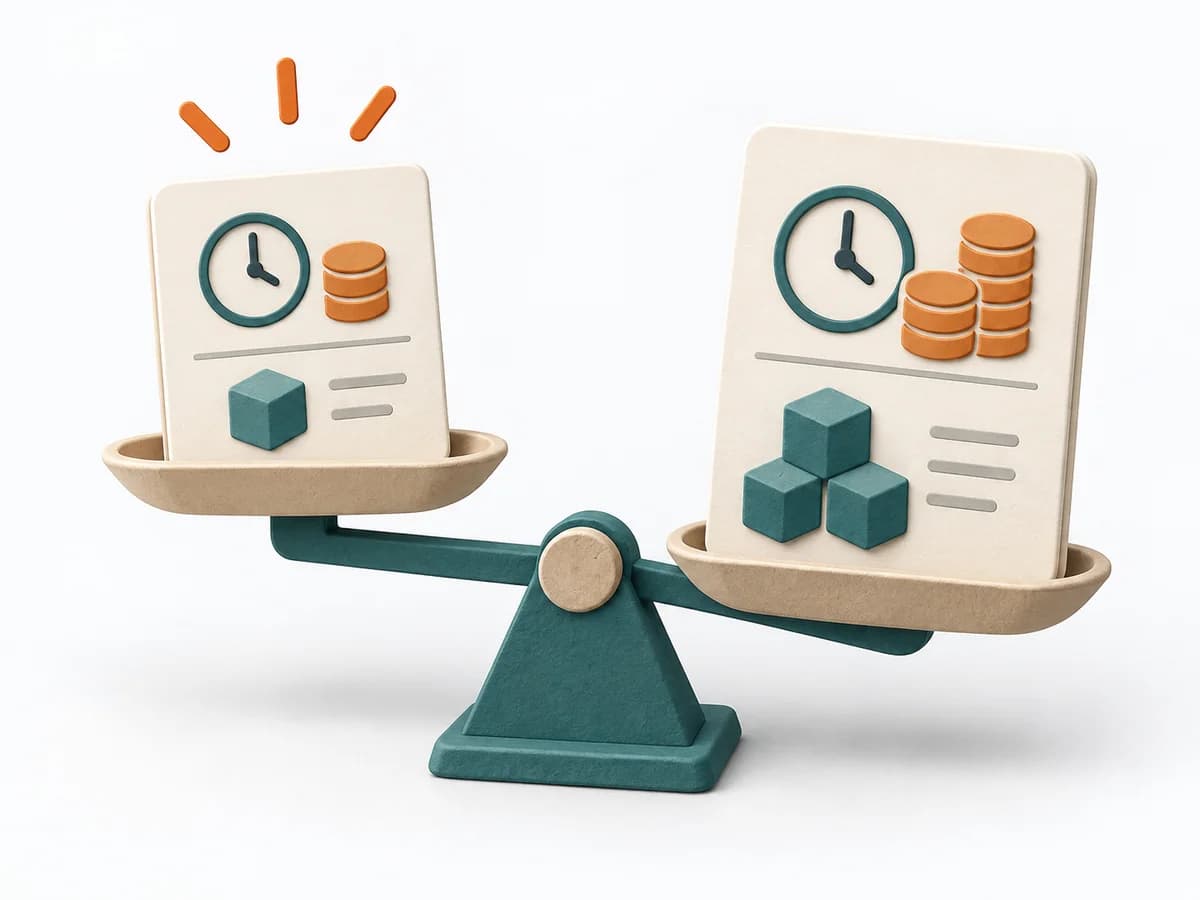 Agile WSJF |  Knowledge Modeling IBIS | 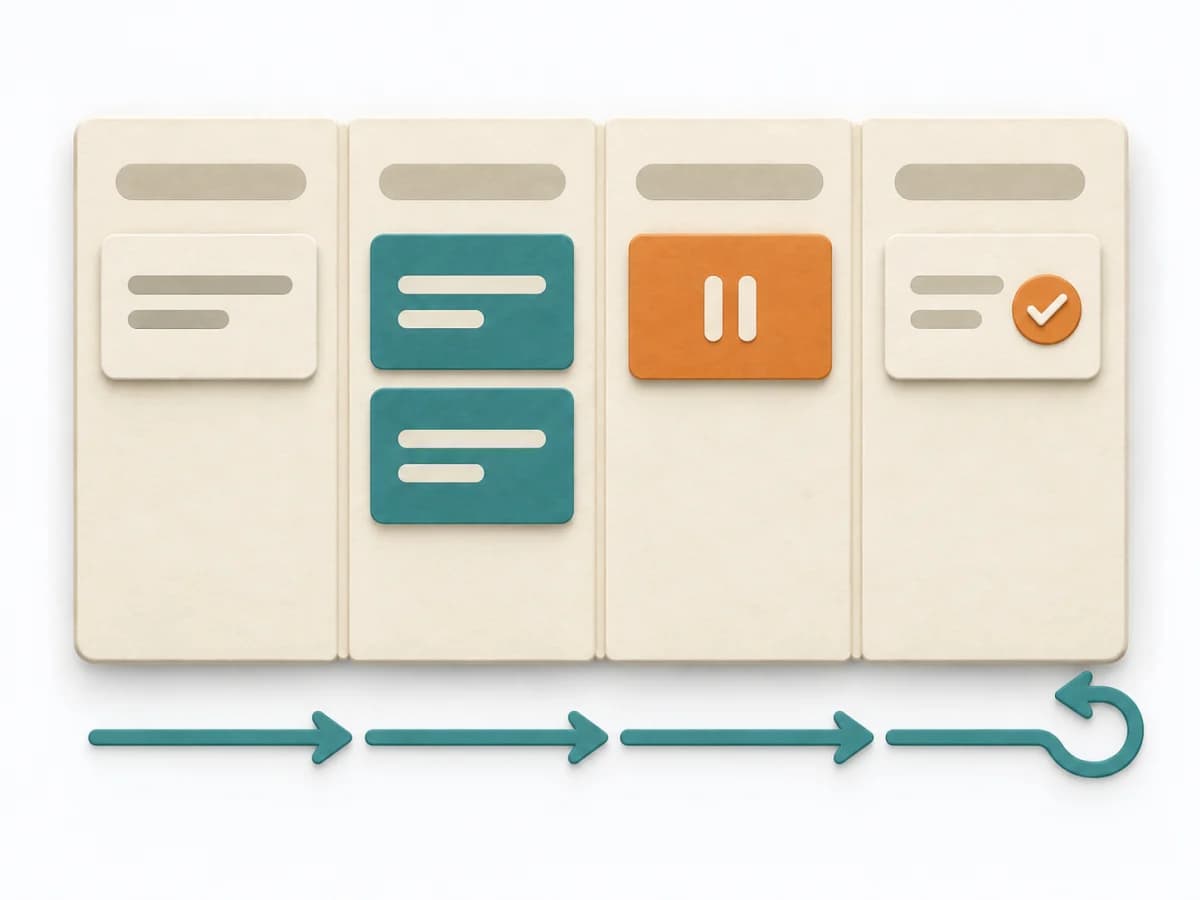 Engineering Kanban | 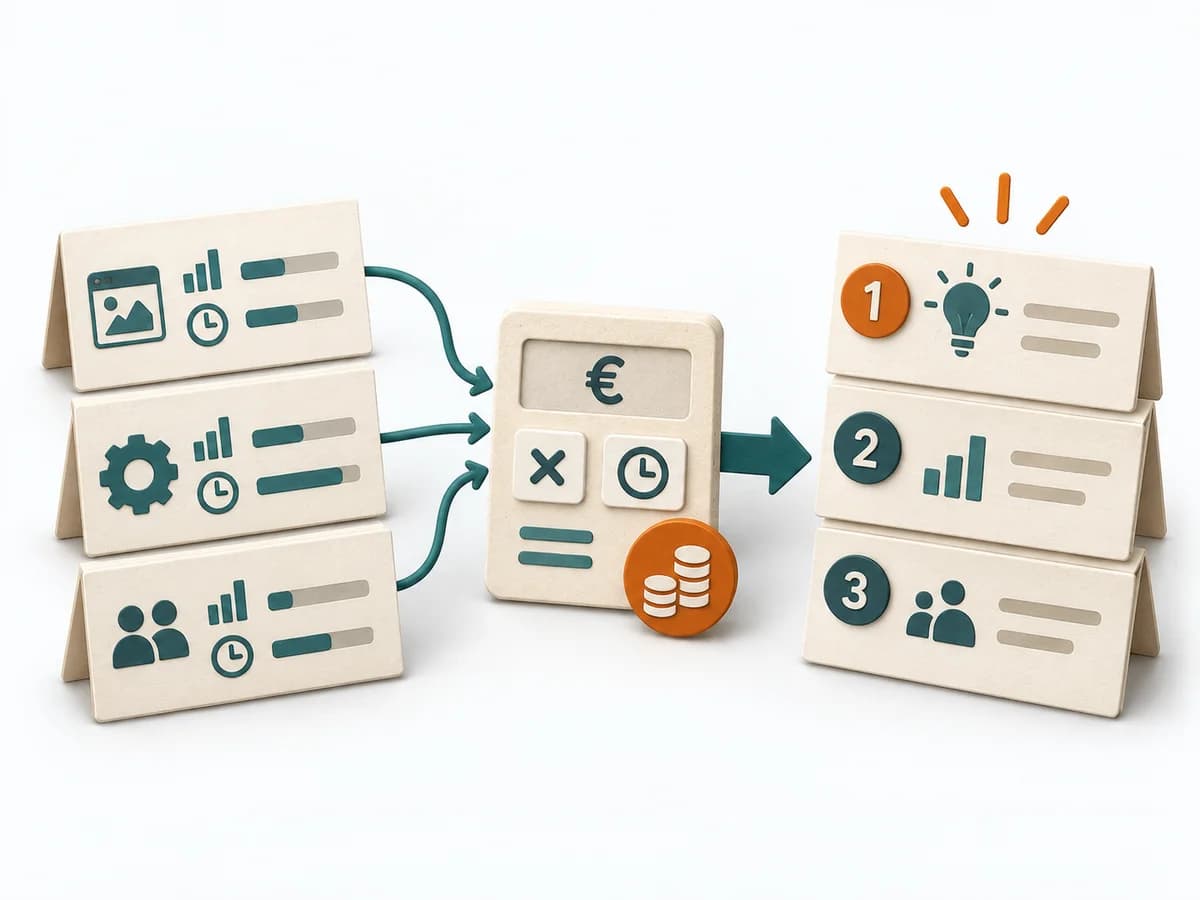 Delivery Cost of Delay |
|---|---|---|---|---|
Purposedifferent | When many tasks compete for the same capacity, it orders work by economic impact. It makes time lost, benefit, and effort comparable together. | IBIS structures thinking about complex questions as a sequence of issues, ideas, and arguments. The method keeps discussions open without forcing them into premature consensus. | When work sits in too many parallel streams, throughput suffers and no one sees the bottlenecks. Kanban makes the flow of work visible and limits overload so a system becomes calmer and more predictable. | Helps clarify scope, order, and delivery flow in concrete terms. It makes work, constraints, and sequence manageable. The result is captured as a Cost of Delay table and prioritization sequence. |
Complexitydifferent | High | Medium | Medium | High |
Timedifferent | 45-90 min | 1-3 h | Ongoing | 90-180 min |
Participantsdifferent | 3-10 | 2-8 | 2-12 | 3-8 |
Formatdifferent | Workshop | Workshop + async | Workshop + async | Workshop |
Outputdifferent | Ranked Backlog, Cost-of-Delay Assumptions | Issue Map, Positions, Argument Notes | Kanban board, WIP policies, Flow metrics | CoD Table, Prioritization Sequence |
Tagsno overlap | LeanEconomicsSequencePrioritization | RationaleKnowledgeDecision | FlowVisual managementDelivery | PrioritizationDeliveryEconomicsDecision |