View methods side by side.
Choose up to four methods. Add them using the search and share the comparison by copying its link.
| Criterion |  Agile WSJF | 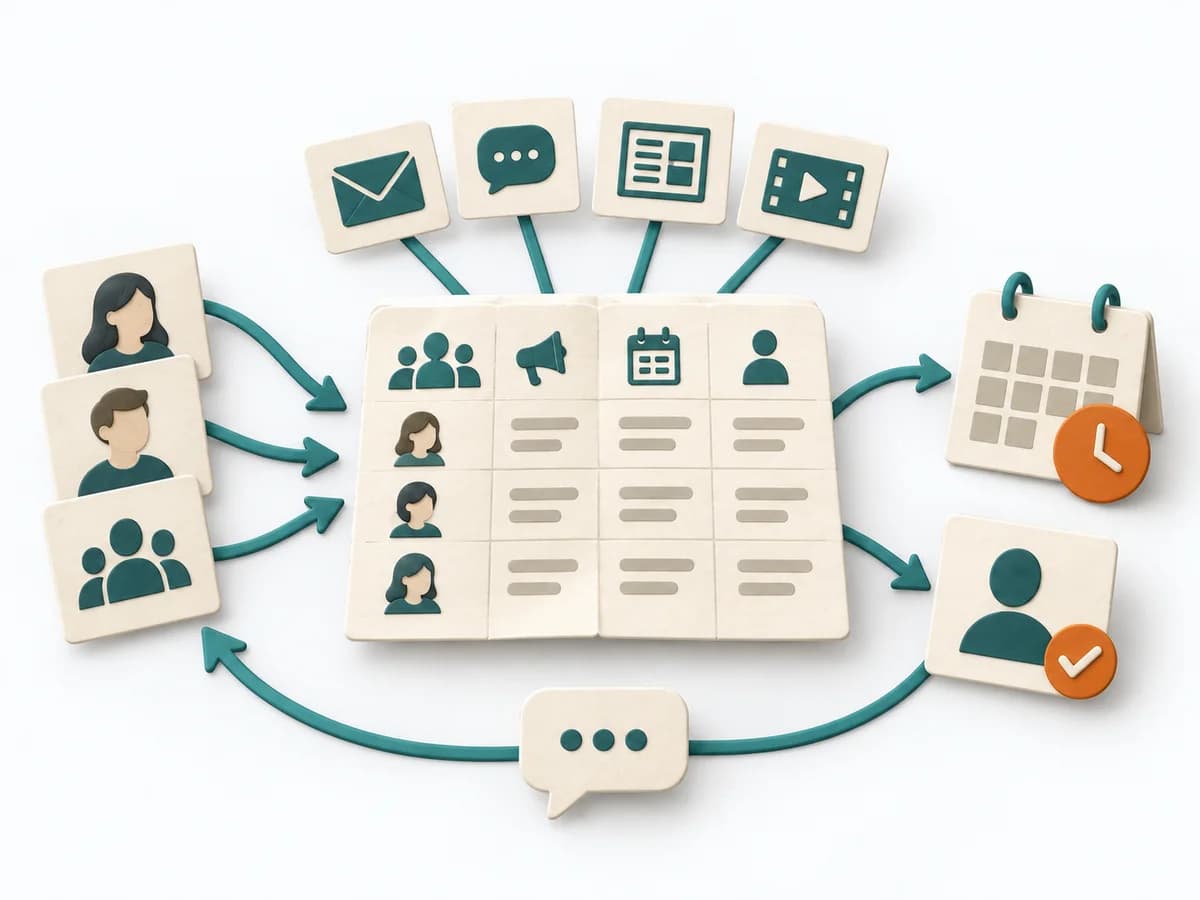 Delivery Communication Plan |  Architecture ATAM (Architecture Tradeoff Analysis Method) | 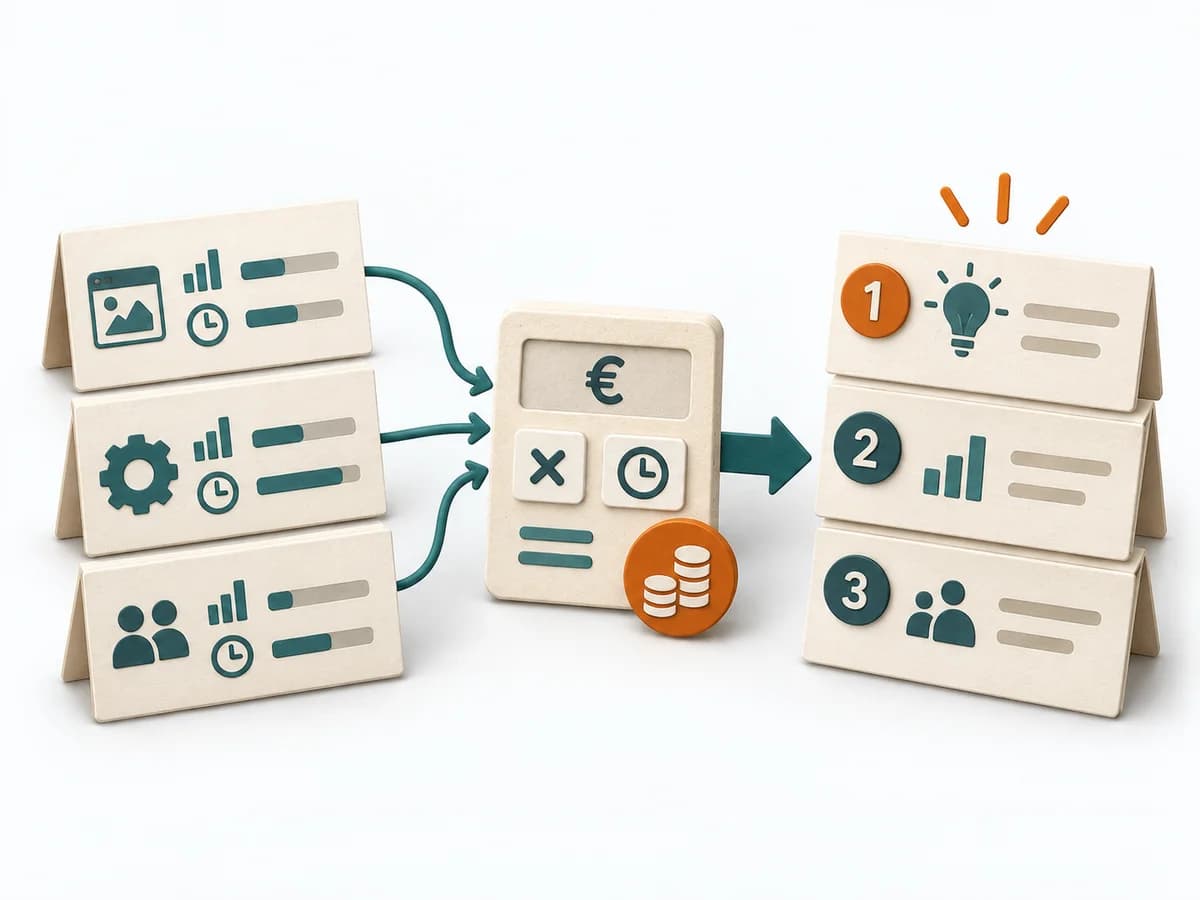 Delivery Cost of Delay |
|---|---|---|---|---|
Purposedifferent | When many tasks compete for the same capacity, it orders work by economic impact. It makes time lost, benefit, and effort comparable together. | When many people need to be informed in parallel and messages would otherwise arrive unevenly or too late, a Communication Plan orders communication reliably. Channels, audiences, and cadences interlock so important information doesn't get lost. | ATAM helps teams weigh architecture decisions when quality goals compete. The team considers business goals, stakeholder expectations, and technical decisions together. The evaluation shows which risks need further investigation. | Helps clarify scope, order, and delivery flow in concrete terms. It makes work, constraints, and sequence manageable. The result is captured as a Cost of Delay table and prioritization sequence. |
Complexitydifferent | High | Low | High | High |
Timedifferent | 45-90 min | 45-90 min | Several meetings plus preparation and analysis; total effort depends on scope | 90-180 min |
Participantsdifferent | 3-10 | 2-6 | Evaluation team, architects, and relevant stakeholders | 3-8 |
Formatdifferent | Workshop | Workshop + async | Workshop + async | Workshop |
Outputdifferent | Ranked Backlog, Cost-of-Delay Assumptions | Communication Plan, Channel Matrix, Message Cadence | Prioritized quality scenarios in a utility tree, Architecture risks with reasoning and assumptions, Sensitivity and trade-off points, Findings report with open investigations | CoD Table, Prioritization Sequence |
Tagsno overlap | LeanEconomicsSequencePrioritization | CommunicationStakeholdersDeliveryPlanning | ArchitectureQualityRiskTradeoffsStakeholders | PrioritizationDeliveryEconomicsDecision |