View methods side by side.
Choose up to four methods. Add them using the search and share the comparison by copying its link.
| Criterion | 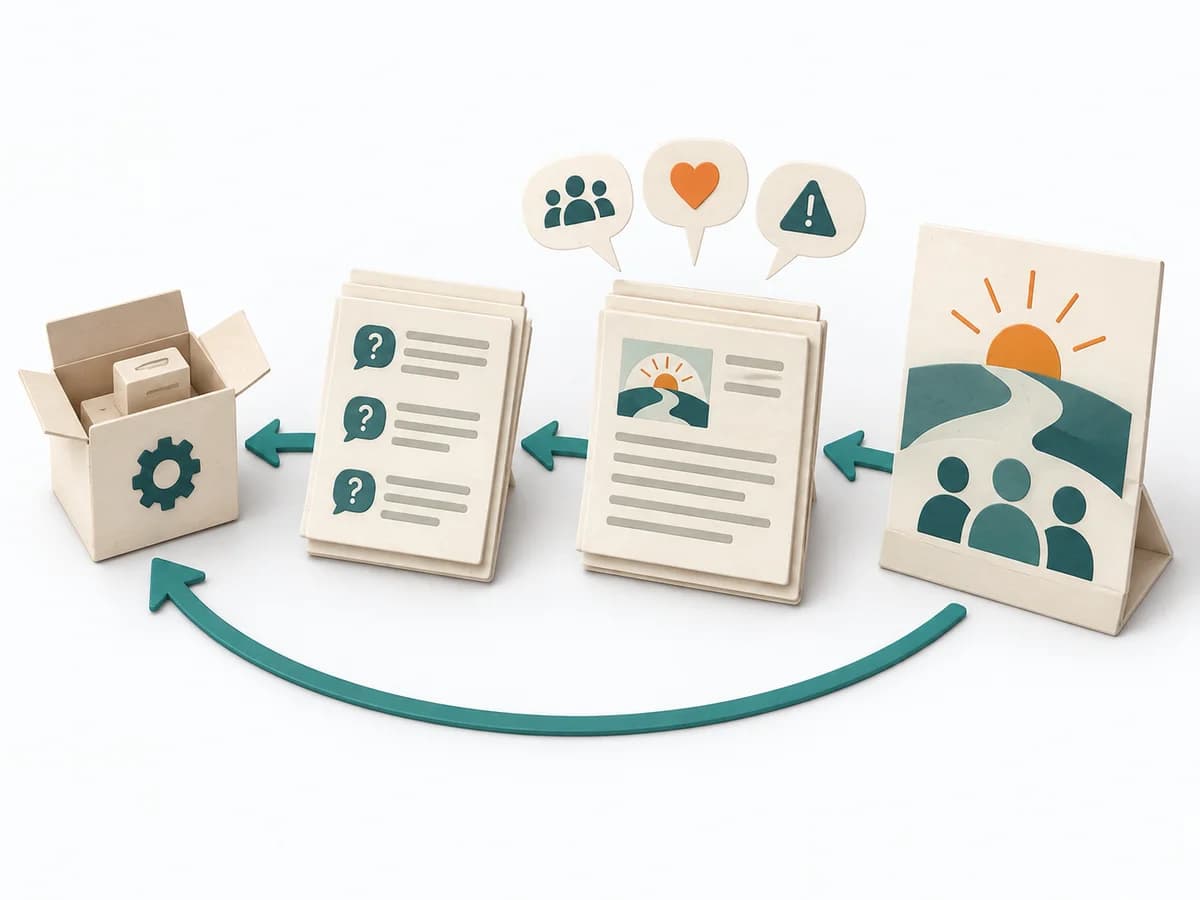 Product Discovery Working Backwards | 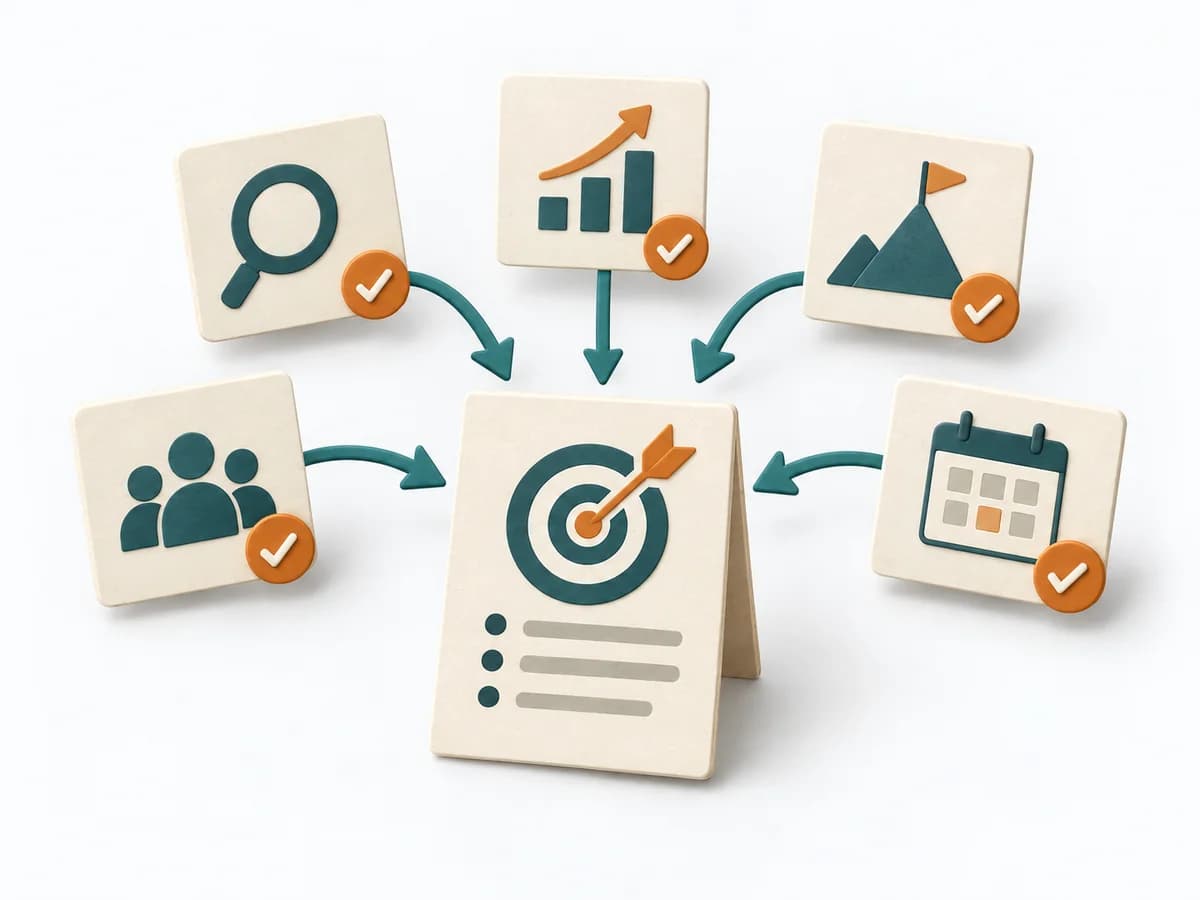 Product Strategy SMART Goals |  Facilitation Stakeholder Salience Model |  Facilitation Alignment Mapping |
|---|---|---|---|---|
Purposedifferent | When the target state and benefit need to be clear first, it thinks backward from the desired outcome into the product logic. It sharpens vision, objections, and value proposition before elaboration. | When goals are formulated too generally, it brings measurability, direction, and timing into shape. It prevents intentions from staying without clear verification. | When stakeholders appear to matter very differently, the Stakeholder Salience Model rates their actual priority through power, legitimacy, and urgency. It turns individual contributions into a visible selection. The result is captured as a Salience diagram and a class-based strategy. | When several people work toward one goal but hold different mental maps, Alignment Mapping makes the discrepancies visible. It arranges goals, assumptions, and priorities so shared direction becomes verifiable. |
Complexitydifferent | Medium | Low | Medium | Medium |
Timedifferent | 4-8 h, mehrere Iterationen | 15-30 min | 60-90 min | 1-2 h |
Participantsdifferent | 2-6 | 1-8 | 3-6 | 4-12 |
Formatdifferent | Workshop + async | Workshop + async | Workshop | Workshop |
Outputdifferent | Future Press Release, FAQ, Vision Statement | SMART Goal, Measurement Note, Deadline | Salience Diagram, Strategy per Class | Alignment Map, Open Issues, Decision Questions |
Tags1 shared | VisionNarrativeAlignment | GoalsPlanningMeasurementAlignment | StakeholdersFacilitationAlignmentGovernance | AlignmentStakeholdersStrategyFacilitation |