View methods side by side.
Choose up to four methods. Add them using the search and share the comparison by copying its link.
| Criterion | 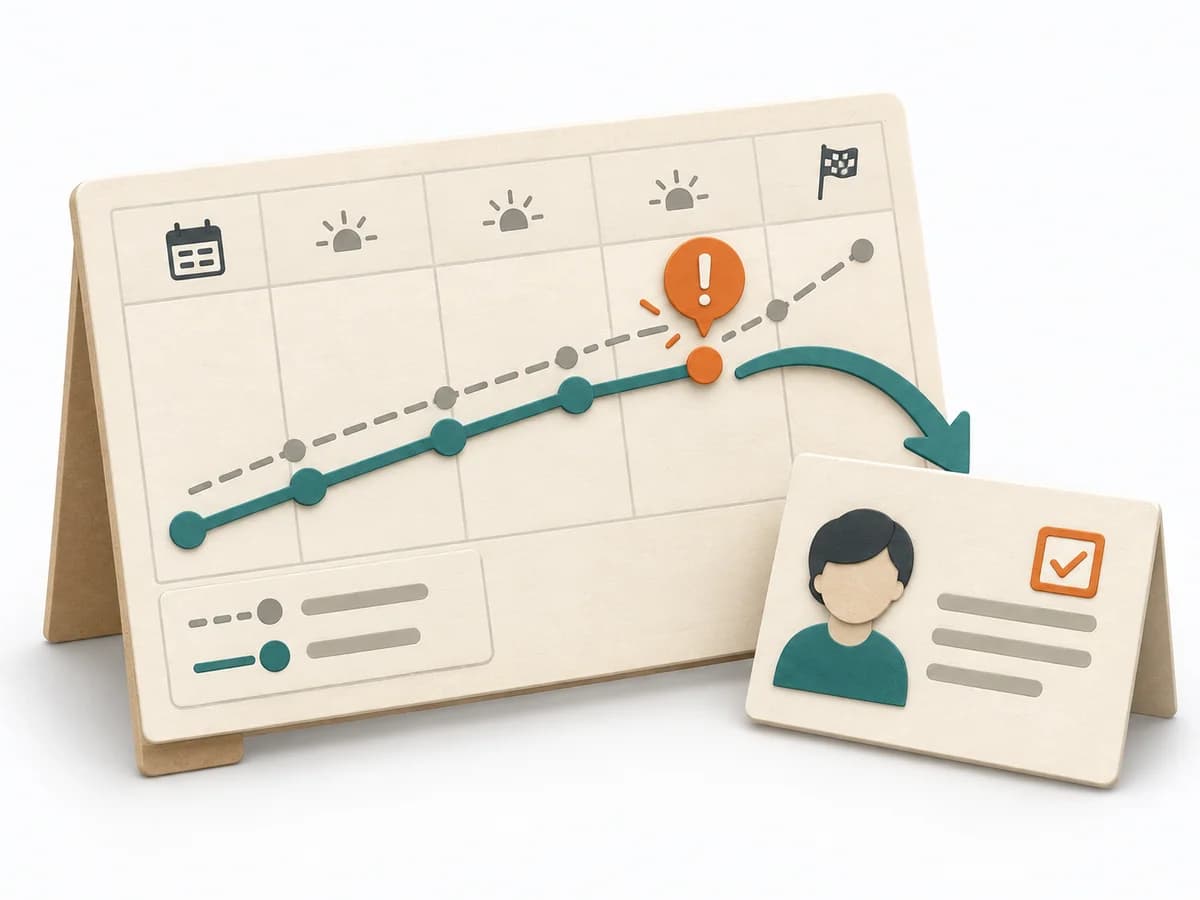 Operations Visual Management | 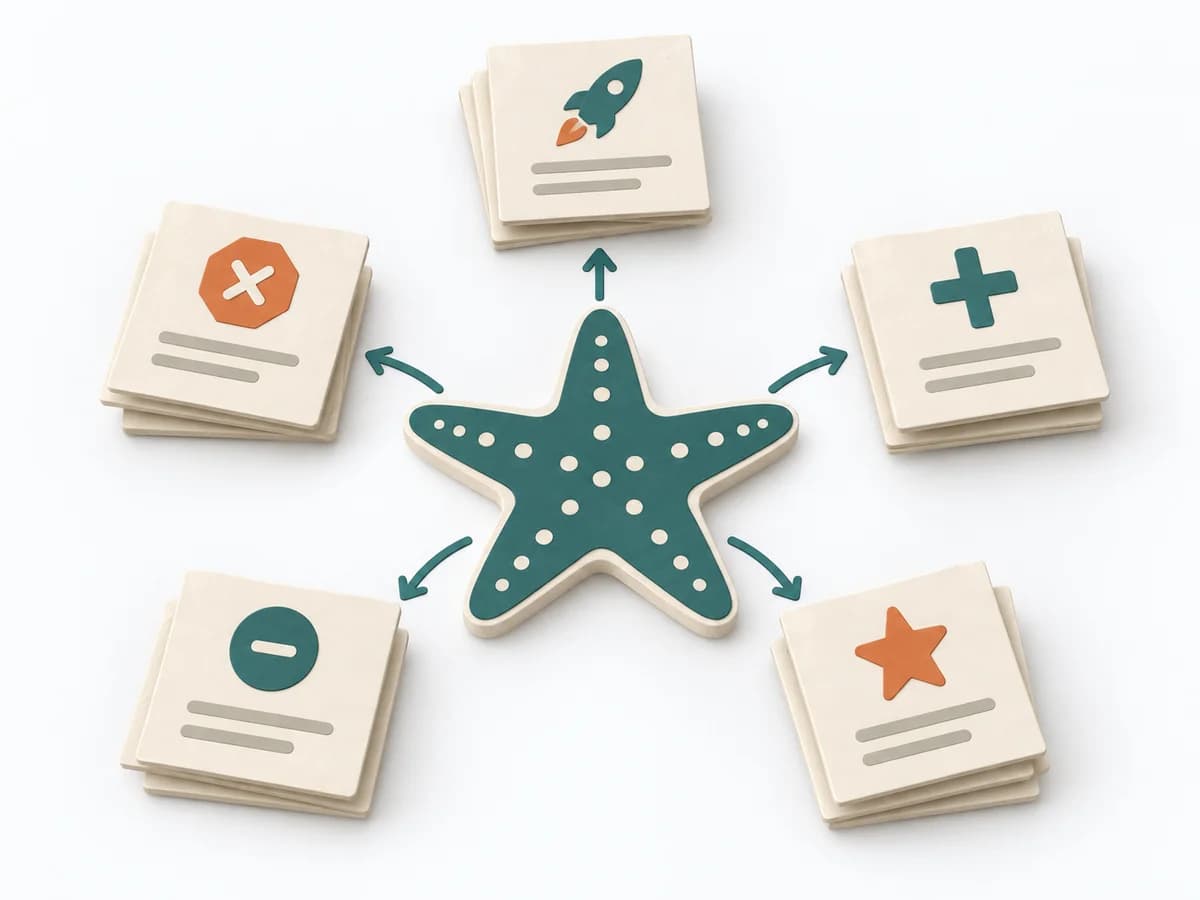 Agile Starfish Retrospective |  Operations PDCA Cycle | 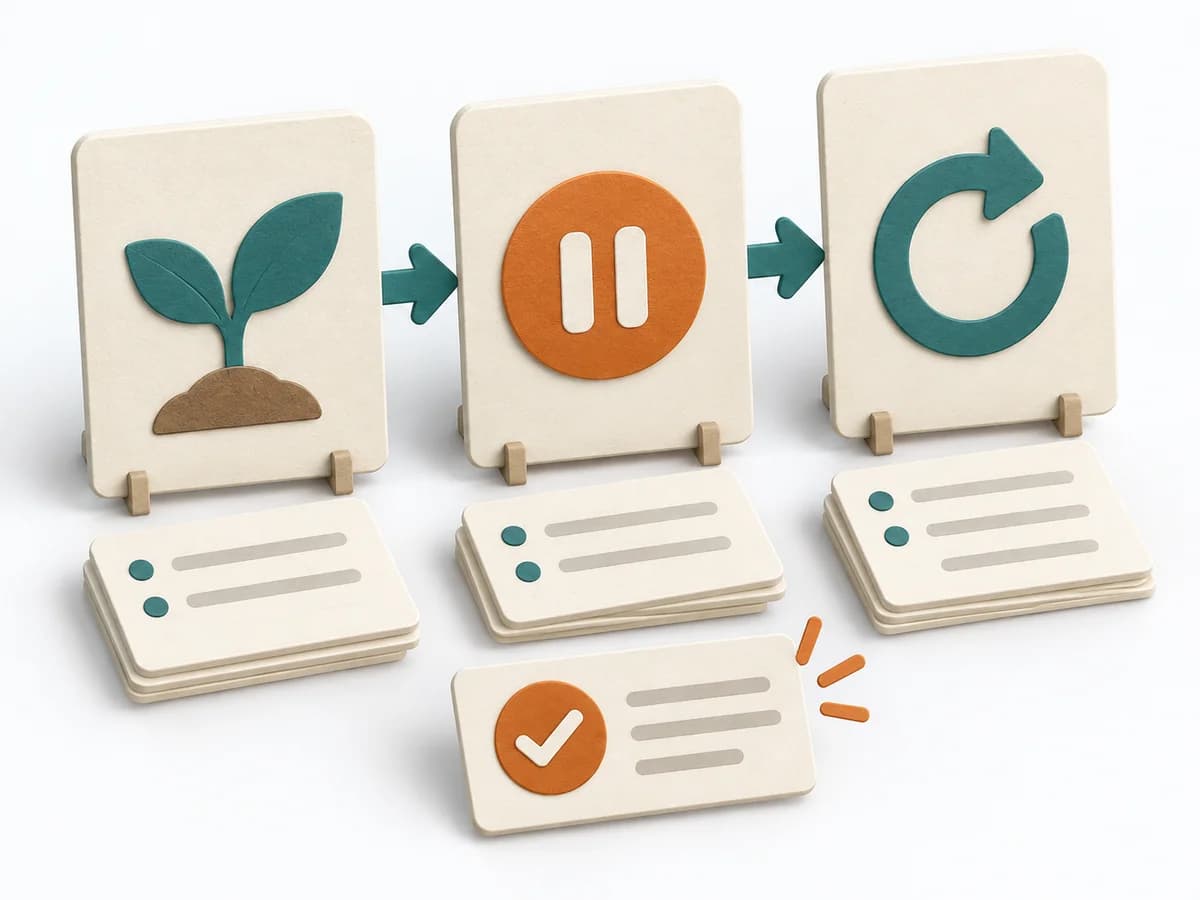 Agile Start Stop Continue |
|---|---|---|---|---|
Purposedifferent | With high tempo and many parallel topics, the method makes status, deviations, and priorities visible at a glance. It reduces search effort and prevents what matters from getting lost in daily work. | When improvement options need to be sorted more finely than just start and stop, it brings observations into clear kinds of action. This makes visible what should be done more, less, newly, or continued. | For an improvement that still has to prove itself in everyday work, the method runs it through small learning loops. It connects planning, checking, and standardization into a repeatable learning mode. | When a team wants to deliberately adjust its working behavior, it makes habits visible and assessable. It focuses on concrete changes instead of diffuse mood. |
Complexitysame | Low | Low | Low | Low |
Timedifferent | Ongoing | 45-90 min | 1 h bis mehrere Wochen | 30-60 min |
Participantsdifferent | 1-20 | 4-12 | 1-8 | 3-12 |
Formatdifferent | Workshop + async | Workshop | Workshop + async | Workshop |
Outputdifferent | Visual Board, Status Indicators, Exception Cues | Starfish Board, Practice Changes, Experiments | PDCA Log, Experiment Plan, Learning Outcome, Standard Change | Start Stop Continue Board, Improvement Actions |
Tagsno overlap | SignalsOperationsVisual management | RetrospectiveImprovementExperimentsTeam | Continuous improvementLeanExperiments | RetrospectiveImprovementTeamReflection |