View methods side by side.
Choose up to four methods. Add them using the search and share the comparison by copying its link.
| Criterion | 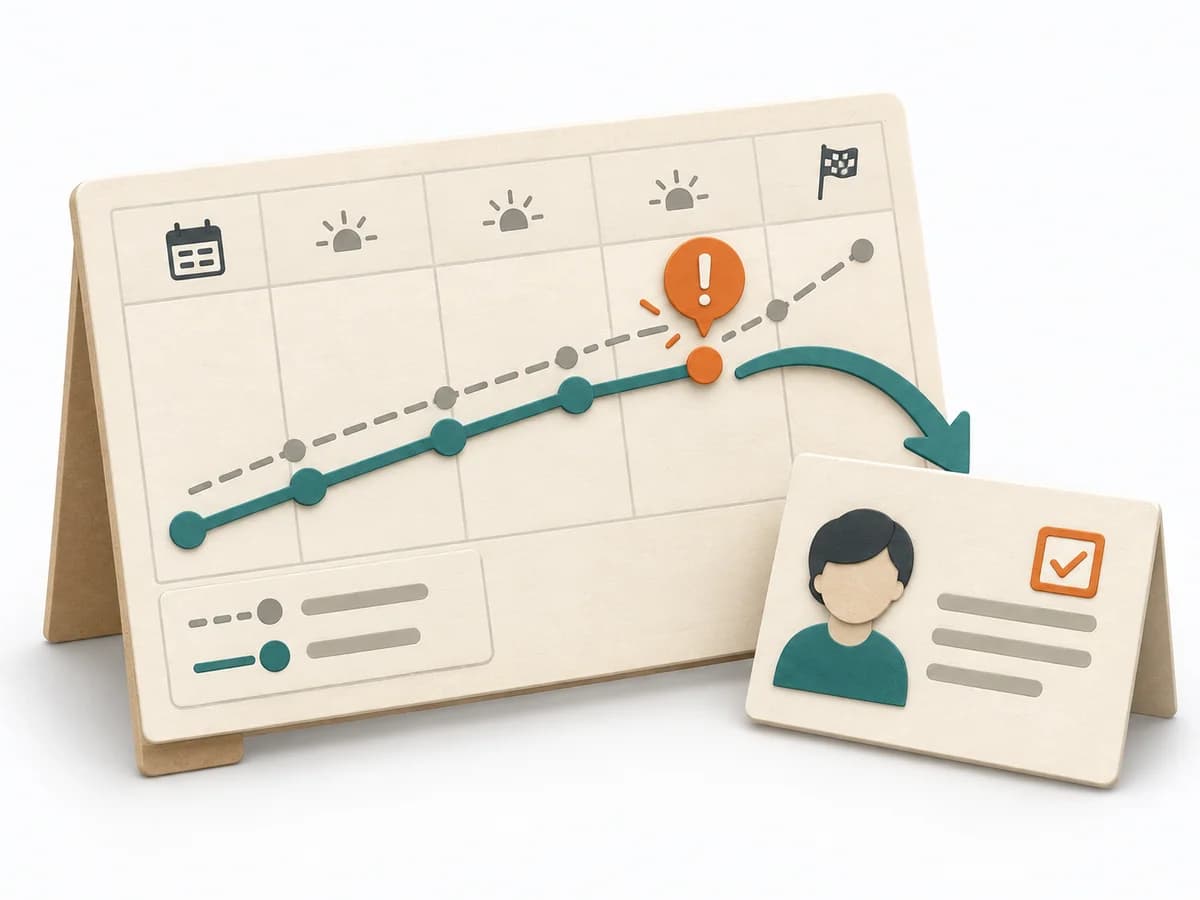 Operations Visual Management | 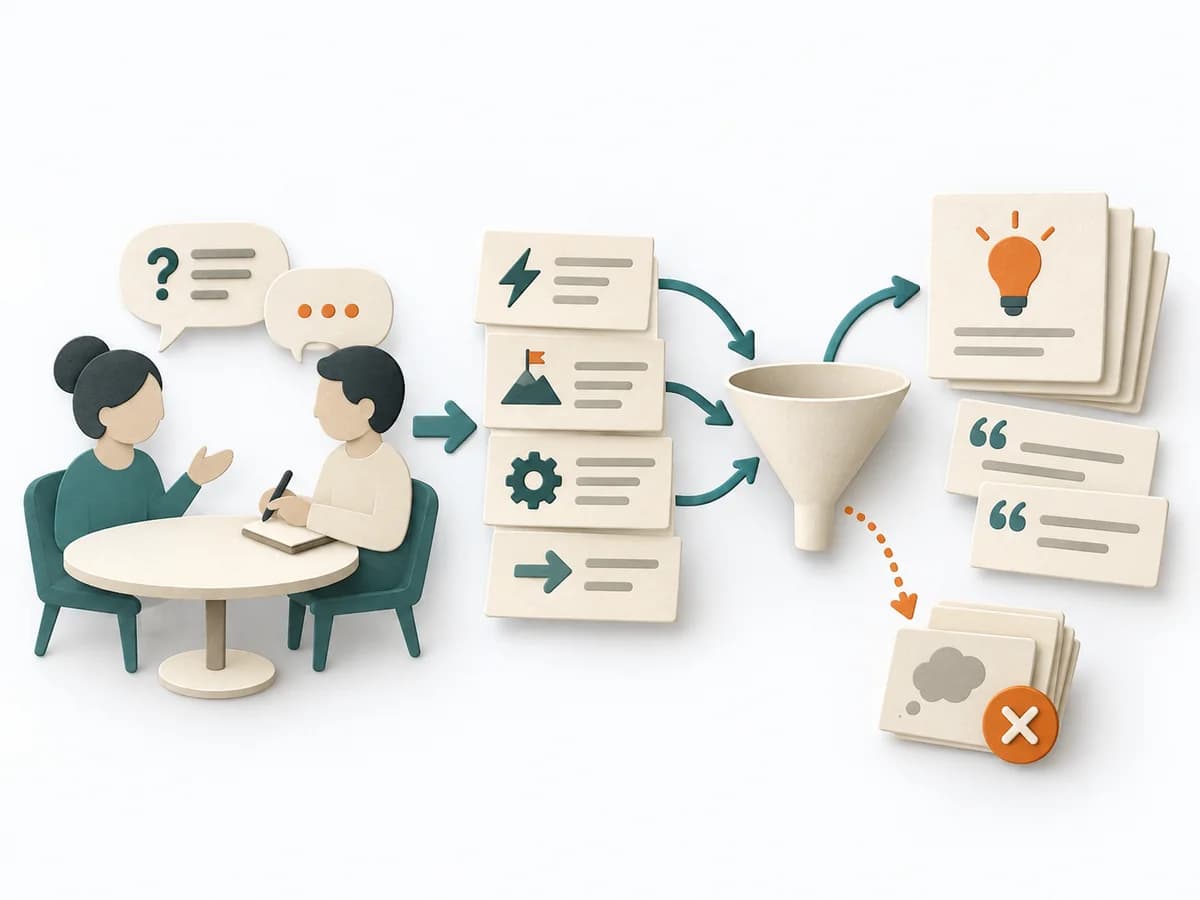 Product Discovery Opportunity Interview |  UX Research User Interviews | 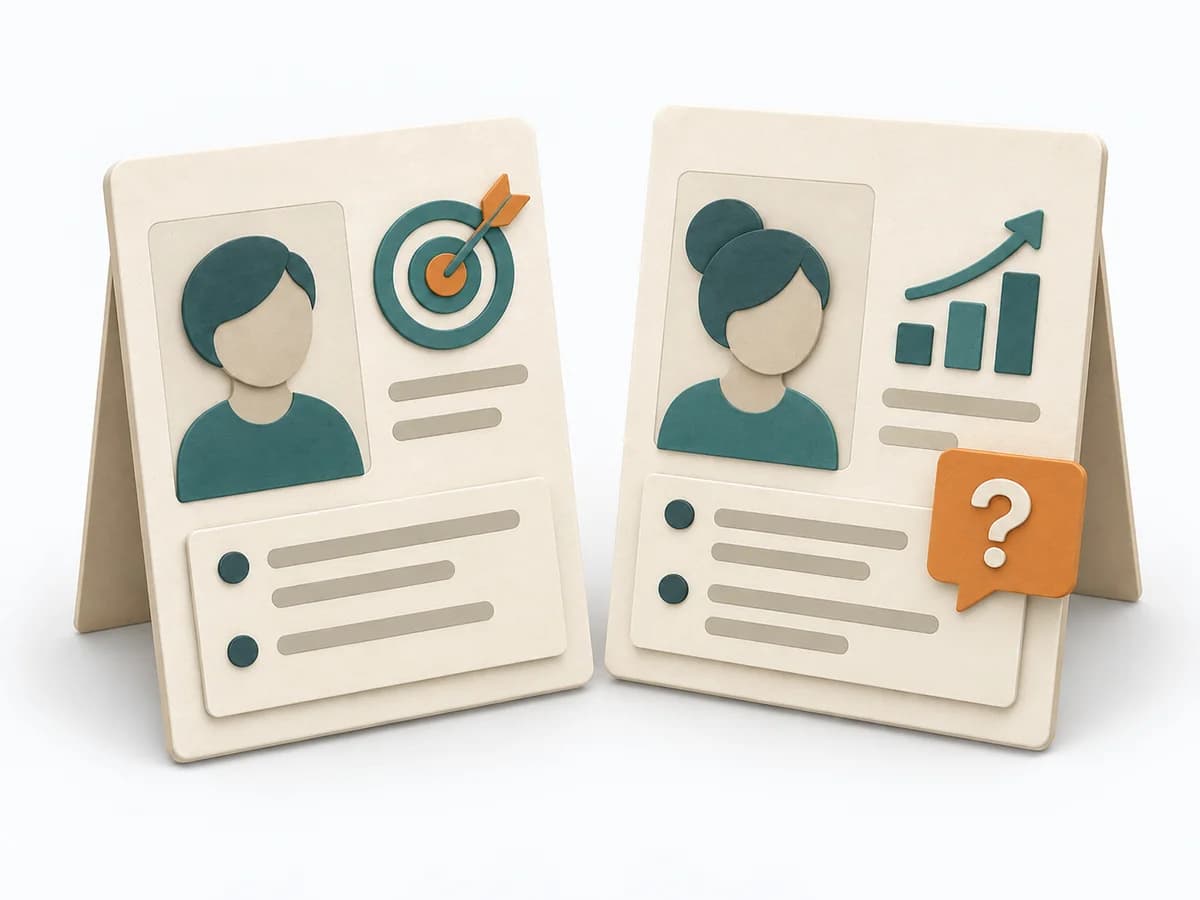 UX Research Personas |
|---|---|---|---|---|
Purposedifferent | With high tempo and many parallel topics, the method makes status, deviations, and priorities visible at a glance. It reduces search effort and prevents what matters from getting lost in daily work. | When opportunities are still hidden behind signals of need, it structures conversations around needs and obstacles. It looks for patterns that lead to new product opportunities. | When teams derive needs only from assumptions and real motives are missing, user interviews give direct access to behavior and meaning. Conversations from the target group's everyday life make patterns, tensions, and open questions solidly visible. | When target groups stay too vague and teams talk about the same people differently, personas create a shared, solid picture of usage. Condensed profiles make needs, contexts, and differences tangible enough for decisions. |
Complexitydifferent | Low | Medium | Low | Medium |
Timedifferent | Ongoing | 30-60 min je Interview | 30–60 min per interview | 1-3 Tage |
Participantsdifferent | 1-20 | 5-12 Interviews | 1 participant per interview | Internes Team |
Formatsame | Workshop + async | Workshop + async | Workshop + async | Workshop + async |
Outputdifferent | Visual Board, Status Indicators, Exception Cues | Interview Notes, Opportunity Themes, Customer Quotes | Interview Notes, Themes, Insight Summary | Persona Profiles, Needs Summary, Scenario Notes |
Tagsno overlap | SignalsOperationsVisual management | DiscoveryInterviewsOpportunityCustomer | QualitativeResearchCustomerDiscovery | ResearchCustomerSynthesis |