View methods side by side.
Choose up to four methods. Add them using the search and share the comparison by copying its link.
| Criterion | 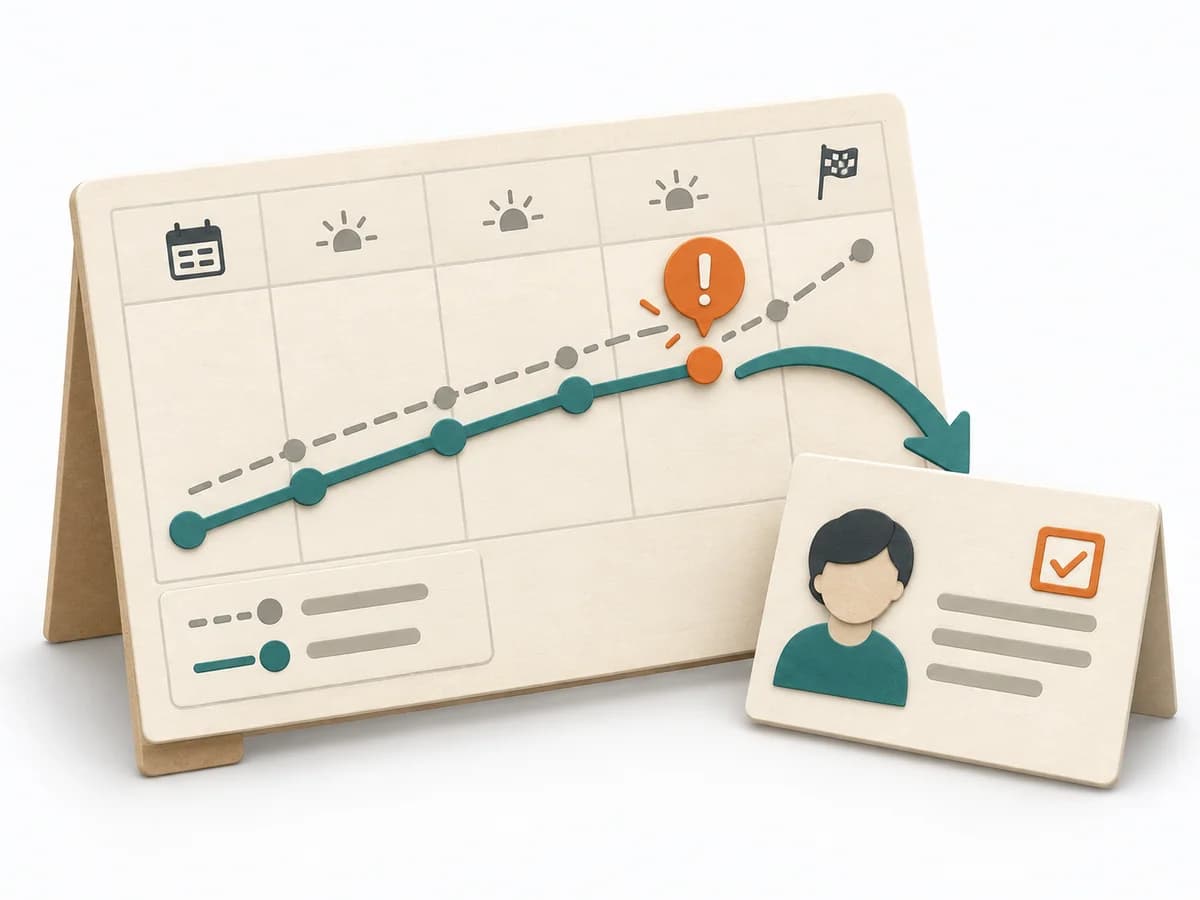 Operations Visual Management |  Knowledge Modeling Knowledge Mapping |  Decision Making Assumption Surfacing |  Operations Failure Mode and Effects Analysis |
|---|---|---|---|---|
Purposedifferent | With high tempo and many parallel topics, the method makes status, deviations, and priorities visible at a glance. It reduces search effort and prevents what matters from getting lost in daily work. | Knowledge Mapping makes knowledge, gaps, and transfer paths visible across a field. It fits when expertise should not just exist but also be findable and transferable. | Plans often contain assumptions that were never openly stated and remain dangerous precisely because of that. Assumption Surfacing makes these silent premises visible and prioritizes which of them carry the initiative or could sink it. | For a process, product, or service with noticeable failure risks, the method assesses possible failure modes in advance. It directs attention to combinations of occurrence, effect, and detectability. |
Complexitydifferent | Low | Medium | Low | High |
Timedifferent | Ongoing | 1-3 h | 45-90 min | 2-6 h |
Participantsdifferent | 1-20 | 3-12 | 2-8 | 3-10 |
Formatdifferent | Workshop + async | Workshop | Workshop + async | Workshop |
Outputdifferent | Visual Board, Status Indicators, Exception Cues | Knowledge Map, Critical Knowledge Areas, Transfer Plan | Assumption List, Critical Assumptions, Learning Plan | FMEA Table, Risk Priority, Mitigation Actions |
Tagsno overlap | SignalsOperationsVisual management | KnowledgeMappingRisk | AssumptionsRiskDecisionDiscovery | RiskQualityOperationsRoot cause |