View methods side by side.
Choose up to four methods. Add them using the search and share the comparison by copying its link.
| Criterion | 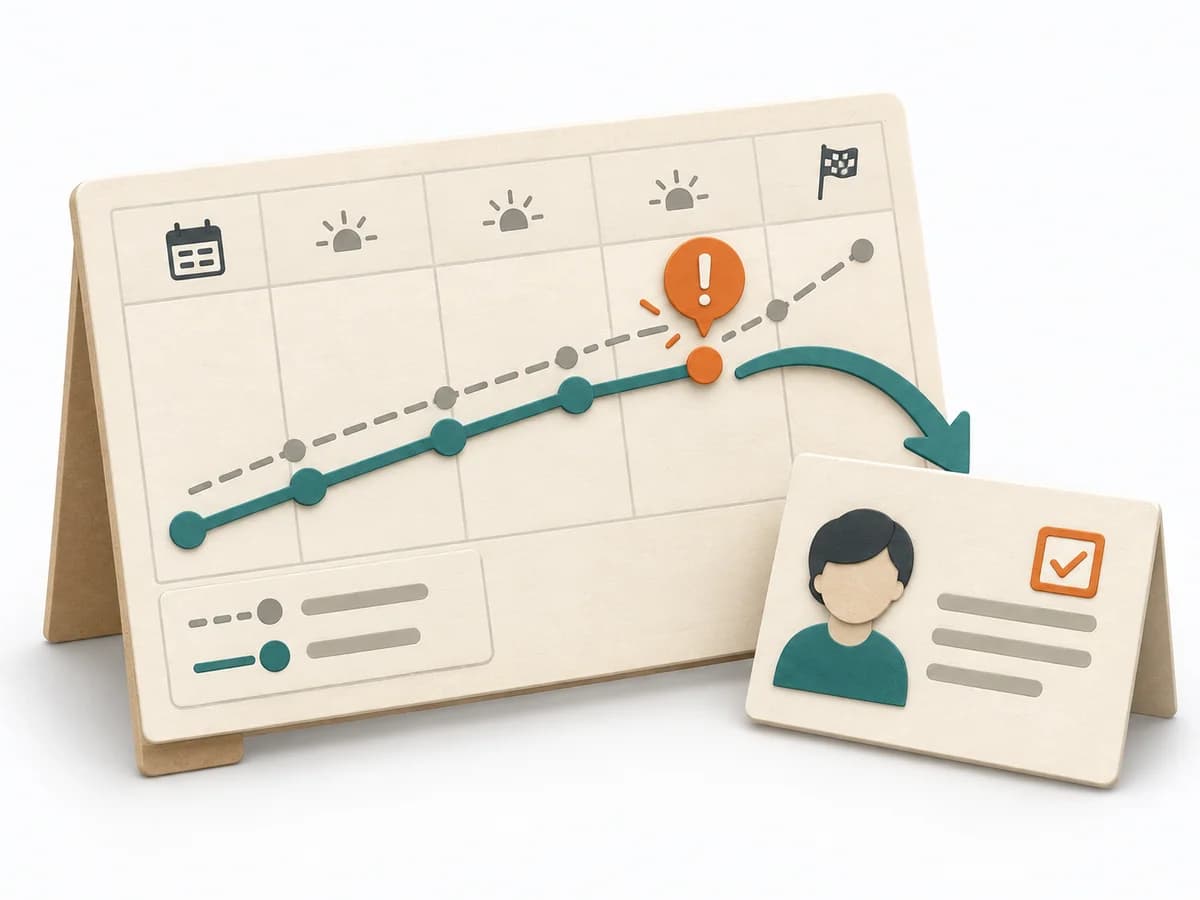 Operations Visual Management | 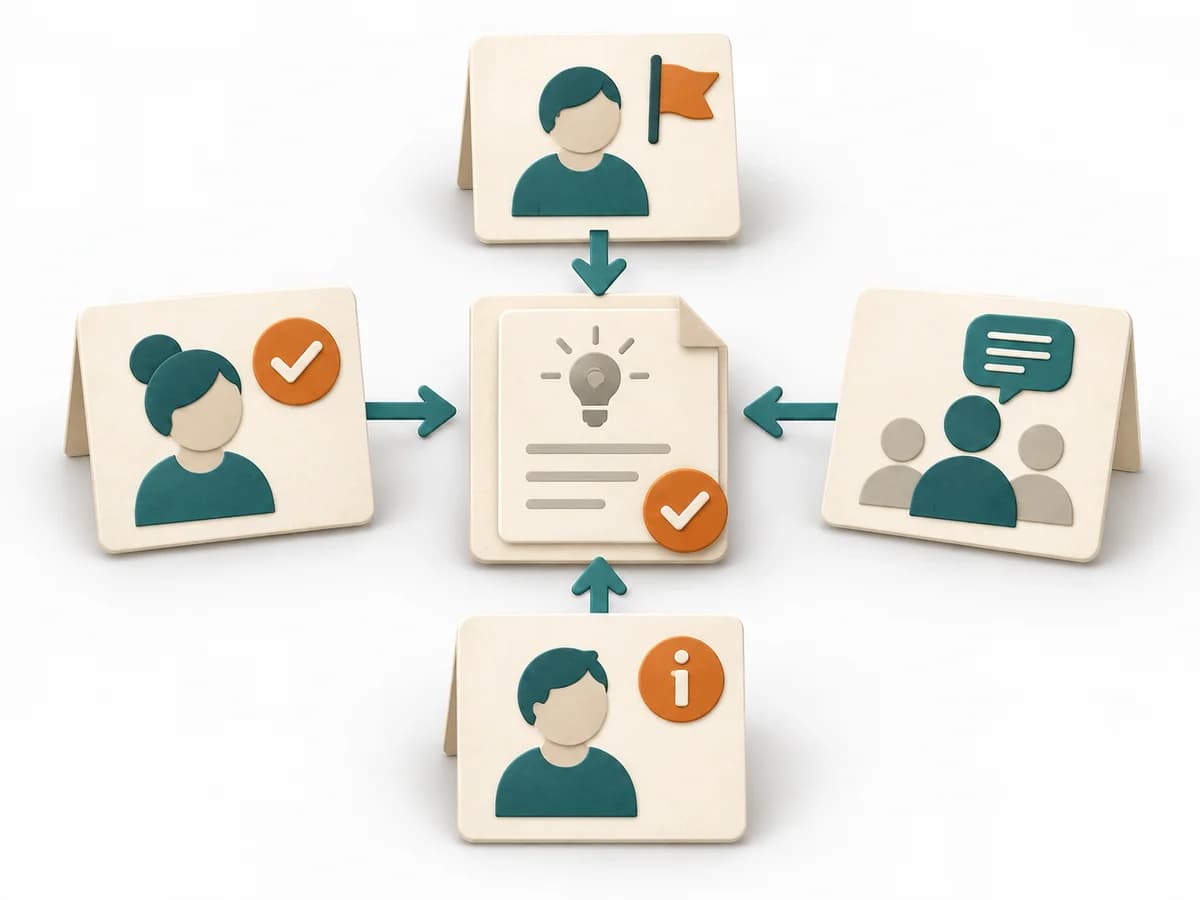 Decision Making DACI |  Operations 5 Whys |  Decision Making Decision Rights Mapping |
|---|---|---|---|---|
Purposedifferent | With high tempo and many parallel topics, the method makes status, deviations, and priorities visible at a glance. It reduces search effort and prevents what matters from getting lost in daily work. | In cross-functional decisions, responsibilities quickly blur between approval, influence, and execution. DACI arranges these roles so decision pressure, contribution, and information stay cleanly separated. | For a single, hard-to-explain deviation, the method exposes the causal chain behind the visible symptom. It keeps the cause open until a controllable condition emerges instead of a mere description. | In organizations with many stakeholders, it often blurs who actually decides and who is merely consulted. It separates options, evaluation criteria, and open risks. The result is captured as a Decision Rights matrix and an agreement. |
Complexitydifferent | Low | Low | Low | Medium |
Timedifferent | Ongoing | 30-60 min | 15-30 min | 90-180 min |
Participantsdifferent | 1-20 | 2-10 | 2-6 | 4-12 |
Formatdifferent | Workshop + async | Workshop + async | Workshop | Workshop |
Outputdifferent | Visual Board, Status Indicators, Exception Cues | DACI Matrix, Decision Owner, Decision Log | Root cause notes, Countermeasures | Decision Rights Matrix, Agreement |
Tagsno overlap | SignalsOperationsVisual management | DecisionRolesGovernanceAlignment | Root causeIncidentLeanProblem solving | DecisionGovernanceAlignmentResponsibility |