View methods side by side.
Choose up to four methods. Add them using the search and share the comparison by copying its link.
| Criterion | 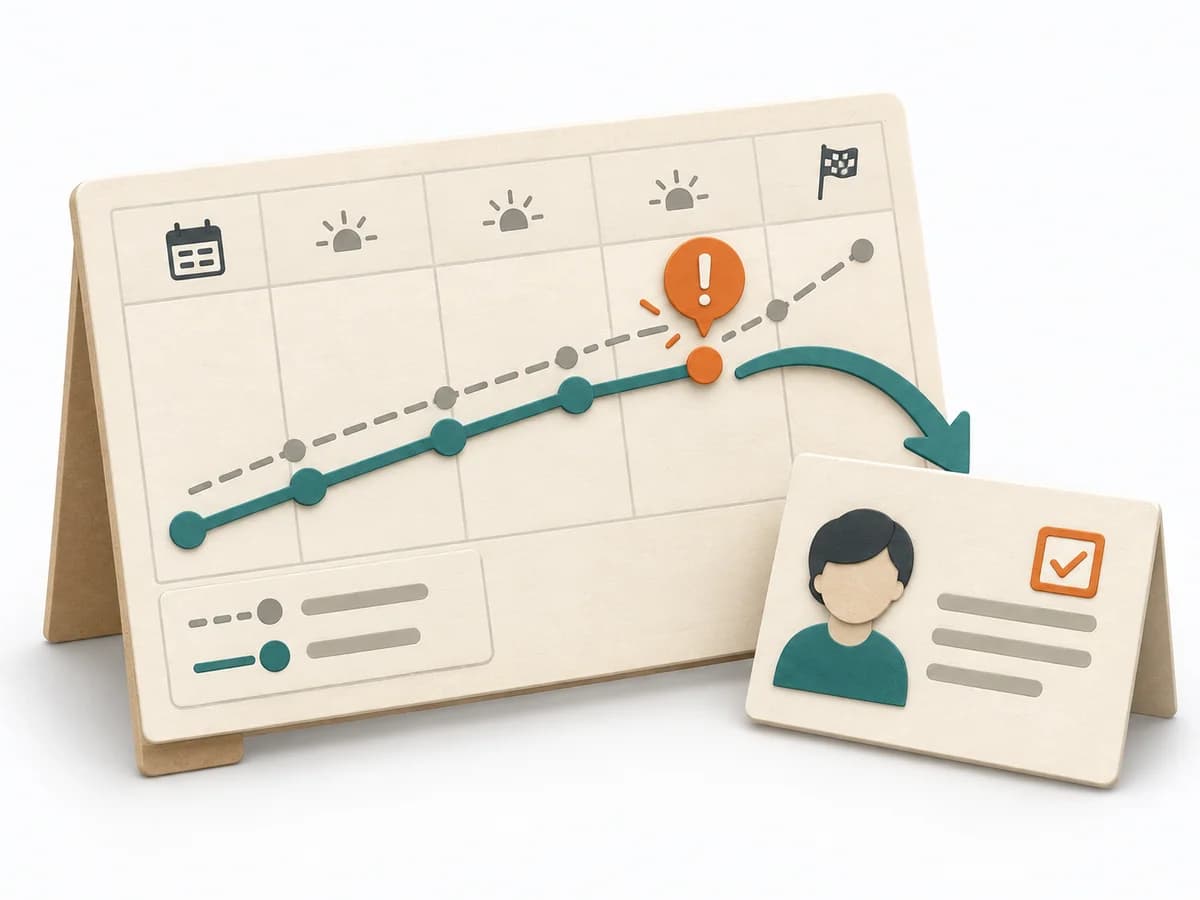 Operations Visual Management |  Agile 4Ls Retrospective |  Decision Making Force Field Analysis | 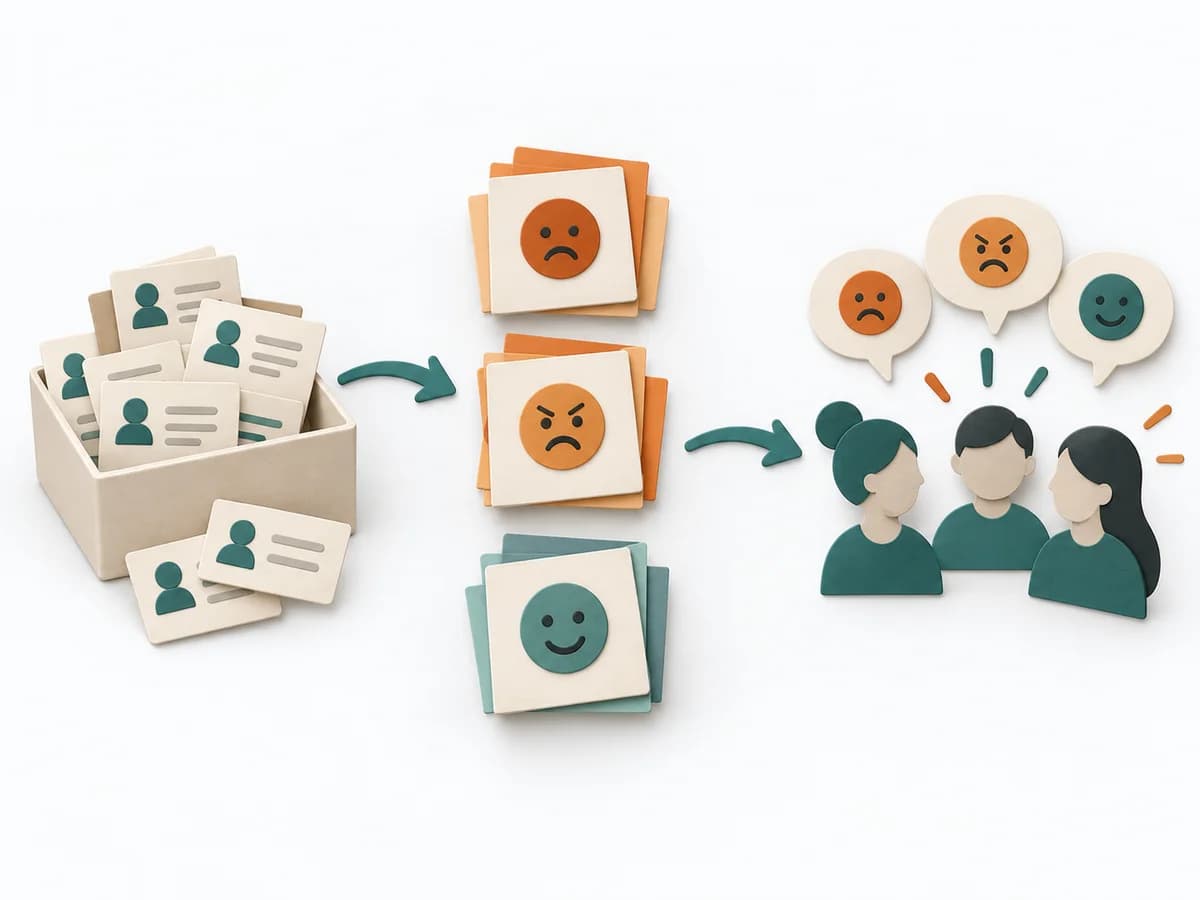 Agile Mad Sad Glad |
|---|---|---|---|---|
Purposedifferent | With high tempo and many parallel topics, the method makes status, deviations, and priorities visible at a glance. It reduces search effort and prevents what matters from getting lost in daily work. | When a sprint should not only be assessed but also learned from, it captures experience in clear learning categories. It records what worked, what's missing, and what should run differently next time. | In change initiatives, supporting and restraining forces sit at the table at the same time. Force Field Analysis makes these tensions explicit and shows where change can be pushed forward by strengthening or relieving. | When a team's or workshop's mood needs to become readable, it structures emotional signals with little setup. It makes strain, relief, and sources of energy tangible. |
Complexitysame | Low | Low | Low | Low |
Timedifferent | Ongoing | 45–75 min | 45-90 min | 30-60 min |
Participantsdifferent | 1-20 | Team members involved | 3-12 | 3-10 |
Formatdifferent | Workshop + async | Workshop | Workshop | Workshop |
Outputdifferent | Visual Board, Status Indicators, Exception Cues | 4Ls Board, Learning Themes, Improvement Actions | Force Field Map, Change Levers, Risk Notes | Emotion Board, Themes, Action Items |
Tagsno overlap | SignalsOperationsVisual management | RetrospectiveLearningReflectionTeam | ChangeDecisionStrategy | RetrospectiveTeamReflection |