View methods side by side.
Choose up to four methods. Add them using the search and share the comparison by copying its link.
Selected:Value Stream MappingIdeal DaysFailure Mode and Effects AnalysisLASR (Lightweight Approach for Software Reviews)
| Criterion | 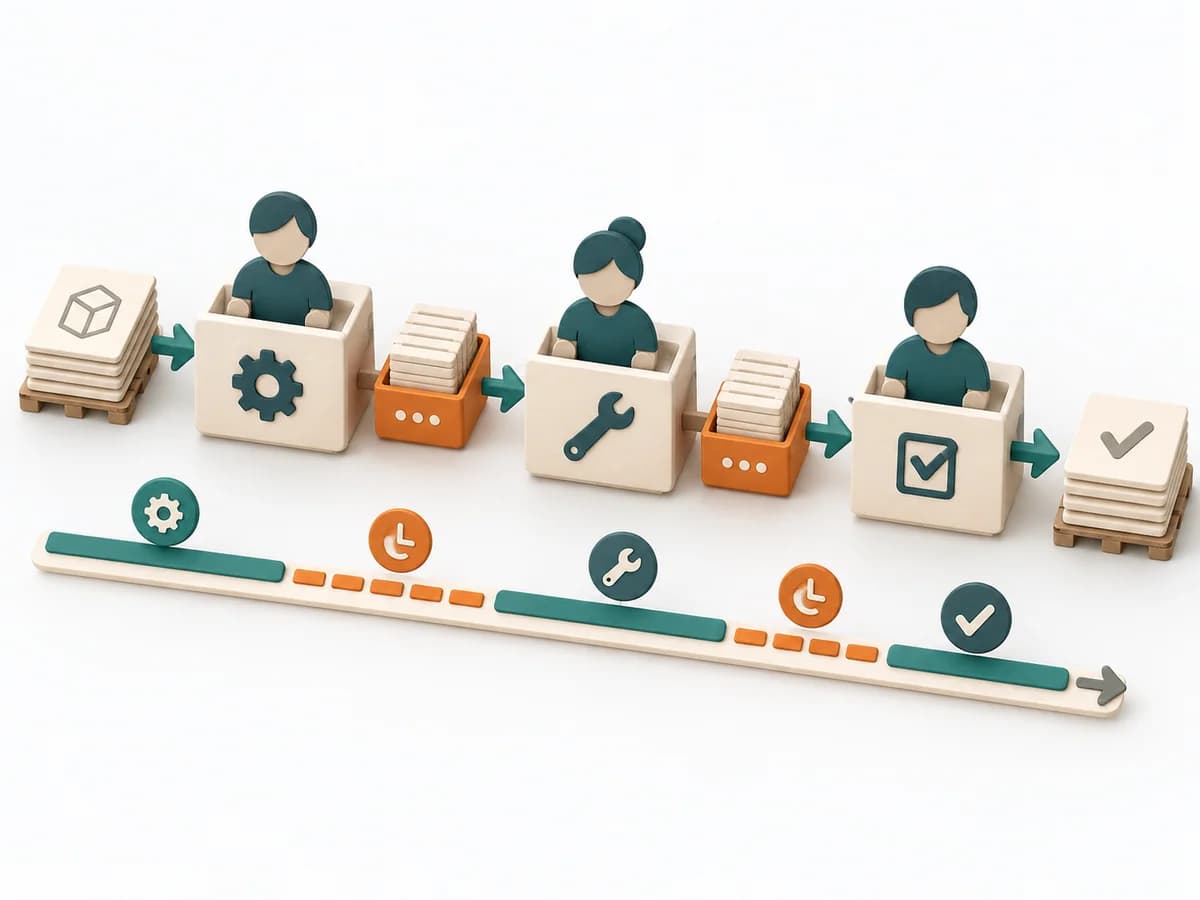 Delivery Value Stream Mapping | 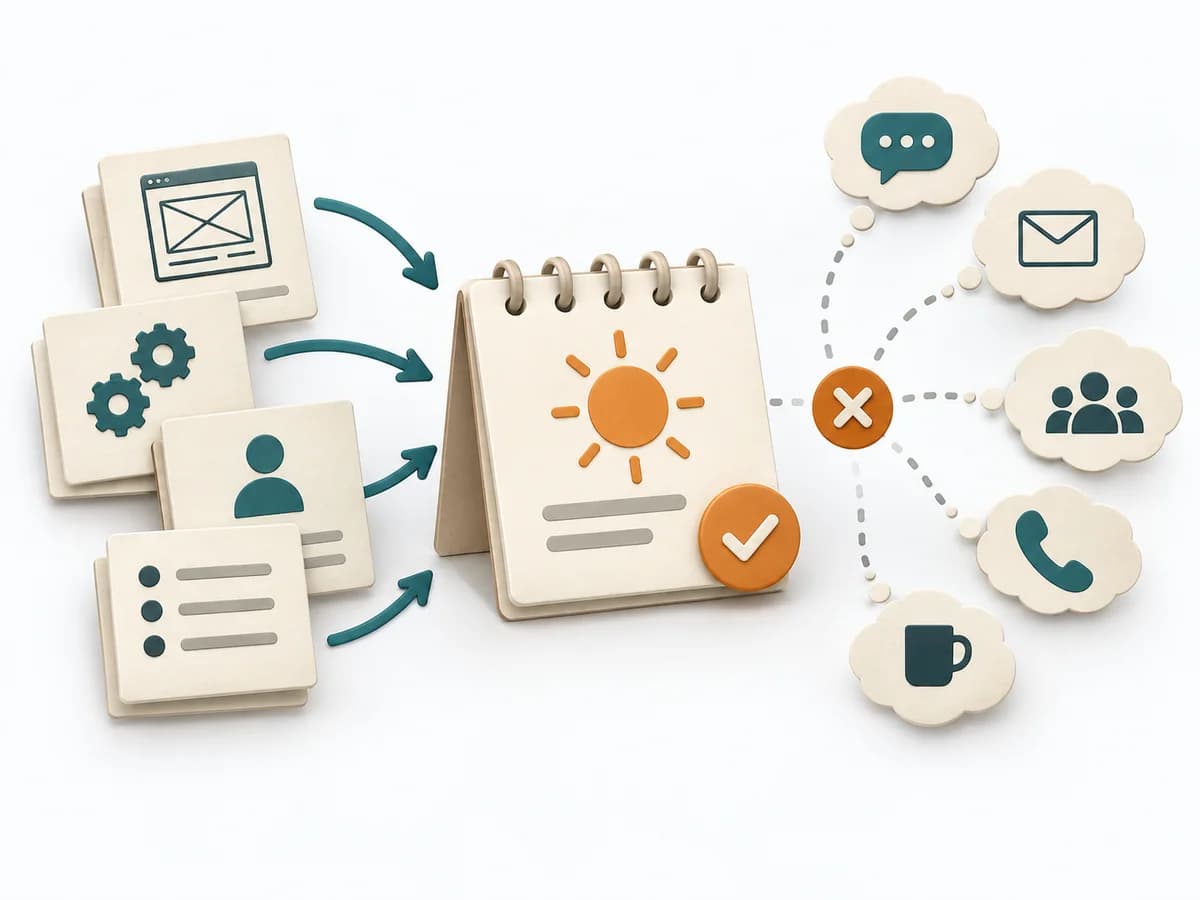 Agile Ideal Days |  Operations Failure Mode and Effects Analysis |  Architecture LASR (Lightweight Approach for Software Reviews) |
|---|---|---|---|---|
Purposedifferent | When delivery work dissolves into wait times, handoffs, and hidden effort, Value Stream Mapping makes the actual flow visible. The method exposes bottlenecks, idle time, and feedback loops so lead time and improvement levers become tangible. | When effort needs to be thought of as real working time, it offers a simple common denominator for comparison. It sorts work by value, risk, and delivery ability. The result is captured as Ideal Day Estimates, Assumption Notes, and Capacity Caveats. | For a process, product, or service with noticeable failure risks, the method assesses possible failure modes in advance. It directs attention to combinations of occurrence, effect, and detectability. | LASR helps development teams identify where their software falls short of important quality goals and which improvements to consider. A small group with existing system knowledge can make an initial assessment and investigate open questions in more detail. |
Complexitydifferent | Medium | Low | High | Medium |
Timedifferent | 1-3 h | 15-60 min | 2-6 h | 3–4 h for initial assessment; preparation and deeper analysis additional |
Participantsdifferent | 4-10 | 2-9 | 3-10 | 1 or a small team; particularly suitable for 3–4 people |
Formatdifferent | Workshop | Workshop + async | Workshop | Workshop + async |
Outputdifferent | Current-state map, Future-state map, Bottleneck list | Ideal Day Estimates, Assumption Notes, Capacity Caveats | FMEA Table, Risk Priority, Mitigation Actions | Lean Mission Statement describing the software’s purpose, Prioritized quality goals and evaluation criteria, Risks and estimated gaps against quality goals, More closely examined findings and open checks |
Tagsno overlap | LeanFlowWasteDelivery | EstimationEffortAgile | RiskQualityOperationsRoot cause | ArchitectureQualityRiskAssessmentLean |