View methods side by side.
Choose up to four methods. Add them using the search and share the comparison by copying its link.
| Criterion |  UX Research User Interviews | 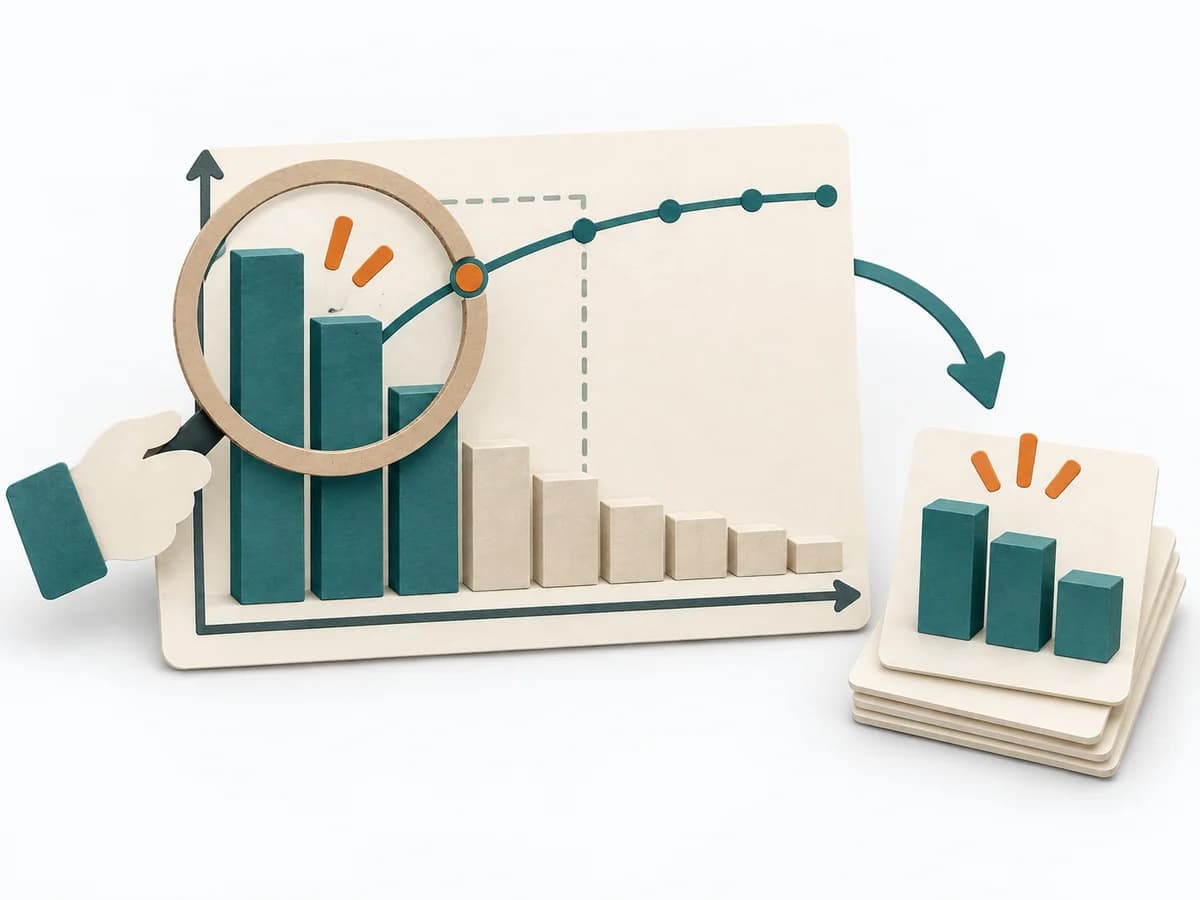 Decision Making Pareto Analysis | 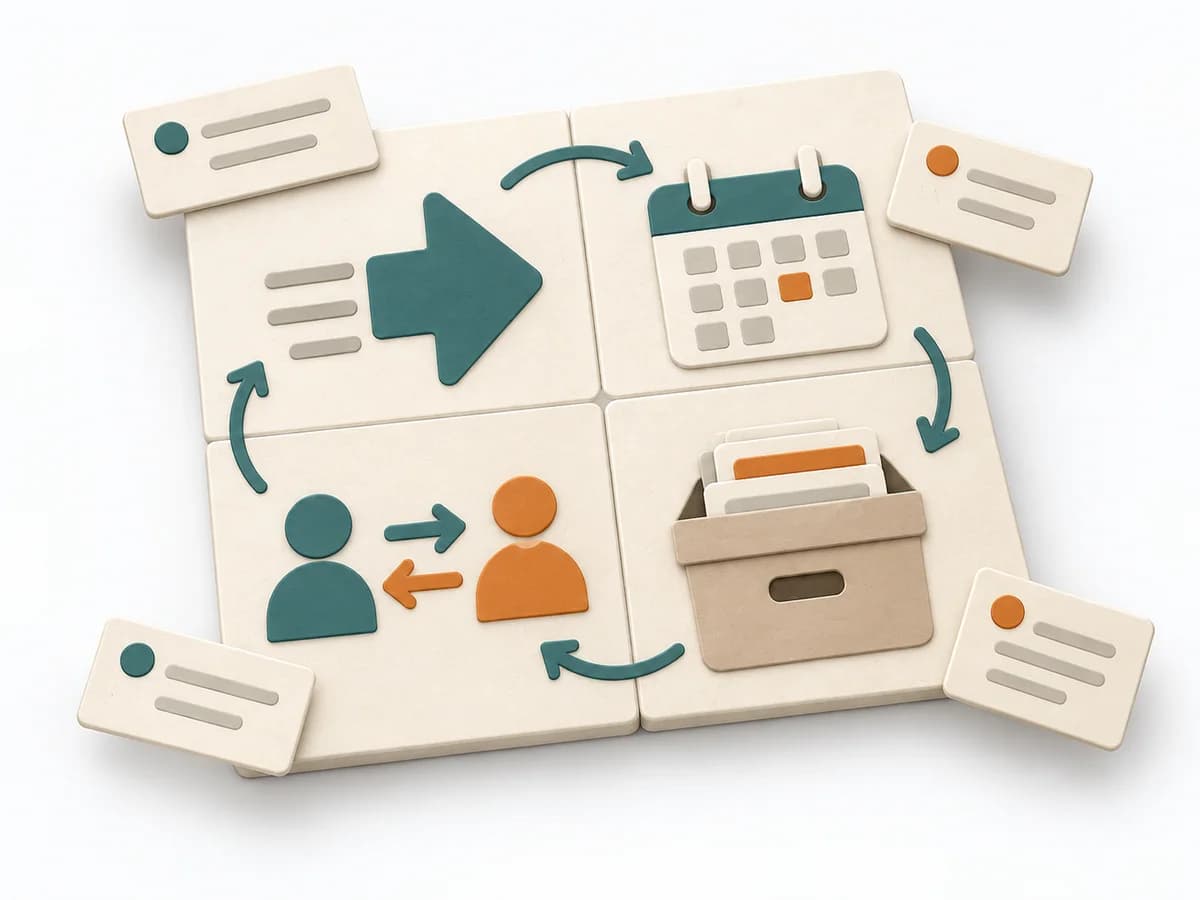 Decision Making Eisenhower Matrix | 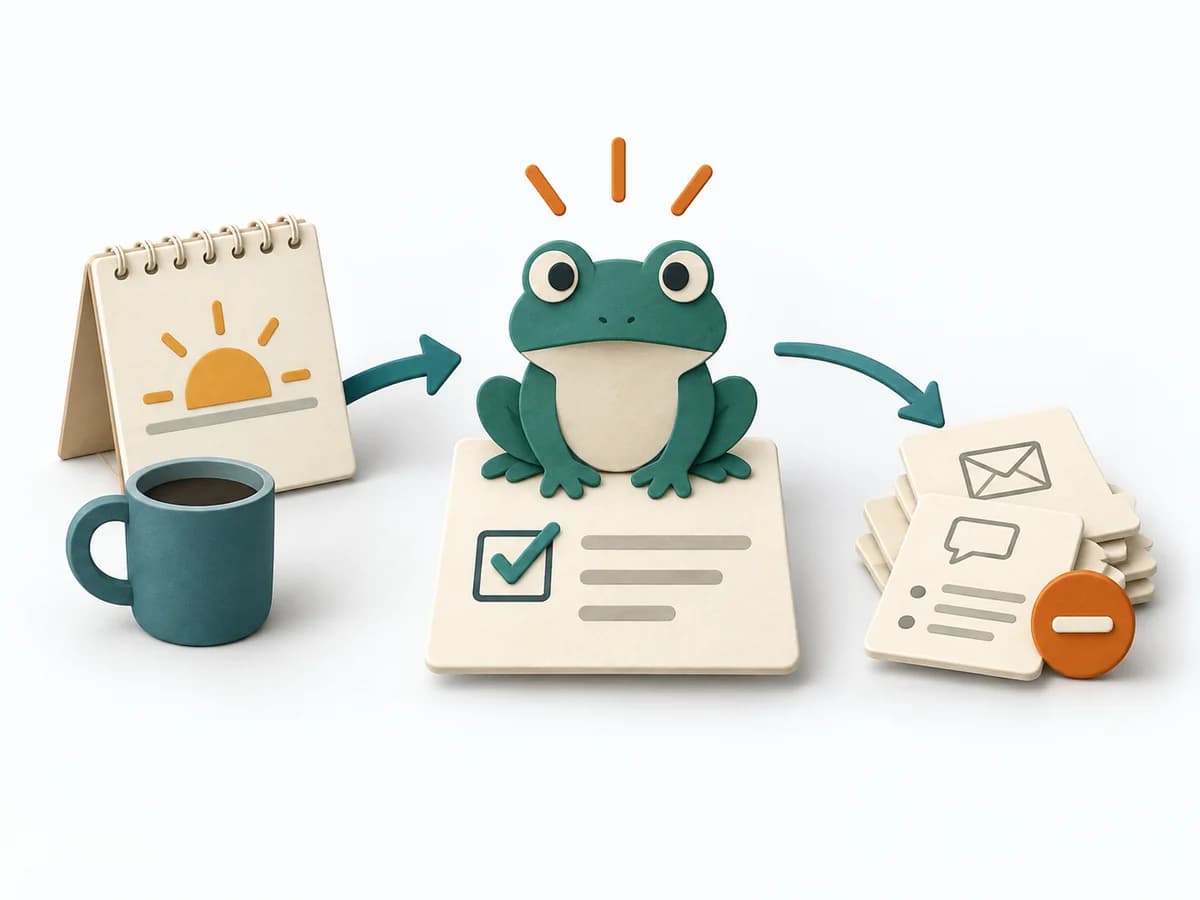 Operations Eat the Frog |
|---|---|---|---|---|
Purposedifferent | When teams derive needs only from assumptions and real motives are missing, user interviews give direct access to behavior and meaning. Conversations from the target group's everyday life make patterns, tensions, and open questions solidly visible. | In many problem situations, effect is distributed unequally across many causes. A Pareto Analysis separates the few drivers with high leverage from the long remainder and focuses attention on what measurably moves the needle. | It separates true priorities from noise so it becomes clear what should be done now, scheduled, delegated, or dropped. | The method protects energy and attention for the task that creates the largest progress and is often postponed. |
Complexitysame | Low | Low | Low | Low |
Timedifferent | 30–60 min per interview | 30-60 min | 15-30 min | 15-90 min daily |
Participantsdifferent | 1 participant per interview | 1-6 | 1-6 | 1 |
Formatdifferent | Workshop + async | Workshop + async | Workshop + async | Async |
Outputdifferent | Interview Notes, Themes, Insight Summary | Pareto Chart, Top Causes, Focus List | Eisenhower Matrix, Action List, Delegation Notes | Priority Task, Completion Note, Daily Focus |
Tagsno overlap | QualitativeResearchCustomerDiscovery | PrioritizationQualityFocusRoot cause | PrioritizationFocusTasks | PrioritizationProductivityFocusExecution |