View methods side by side.
Choose up to four methods. Add them using the search and share the comparison by copying its link.
| Criterion |  UX Research User Interviews |  Operations Fishbone Diagram | 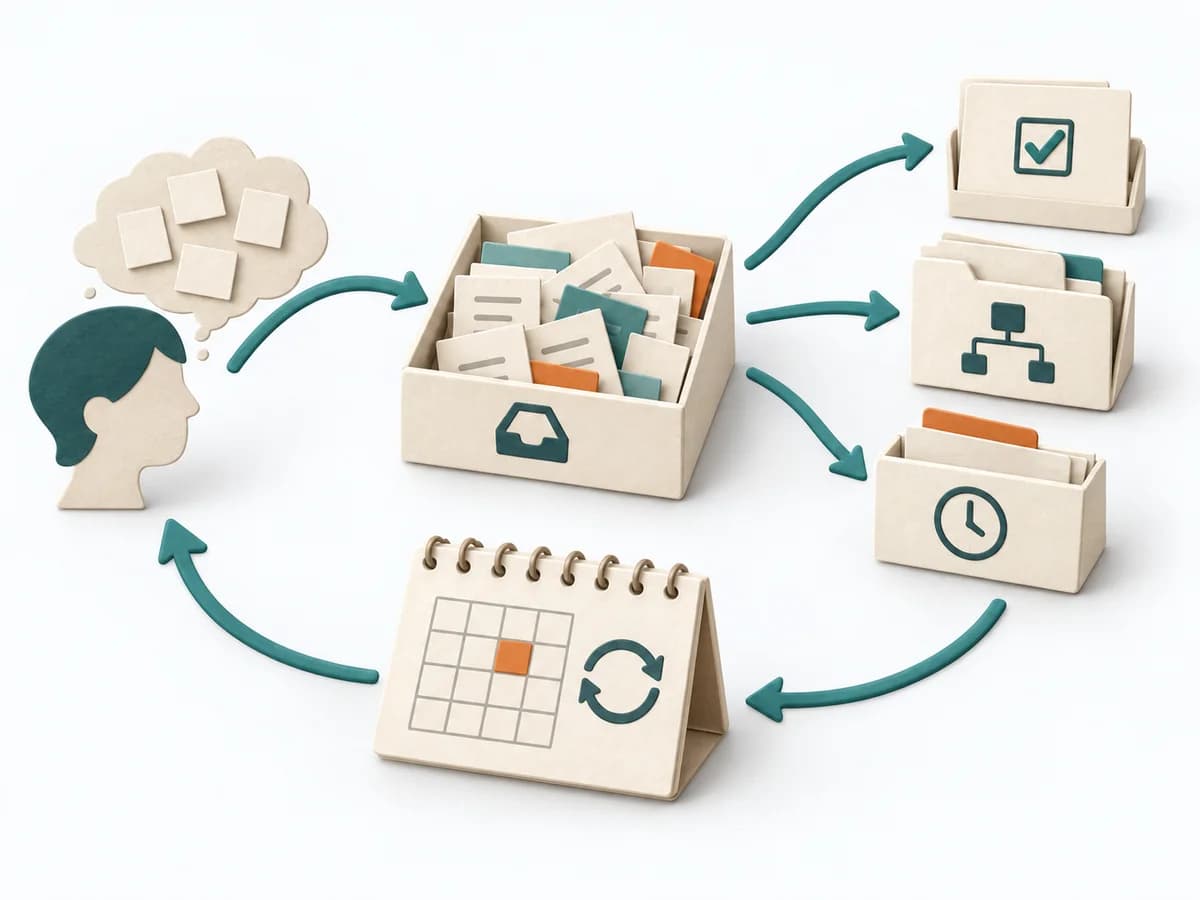 Operations Getting Things Done |  Operations Failure Mode and Effects Analysis |
|---|---|---|---|---|
Purposedifferent | When teams derive needs only from assumptions and real motives are missing, user interviews give direct access to behavior and meaning. Conversations from the target group's everyday life make patterns, tensions, and open questions solidly visible. | When a problem has several possible contributing factors, the method sorts causes by cause areas. It prevents an initial hunch from blocking the view of other plausible drivers. | With many open commitments and ideas in daily life, a reliable external storage system emerges. The method relieves the mind so priority and context don't have to compete in memory. | For a process, product, or service with noticeable failure risks, the method assesses possible failure modes in advance. It directs attention to combinations of occurrence, effect, and detectability. |
Complexitydifferent | Low | Low | Medium | High |
Timedifferent | 30–60 min per interview | 30-60 min | 1-2 h Setup, laufend | 2-6 h |
Participantsdifferent | 1 participant per interview | 2-8 | 1 | 3-10 |
Formatdifferent | Workshop + async | Workshop | Async | Workshop |
Outputdifferent | Interview Notes, Themes, Insight Summary | Fishbone Diagram, Cause Categories, Investigation Backlog | Action Lists, Project List, Review Routine | FMEA Table, Risk Priority, Mitigation Actions |
Tagsno overlap | QualitativeResearchCustomerDiscovery | Root causeQualityOperations | ProductivityPlanningTasksExecution | RiskQualityOperationsRoot cause |