View methods side by side.
Choose up to four methods. Add them using the search and share the comparison by copying its link.
| Criterion | 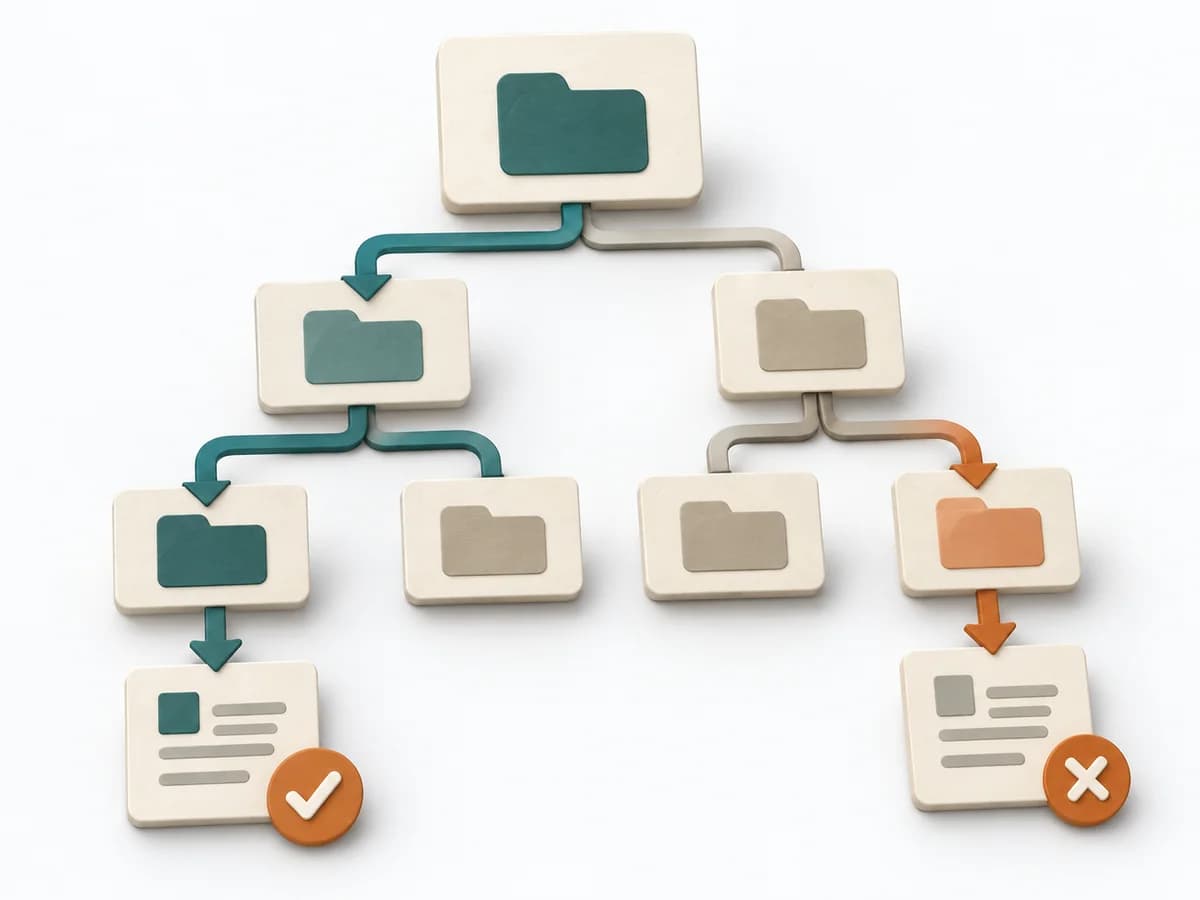 UX Research Tree Testing |  Decision Making Pre-Mortem | 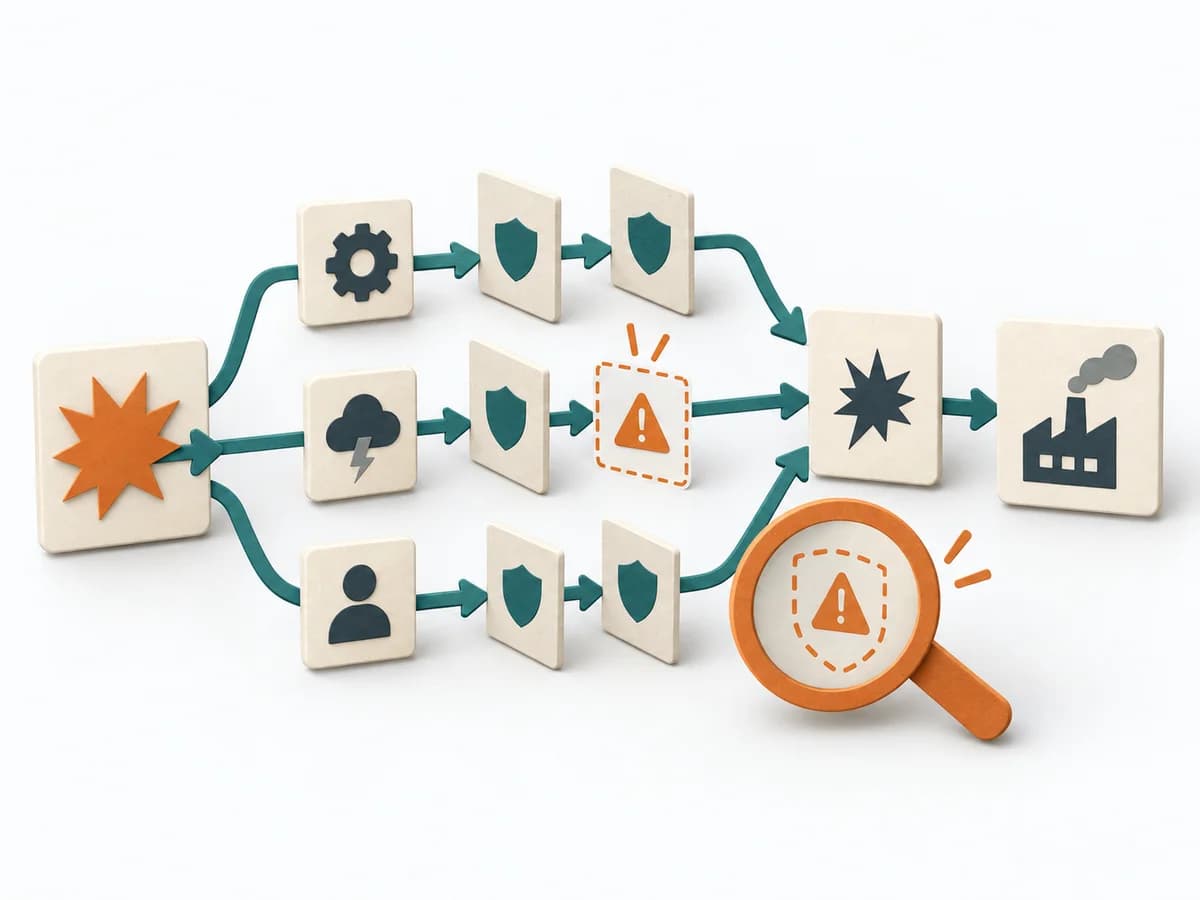 Engineering Failure Scenario Analysis |  UX Research First-click Testing |
|---|---|---|---|---|
Purposedifferent | When a navigation exists but search paths still fail, tree testing checks findability without visual distraction. The method shows whether labels, levels, and paths really lead to the intended destination. | In early initiatives with many uncertainties, planning quickly turns too optimistic. A pre-mortem makes the expected failure visible in advance and sharpens the view of causes, gaps, and countermeasures. | In critical processes, it is not enough to plan only for the normal case. Failure Scenario Analysis looks at the path into failure and shows which failures, chains, and control gaps cause the most damage. | When users immediately turn the wrong way on a screen or wireframe, first click testing checks initial orientation at high speed. The first click shows early whether expectation, labeling, and wayfinding fit together. |
Complexitydifferent | Medium | Low | Medium | Low |
Timedifferent | 1-2 Tage | 20–45 min | 1-3 h | 1-2 Tage |
Participantsdifferent | Based on research question | Small cross-functional group | 3-8 | 10-30 |
Formatdifferent | Async | Workshop | Workshop | Async |
Outputdifferent | Findability Metrics, Path Analysis, Revised IA | Risk list, Mitigation plan, Assumption log | Failure Scenarios, Risk Notes, Control Gaps, Test and Response Actions | Click Heatmap, Success Rate, Design Recommendations |
Tagsno overlap | Information architectureNavigationFindability | RiskDecisionFailurePlanning | FailureResilienceRisk | UXNavigationFindabilityValidation |