View methods side by side.
Choose up to four methods. Add them using the search and share the comparison by copying its link.
| Criterion | 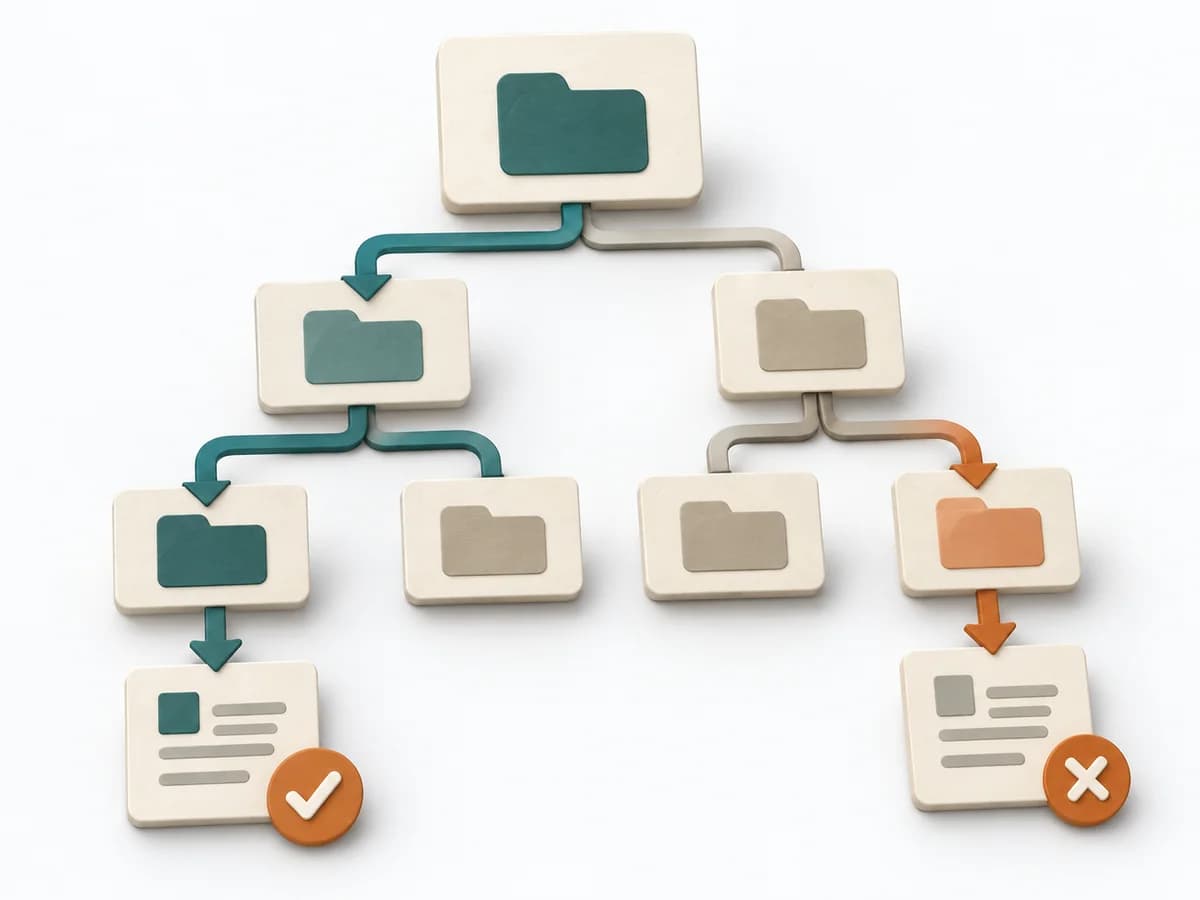 UX Research Tree Testing |  Product Discovery Context Canvas | 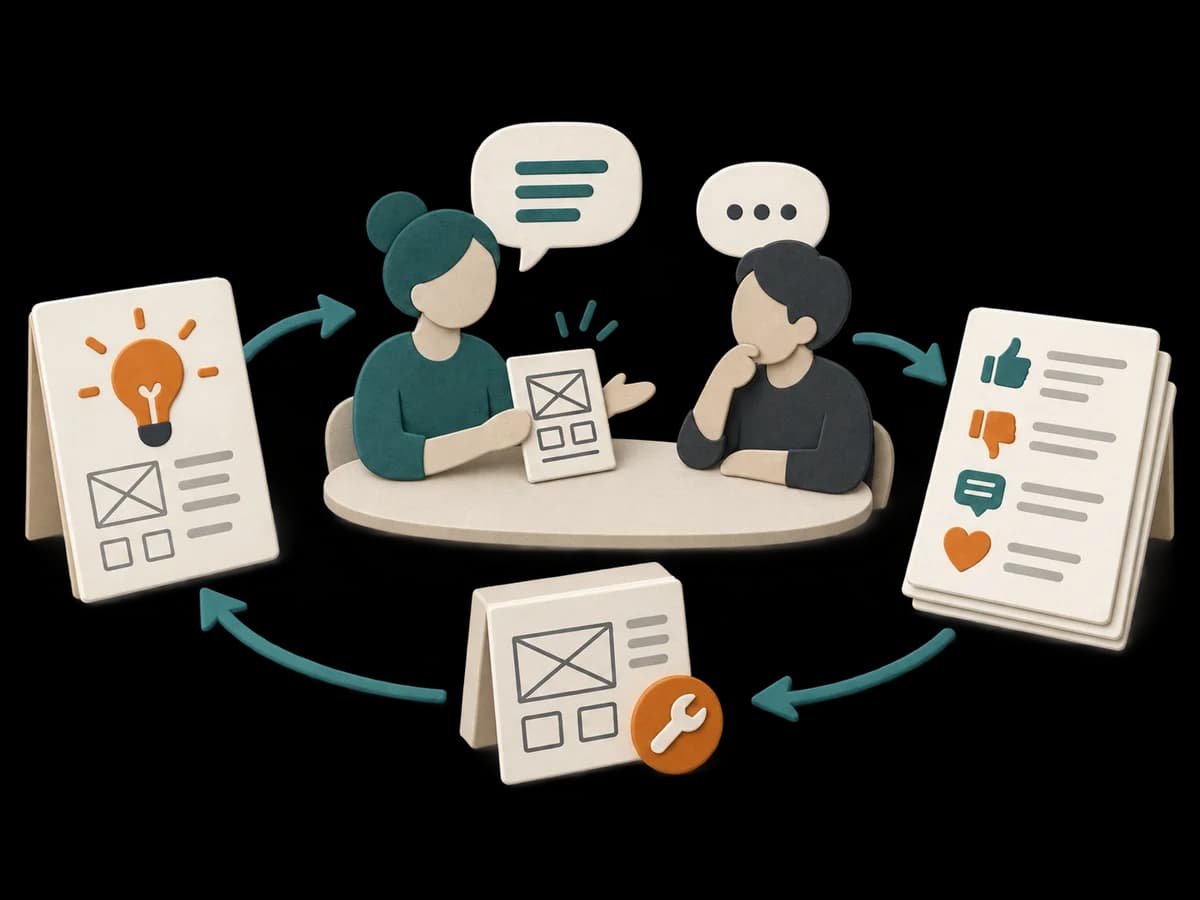 Product Discovery Solution Interview |  UX Research Card Sorting |
|---|---|---|---|---|
Purposedifferent | When a navigation exists but search paths still fail, tree testing checks findability without visual distraction. The method shows whether labels, levels, and paths really lead to the intended destination. | When an environment of users, systems, and constraints is hard to grasp, it puts the context compactly on the table. It creates a clear reading of influence, boundary, and dependency. | When a solution idea is already on the table, it checks how it is understood and evaluated. It looks for resonance, objections, and missing fit early in the conversation. | When content only makes sense internally and users can't find the structure again, card sorting exposes their mental order. Terms, groups, and naming are then aligned with the target group's expectations. |
Complexitydifferent | Medium | Low | Medium | Low |
Timedifferent | 1-2 Tage | 45-90 min | 30-60 min je Interview | 20-45 min |
Participantsdifferent | Based on research question | 3-10 | 5-10 Interviews | Based on research question |
Formatdifferent | Async | Workshop | Workshop + async | Workshop + async |
Outputdifferent | Findability Metrics, Path Analysis, Revised IA | Context canvas, Open questions, Shared context notes | Solution Feedback, Objection List, Validation Notes | Content groups, Label set, IA hypotheses |
Tagsno overlap | Information architectureNavigationFindability | ContextFramingRequirementsCanvas | ValidationInterviewsPrototype | Information architectureNavigationStructure |