View methods side by side.
Choose up to four methods. Add them using the search and share the comparison by copying its link.
| Criterion | 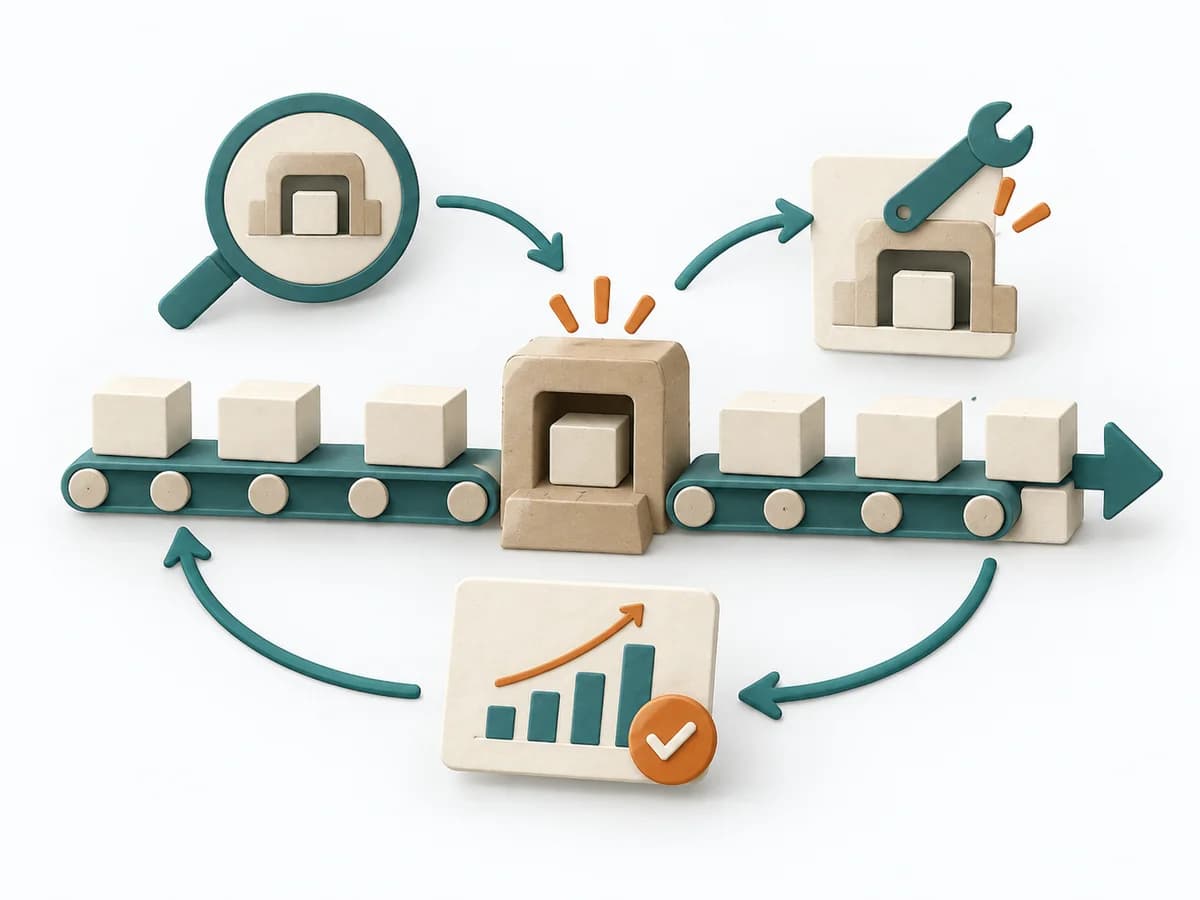 Operations Theory of Constraints | 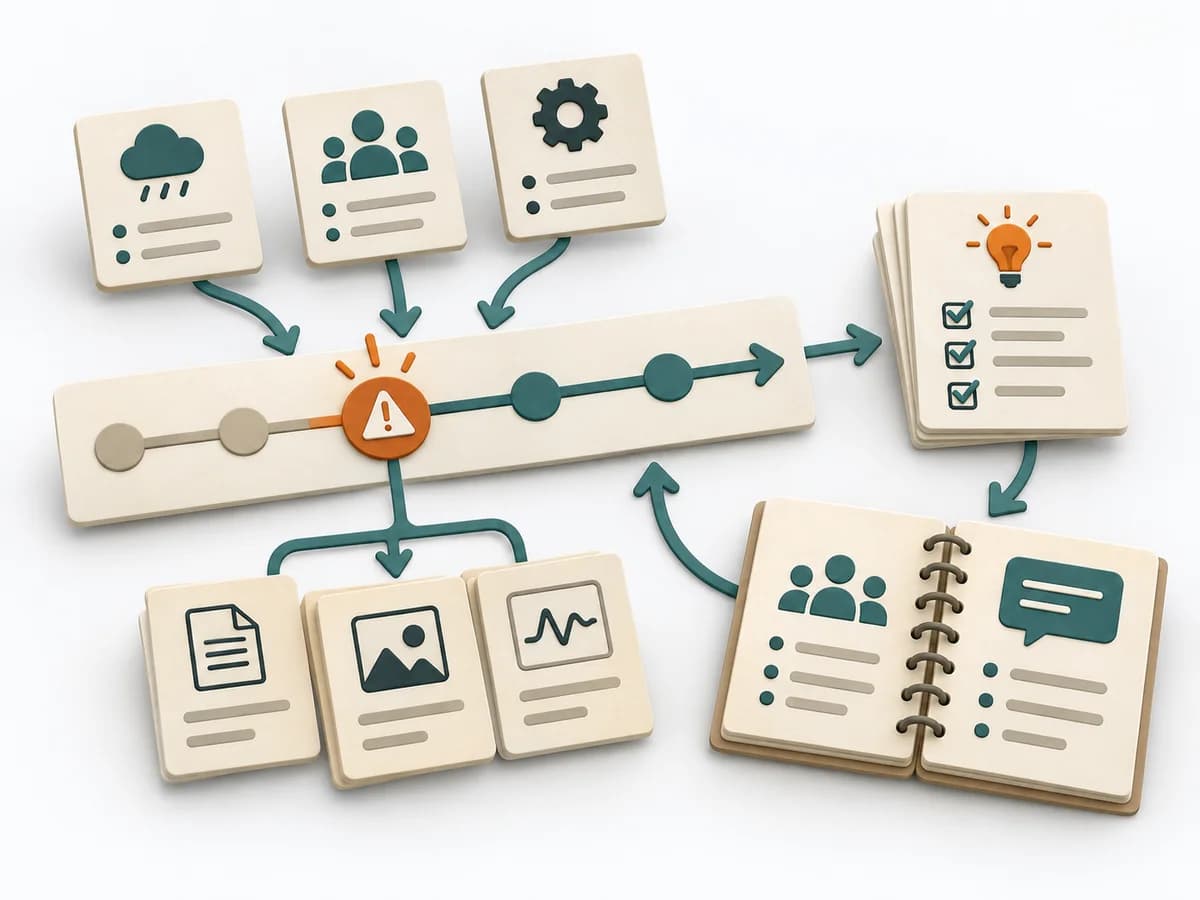 DevOps Blameless Postmortem |  Operations Bottleneck Analysis |  DevOps Incident Command |
|---|---|---|---|---|
Purposedifferent | For a system that does not get faster despite effort, the method directs attention to the bottleneck. It concentrates improvement on the point that actually limits throughput. | After an incident with damage or a near miss, the method creates a sober field for learning without assigning blame. It directs attention to the course of events, conditions, and effective countermeasures. | For a flow that backs up at one point, the method looks for the capacity limit with the greatest leverage. It explains why extra effort elsewhere barely improves throughput. | During an acute incident with several people involved, the method creates a clear leadership and communication structure. It reduces chaos when fast coordination and clean situational awareness are both needed at once. |
Complexitydifferent | High | Medium | Medium | Medium |
Timedifferent | 2-4 h Analyse, laufend | 30-90 min | 1-3 h | As needed |
Participantsdifferent | 3-12 | 3-12 | 3-8 | 4-15 |
Formatsame | Workshop + async | Workshop + async | Workshop + async | Workshop + async |
Outputdifferent | Constraint Map, Improvement Plan, Flow Metrics | Postmortem Doc, Action Items, Timeline | Bottleneck Map, Flow Metrics, Improvement Options, Follow-up Measures | Incident Log, Action Tracker, Stakeholder Updates |
Tagsno overlap | OperationsConstraintsFlowImprovement | Site Reliability EngineeringIncidentLearningReliability | FlowMeasurementConstraints | IncidentOperationsReliability |