View methods side by side.
Choose up to four methods. Add them using the search and share the comparison by copying its link.
| Criterion | 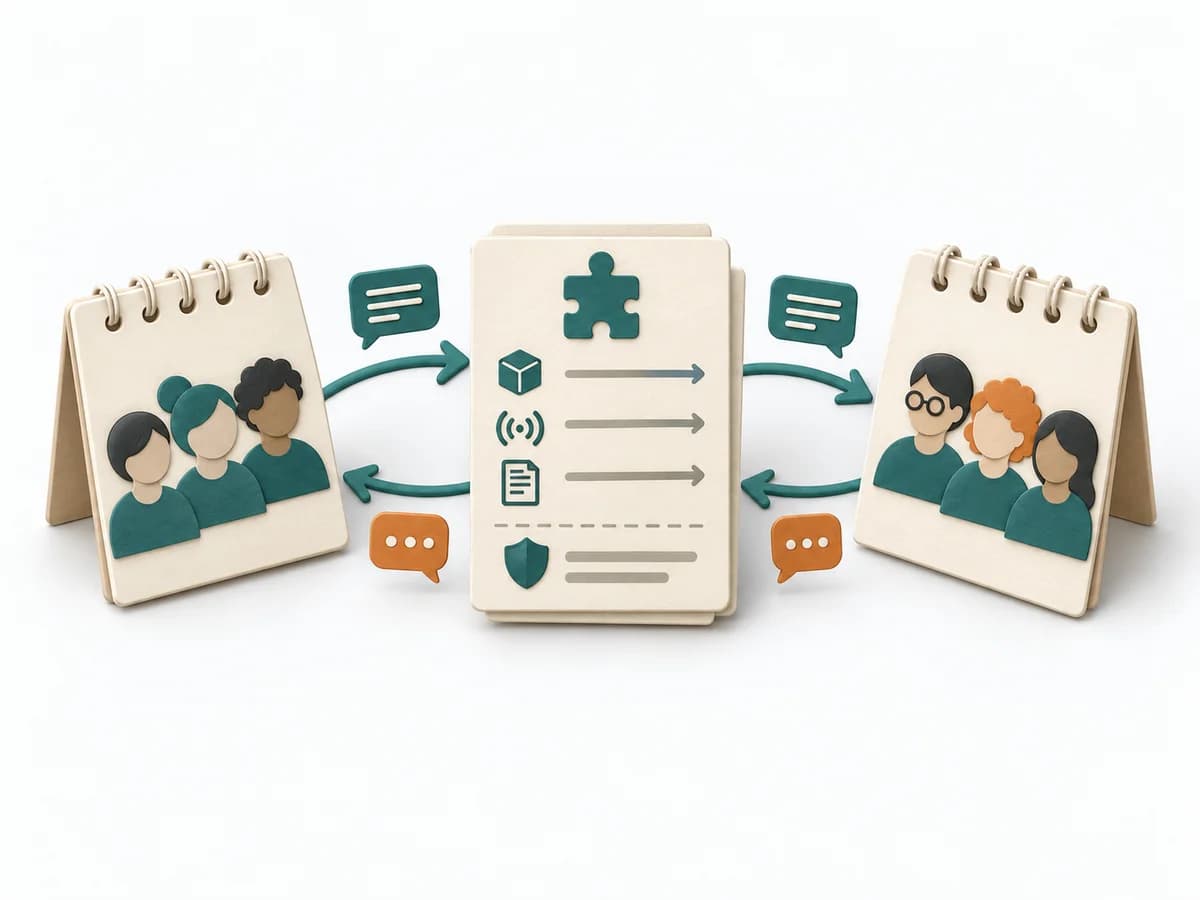 Team Design Team API | 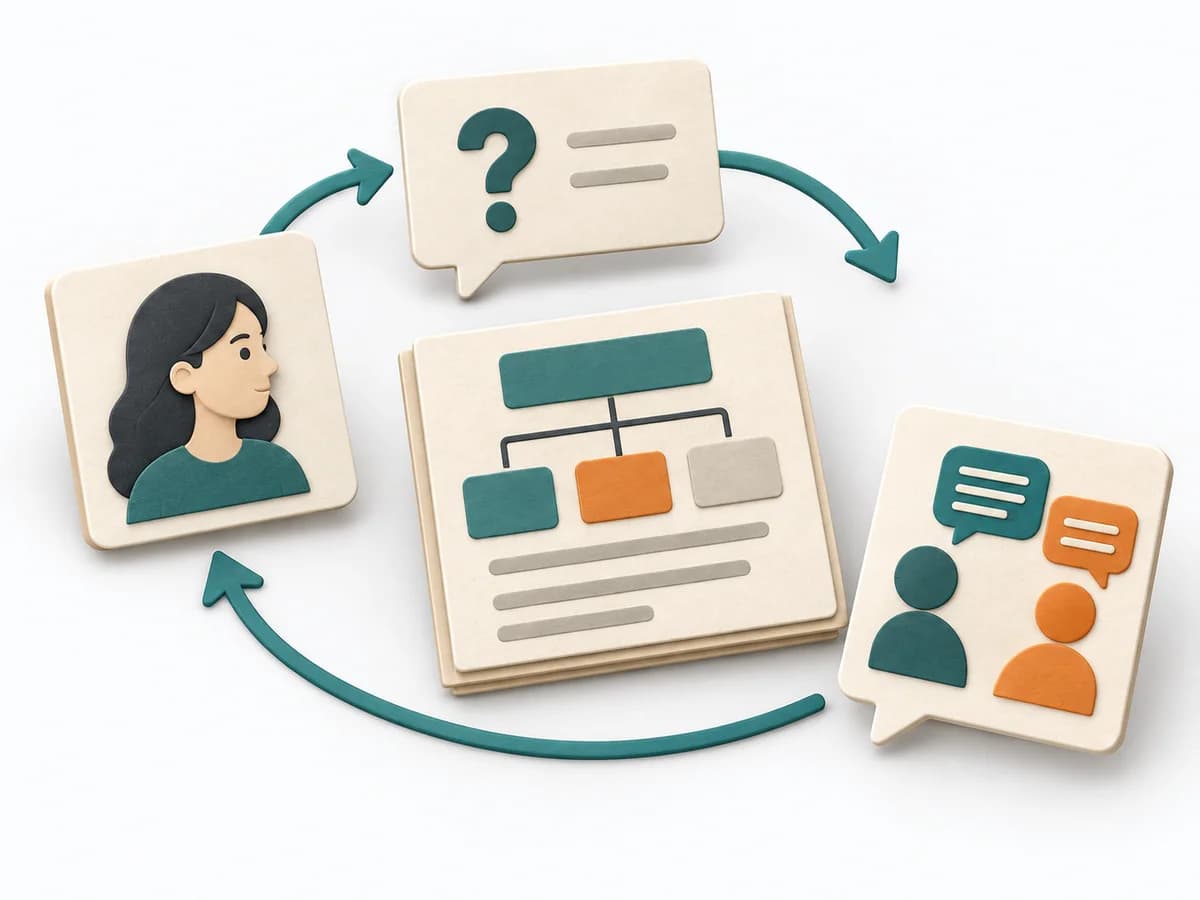 Architecture Architecture Communication Canvas | 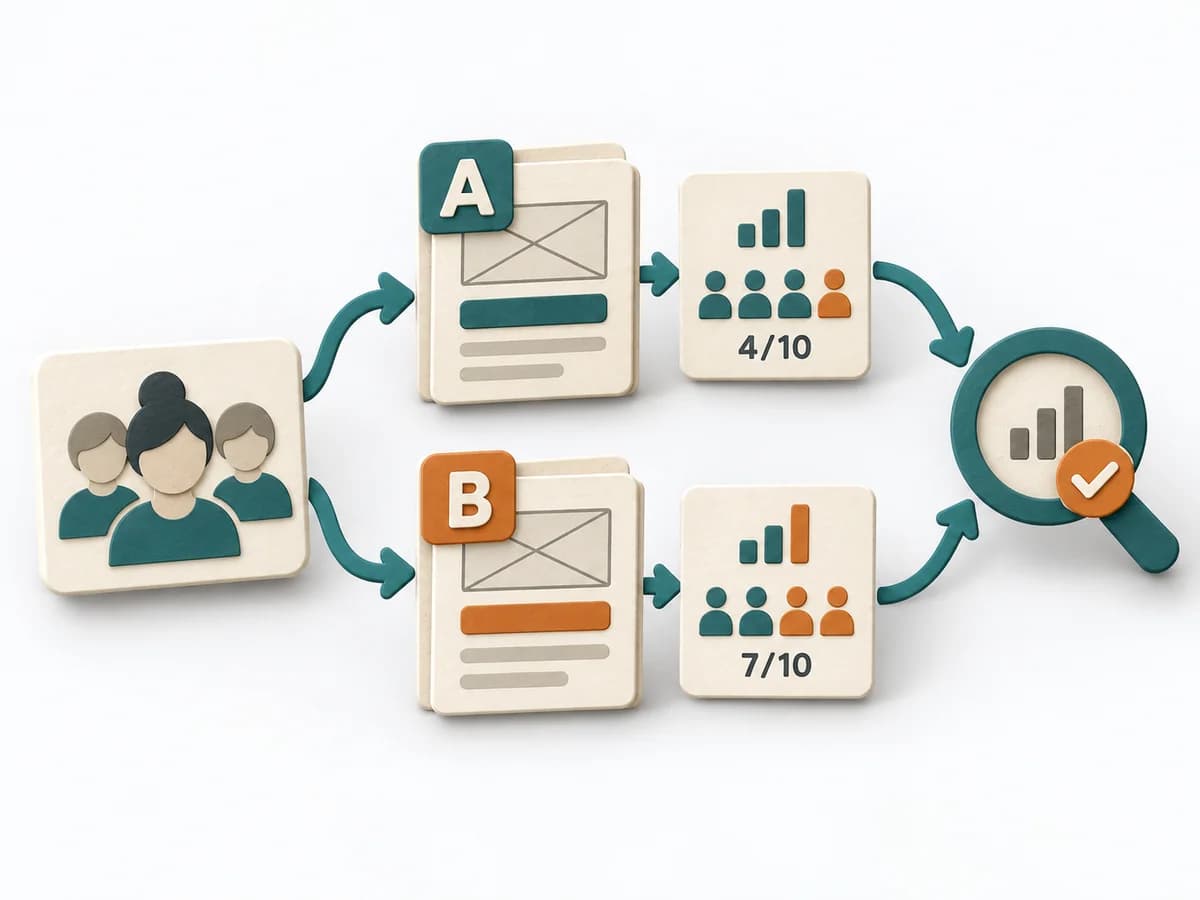 Growth A/B Testing | 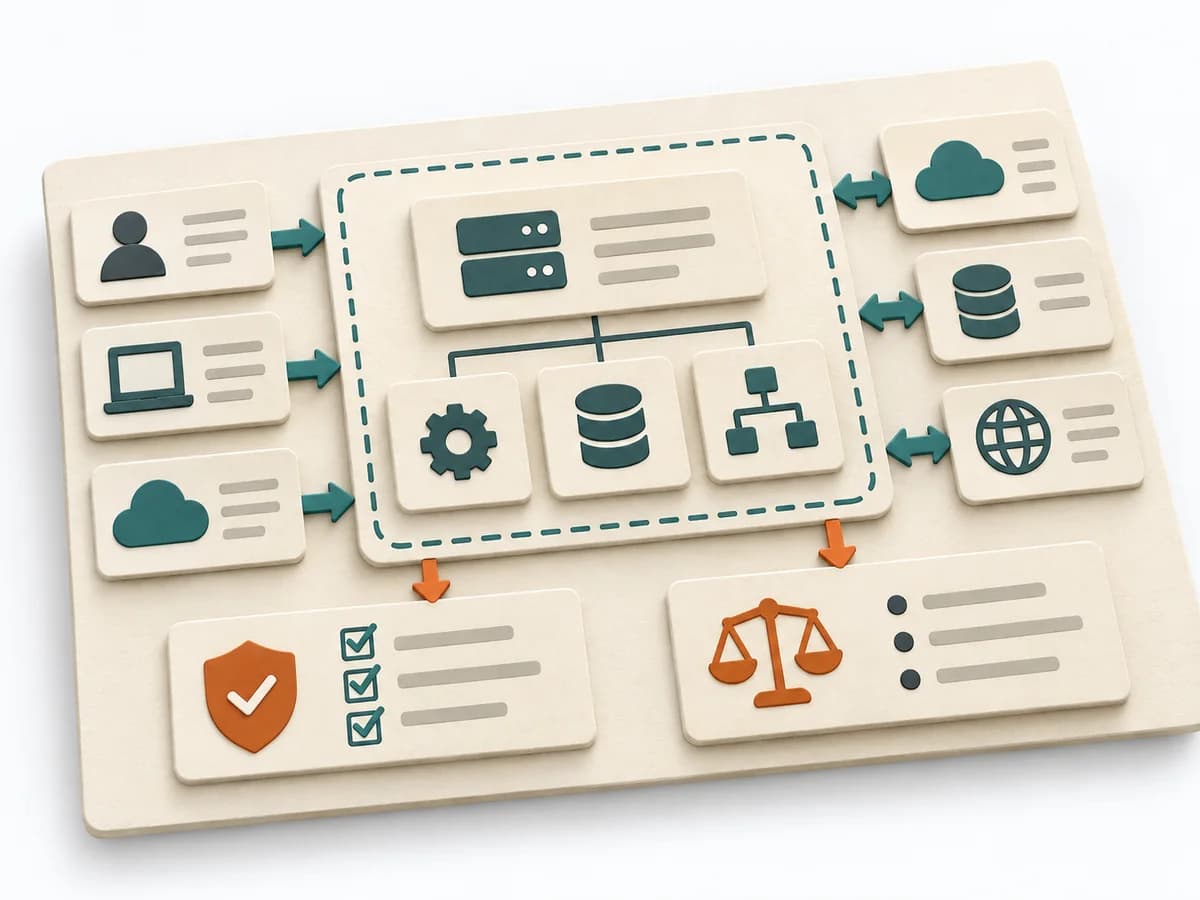 Architecture Software Architecture Canvas |
|---|---|---|---|---|
Purposedifferent | When expectations between teams stay fuzzy, it describes how a team can be reached, used, and held accountable. It clarifies responsibility, interaction, and load between teams. The result is captured as a Team API document. | The Architecture Communication Canvas plans architecture communication so the right people receive the right message. The method turns technical complexity into deliberate communication design. | When two variants compete, discussions quickly decide by taste rather than effect. A/B Testing checks behavior under controlled conditions and separates real improvement from chance or expectation effects. | The Software Architecture Canvas reduces a system to the most important architecture decisions, constraints, and interfaces. It is useful when teams need a resilient overall picture quickly. |
Complexitydifferent | Low | Medium | High | Low |
Timedifferent | Half day initial, dann laufend | 60-120 min | 1-4 Wochen | 1-2 h |
Participantsdifferent | Ein Team plus Stakeholder | 2-8 | 1-6 | 3-10 |
Formatdifferent | Workshop + async | Workshop + async | Async | Workshop |
Outputdifferent | Team API Document | Communication Canvas, Stakeholder Messages, Architecture Communication Plan | Experiment results, Decision log, Learning summary | Architecture Canvas, Goals, Constraints, Quality Attributes |
Tagsno overlap | TeamAlignmentCommunicationService | ArchitectureCommunicationStakeholdersCanvas | ExperimentsGrowthAnalyticsValidation | CanvasArchitectureAlignmentWorkshop |