View methods side by side.
Choose up to four methods. Add them using the search and share the comparison by copying its link.
| Criterion |  Knowledge Modeling Teach-back | 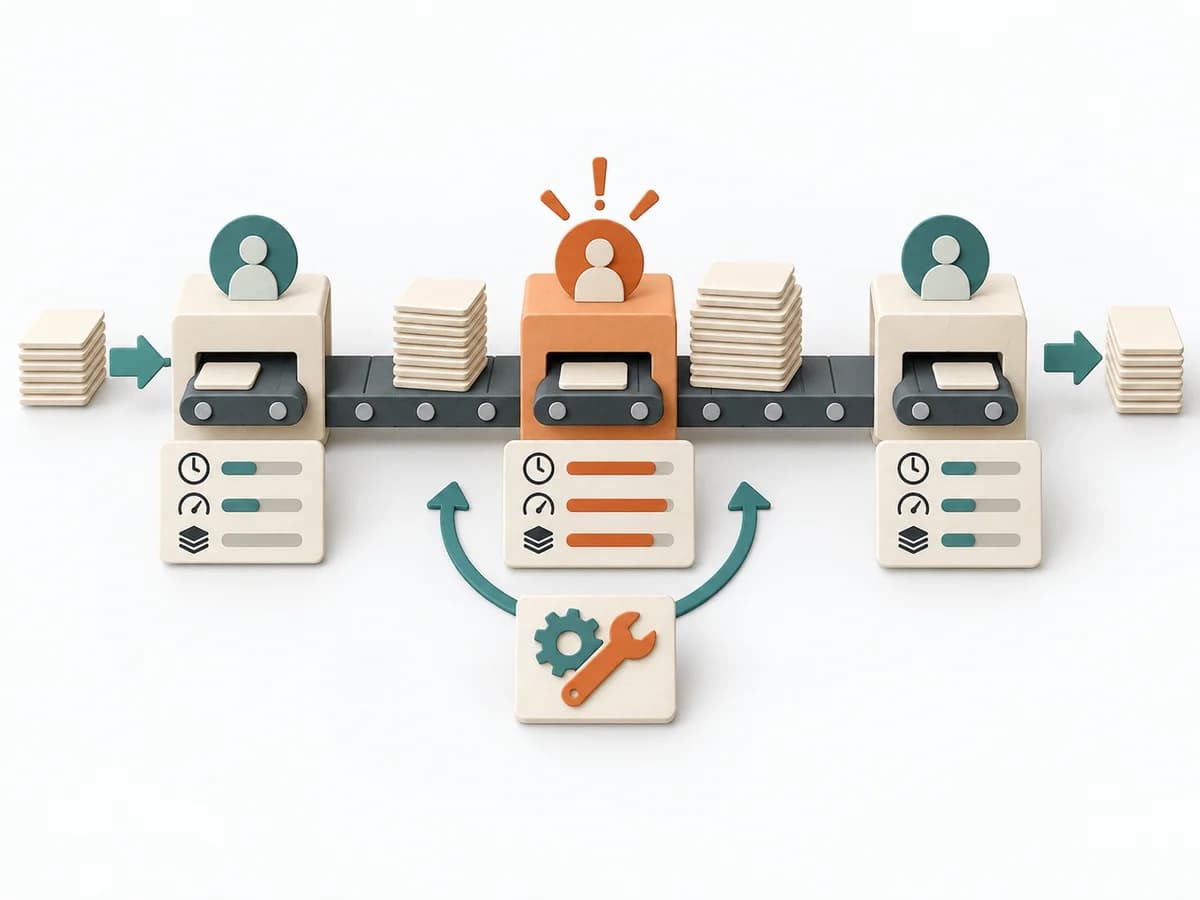 Operations Bottleneck Analysis | 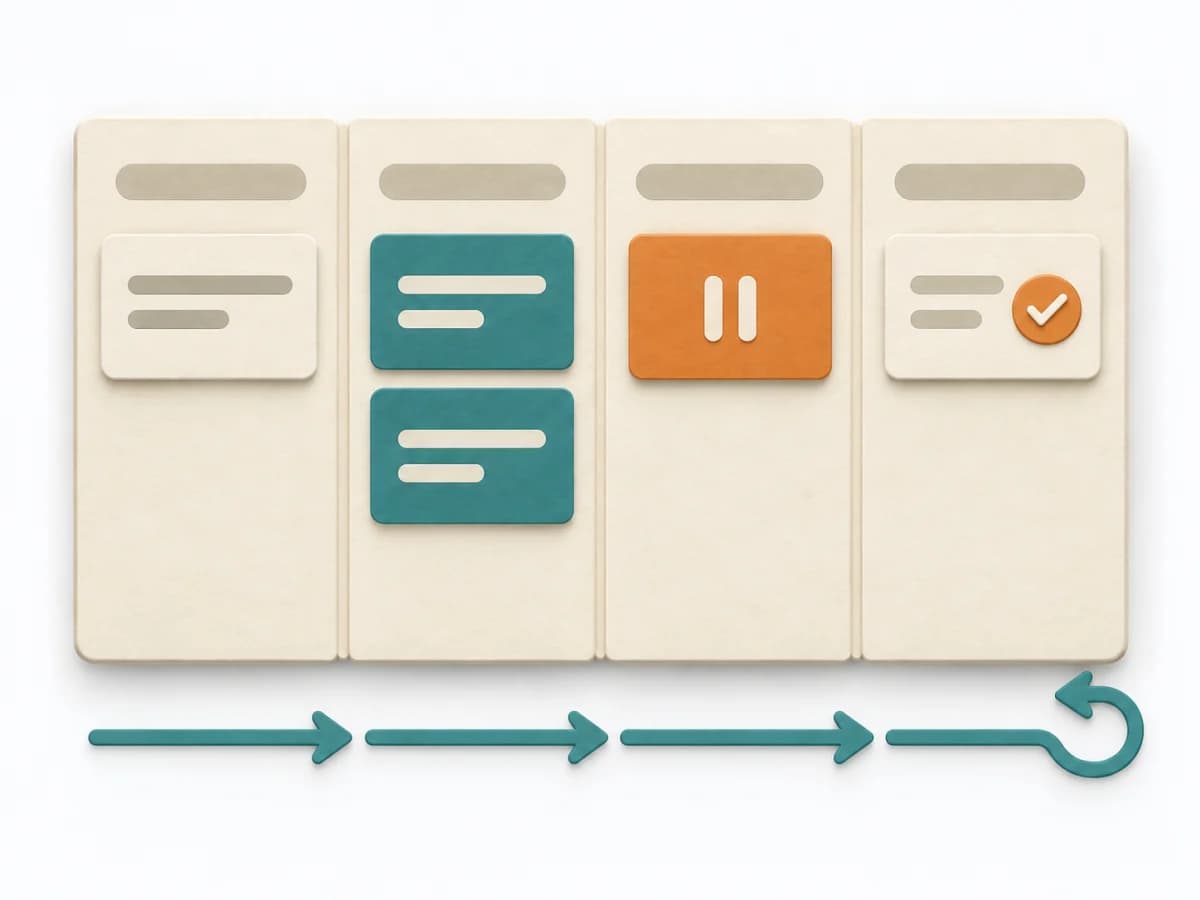 Engineering Kanban | 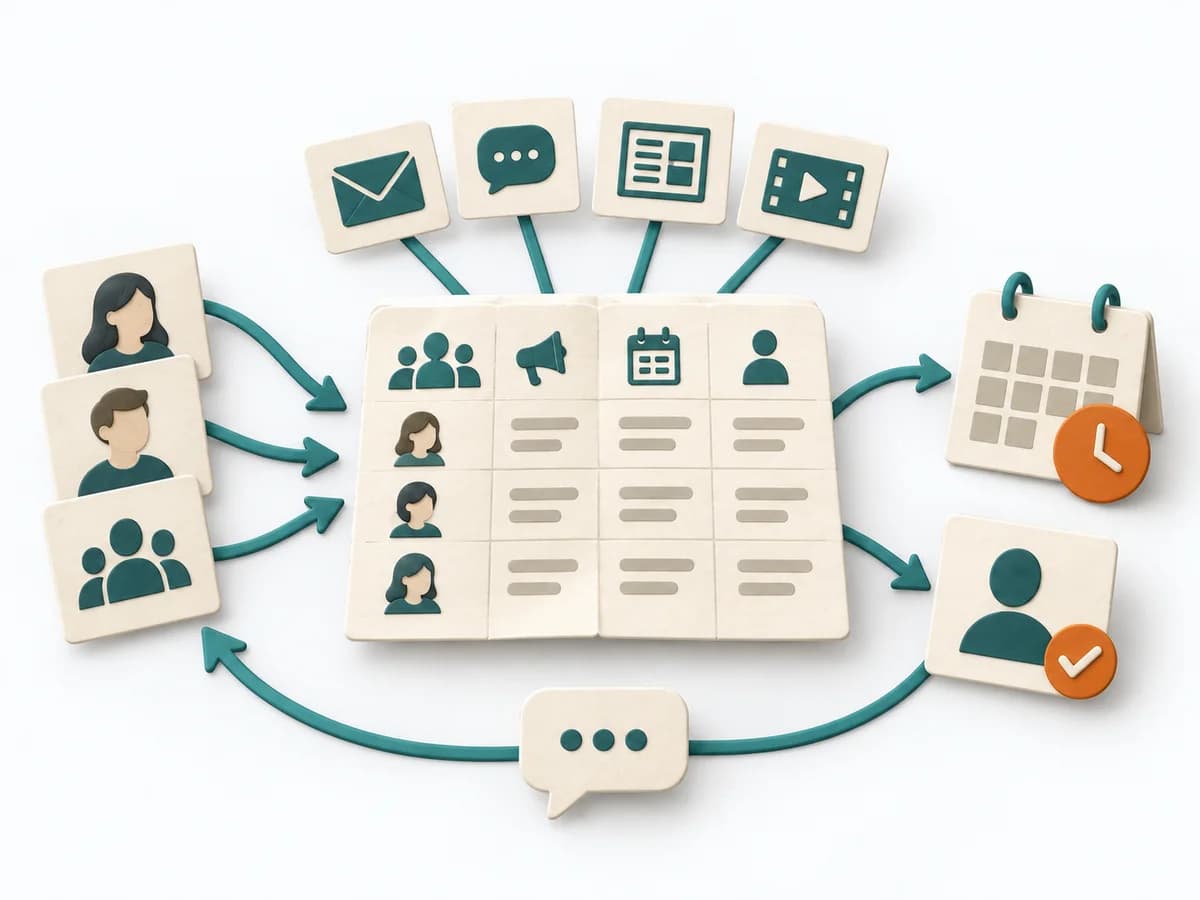 Delivery Communication Plan |
|---|---|---|---|---|
Purposedifferent | Teach-back checks whether an explanation actually got through to the other person. The method makes misunderstandings visible early and strengthens shared understanding in advisory and learning situations. | For a flow that backs up at one point, the method looks for the capacity limit with the greatest leverage. It explains why extra effort elsewhere barely improves throughput. | When work sits in too many parallel streams, throughput suffers and no one sees the bottlenecks. Kanban makes the flow of work visible and limits overload so a system becomes calmer and more predictable. | When many people need to be informed in parallel and messages would otherwise arrive unevenly or too late, a Communication Plan orders communication reliably. Channels, audiences, and cadences interlock so important information doesn't get lost. |
Complexitydifferent | Low | Medium | Medium | Low |
Timedifferent | 5-20 min | 1-3 h | Ongoing | 45-90 min |
Participantsdifferent | 2-8 | 3-8 | 2-12 | 2-6 |
Formatsame | Workshop + async | Workshop + async | Workshop + async | Workshop + async |
Outputdifferent | Understanding Check, Clarification Notes, Learning Gaps | Bottleneck Map, Flow Metrics, Improvement Options, Follow-up Measures | Kanban board, WIP policies, Flow metrics | Communication Plan, Channel Matrix, Message Cadence |
Tagsno overlap | LearningUnderstandingCommunication | FlowMeasurementConstraints | FlowVisual managementDelivery | CommunicationStakeholdersDeliveryPlanning |