View methods side by side.
Choose up to four methods. Add them using the search and share the comparison by copying its link.
| Criterion | 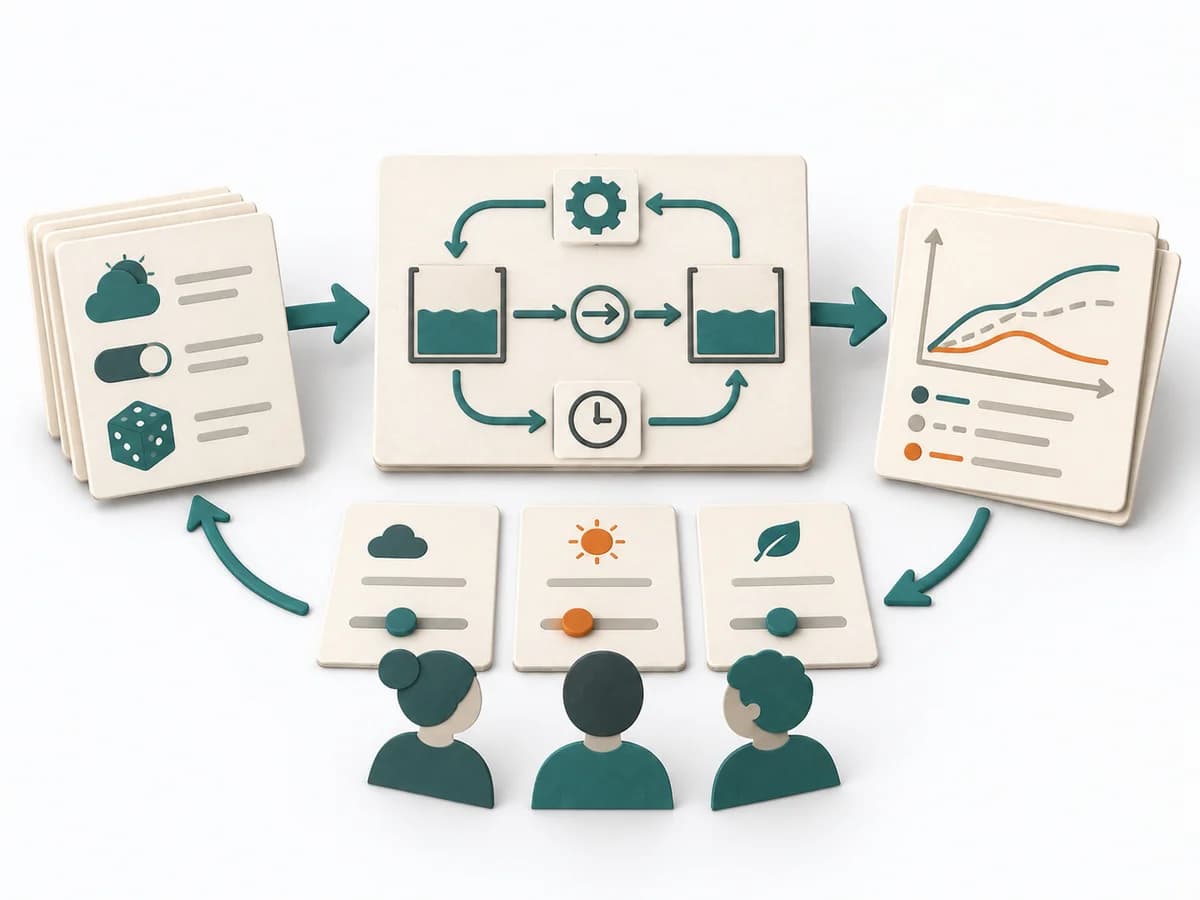 Systems Thinking System Dynamics Simulation | 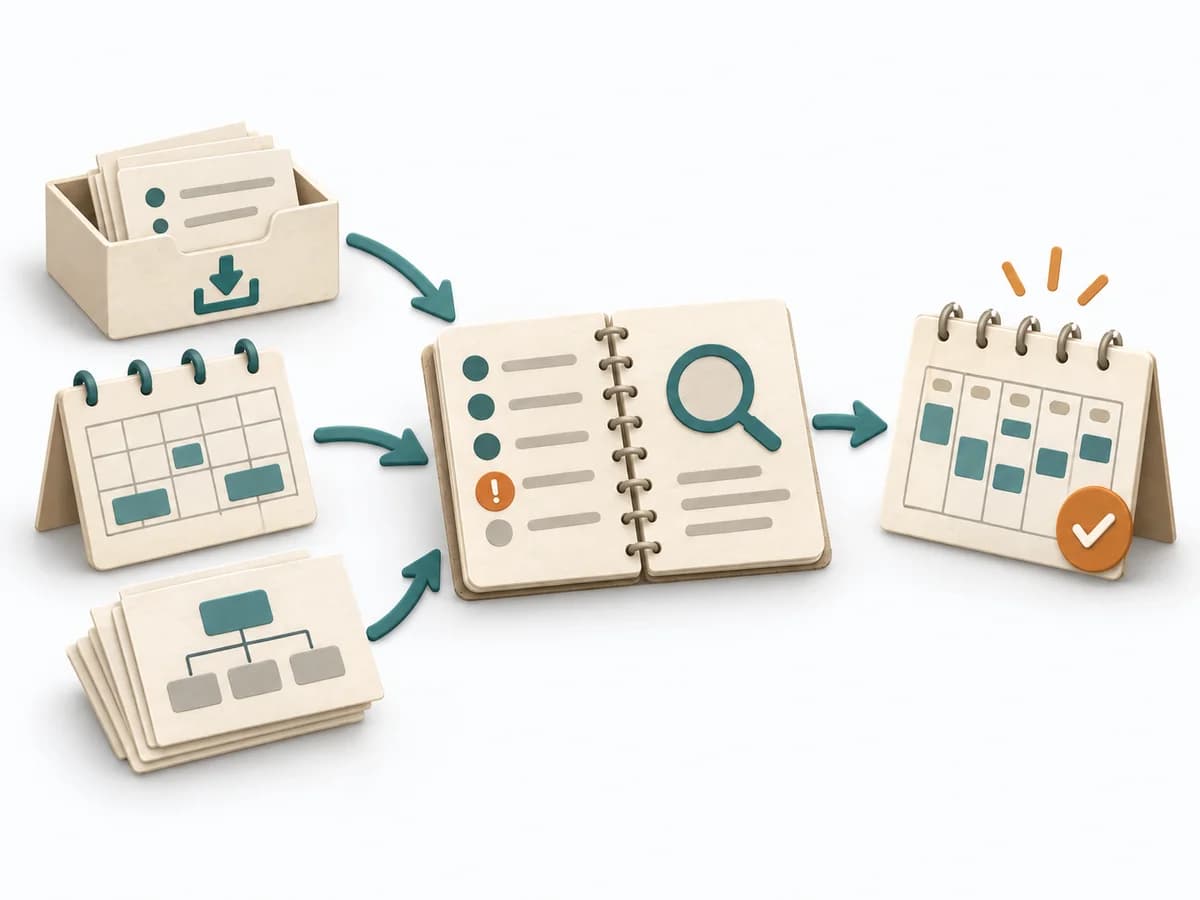 Operations Weekly Review | 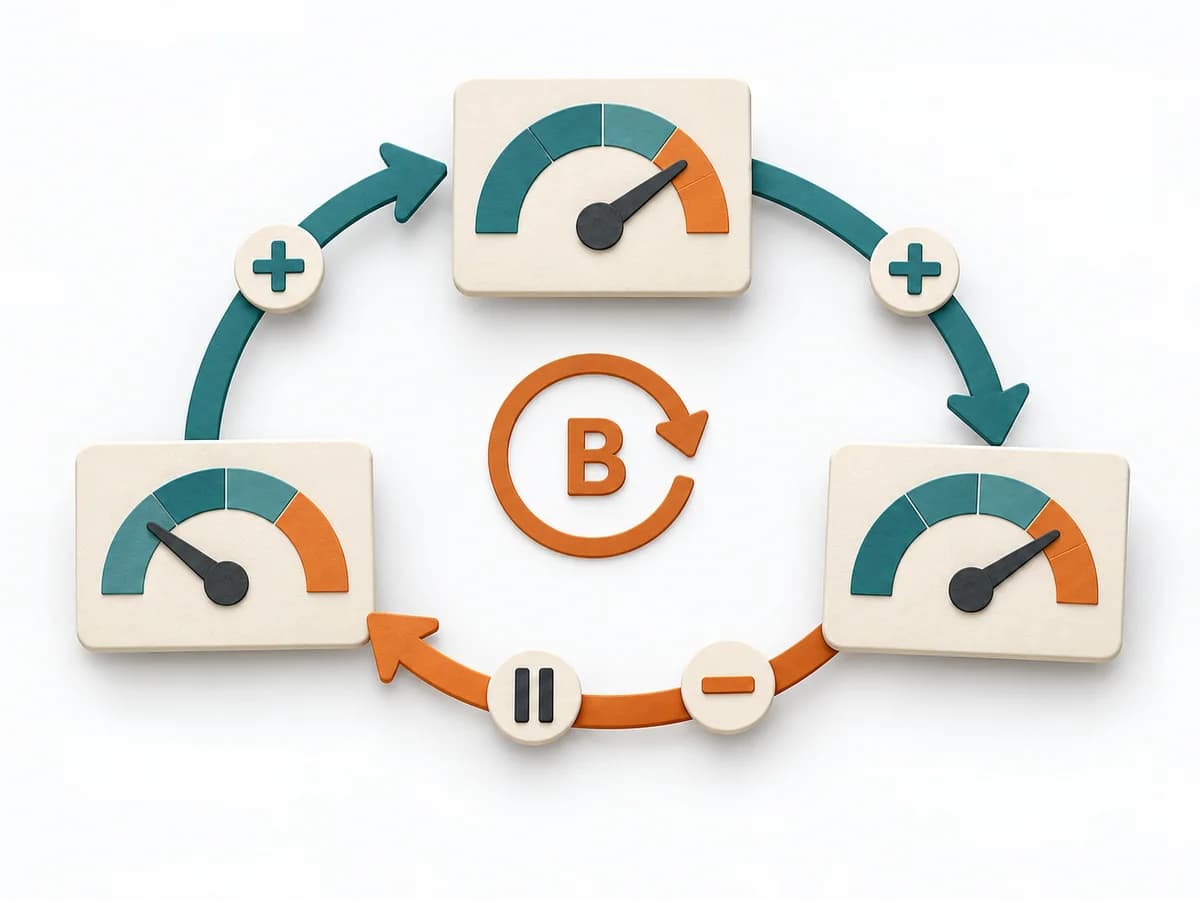 Systems Thinking Causal Loop Diagram | 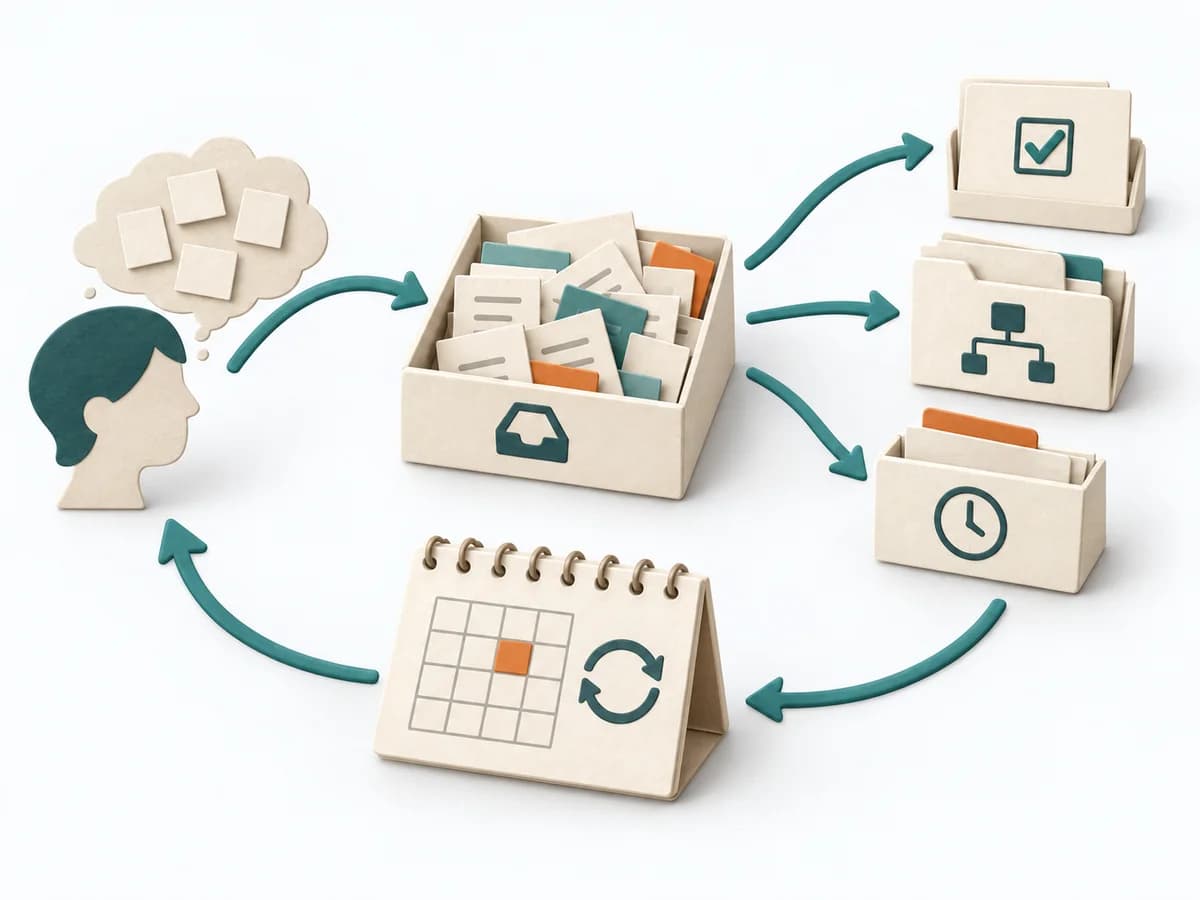 Operations Getting Things Done |
|---|---|---|---|---|
Purposedifferent | System Dynamics Simulation makes assumptions about time, delay, and feedback testable through experiments. It draws relationships, patterns, and feedback loops. The result is captured as a simulation model and scenario reports. | In a week with many open loops, the method creates distance from operational noise. It organizes commitments, calendar, and projects so the next week becomes workable. | A Causal Loop Diagram makes feedback, reinforcement, and balance in a system legible. It uncovers side effects and self-reinforcement that stay hidden in linear explanations. | With many open commitments and ideas in daily life, a reliable external storage system emerges. The method relieves the mind so priority and context don't have to compete in memory. |
Complexitydifferent | High | Low | Medium | Medium |
Timedifferent | Mehrere Tage bis Wochen | 30-60 min | 1-3 h | 1-2 h Setup, laufend |
Participantsdifferent | 1-5 Modellierende, Stakeholder asynchron | 1 | 2-8 | 1 |
Formatdifferent | Async | Async | Workshop | Async |
Outputdifferent | Simulation Model, Scenario Reports | Updated Task System, Weekly Focus, Next Actions | Causal Loop Diagram, Feedback Notes, Leverage Points | Action Lists, Project List, Review Routine |
Tagsno overlap | Systems thinkingDynamicsSimulationAnalysis | ProductivityExecutionPlanning | FeedbackSystems thinkingCausalityDynamics | ProductivityPlanningTasksExecution |