View methods side by side.
Choose up to four methods. Add them using the search and share the comparison by copying its link.
| Criterion | 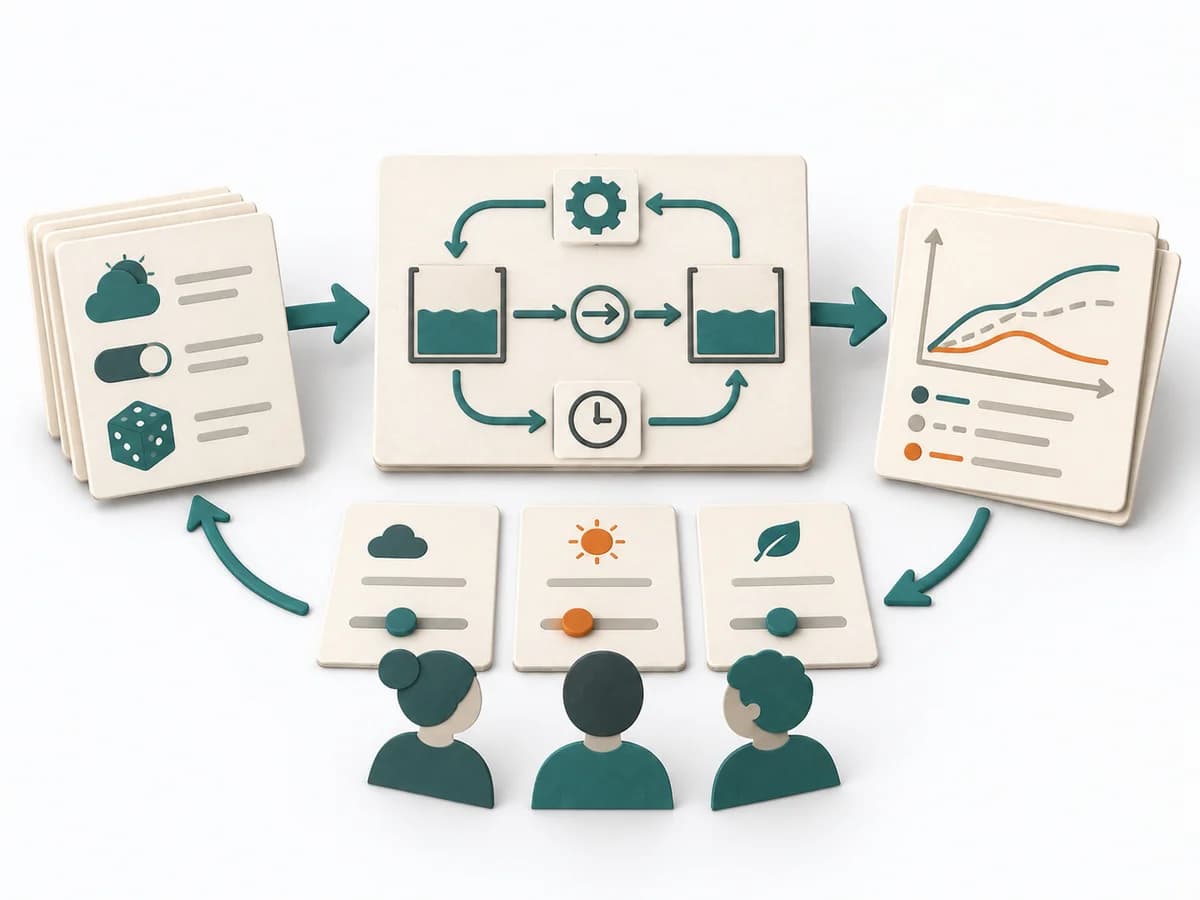 Systems Thinking System Dynamics Simulation |  Systems Thinking CATWOE Analysis |  Facilitation Alignment Mapping | 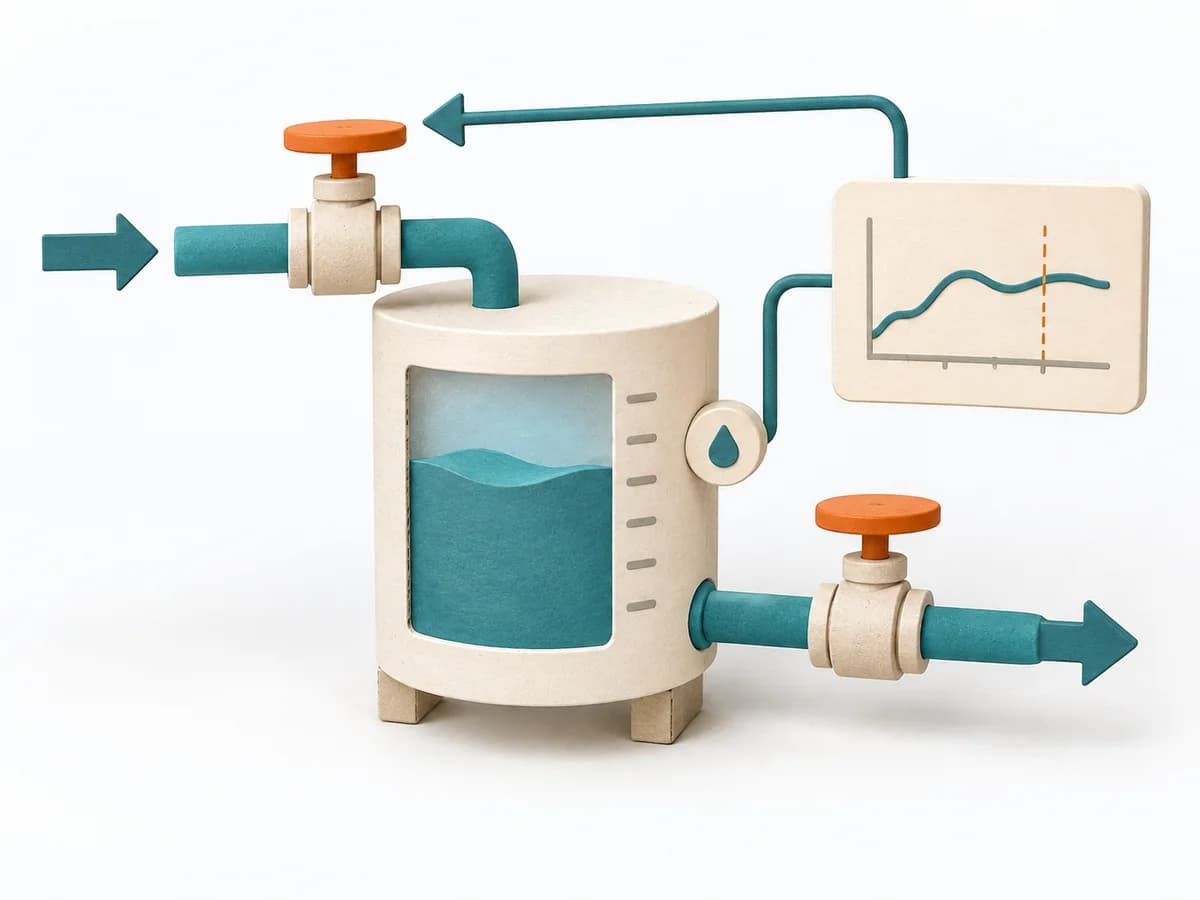 Systems Thinking Stock and Flow Diagram |
|---|---|---|---|---|
Purposedifferent | System Dynamics Simulation makes assumptions about time, delay, and feedback testable through experiments. It draws relationships, patterns, and feedback loops. The result is captured as a simulation model and scenario reports. | CATWOE structures a problem from six viewpoints and prevents too narrow a view of the situation. Different experiences of the system become comparably discussable this way. | When several people work toward one goal but hold different mental maps, Alignment Mapping makes the discrepancies visible. It arranges goals, assumptions, and priorities so shared direction becomes verifiable. | A Stock and Flow Diagram shows how stocks, inflows, and outflows shape a system over time. It is especially suited when growth, delays, or capacity limits determine the dynamics. |
Complexitydifferent | High | Medium | Medium | High |
Timedifferent | Mehrere Tage bis Wochen | 45-90 min | 1-2 h | 2-6 h |
Participantsdifferent | 1-5 Modellierende, Stakeholder asynchron | 3-8 | 4-12 | 1-6 |
Formatdifferent | Async | Workshop + async | Workshop | Workshop + async |
Outputdifferent | Simulation Model, Scenario Reports | CATWOE Canvas, Root Definition, Stakeholder Perspectives, Constraints | Alignment Map, Open Issues, Decision Questions | Stock and Flow Model, Dynamics Notes, Simulation Hypotheses |
Tagsno overlap | Systems thinkingDynamicsSimulationAnalysis | Systems thinkingFramingStakeholders | AlignmentStakeholdersStrategyFacilitation | DynamicsSimulationFeedbackSystems thinking |