View methods side by side.
Choose up to four methods. Add them using the search and share the comparison by copying its link.
| Criterion |  Systems Thinking System Dynamics Simulation |  Operations 5 Whys | 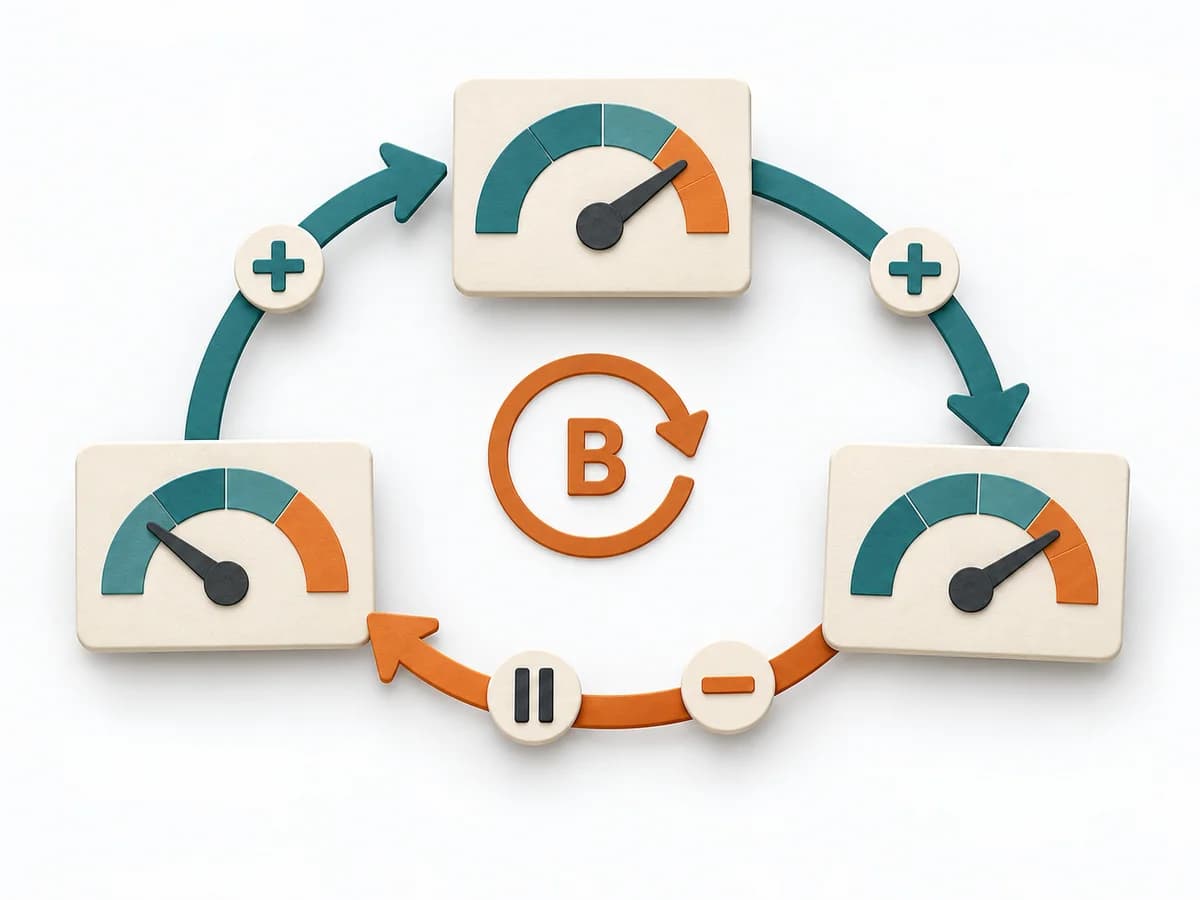 Systems Thinking Causal Loop Diagram | 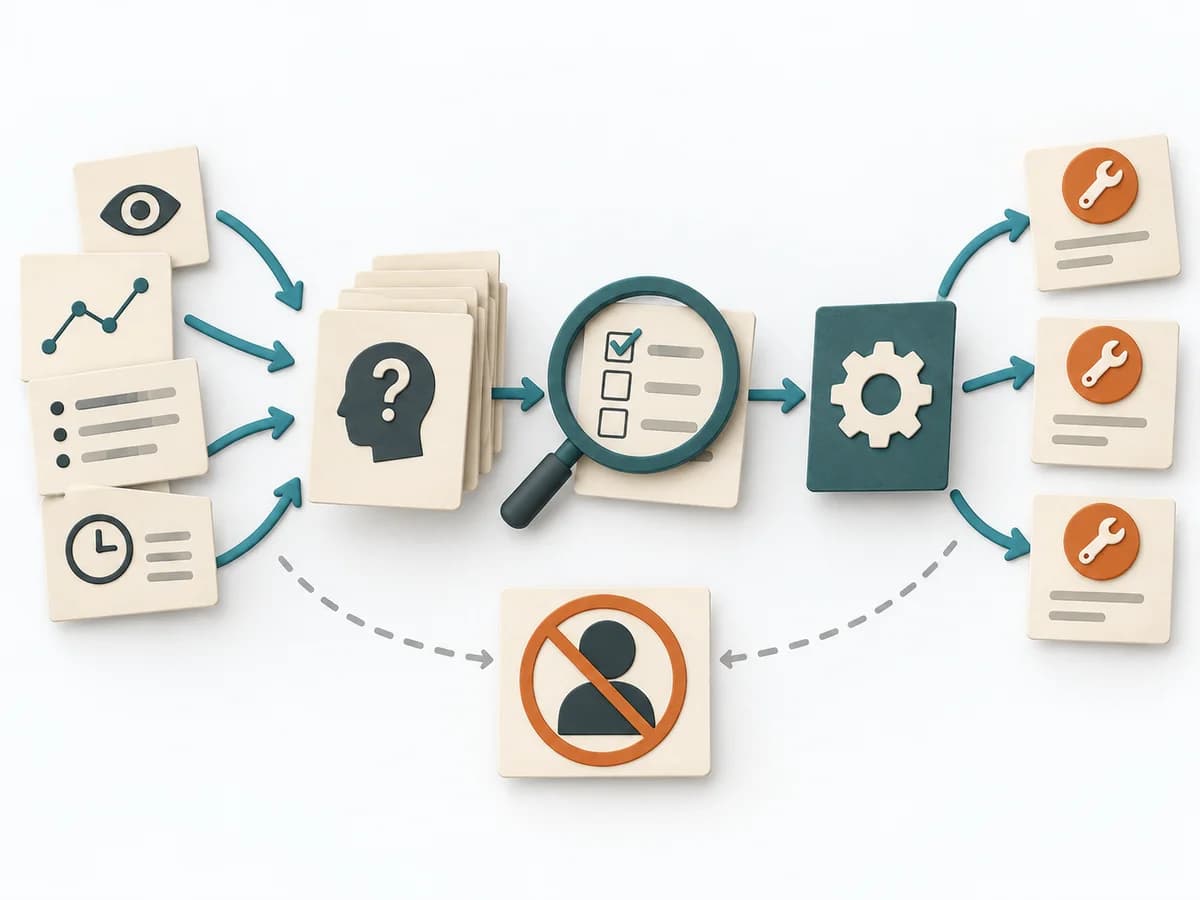 Operations Root Cause Analysis |
|---|---|---|---|---|
Purposedifferent | System Dynamics Simulation makes assumptions about time, delay, and feedback testable through experiments. It draws relationships, patterns, and feedback loops. The result is captured as a simulation model and scenario reports. | For a single, hard-to-explain deviation, the method exposes the causal chain behind the visible symptom. It keeps the cause open until a controllable condition emerges instead of a mere description. | A Causal Loop Diagram makes feedback, reinforcement, and balance in a system legible. It uncovers side effects and self-reinforcement that stay hidden in linear explanations. | When a problem keeps recurring and the cause stays unclear, the method exposes the underlying mechanism. It separates symptom, guess, and robust explanation from one another. |
Complexitydifferent | High | Low | Medium | Medium |
Timedifferent | Mehrere Tage bis Wochen | 15-30 min | 1-3 h | 1-4 h |
Participantsdifferent | 1-5 Modellierende, Stakeholder asynchron | 2-6 | 2-8 | 3-8 |
Formatdifferent | Async | Workshop | Workshop | Workshop + async |
Outputdifferent | Simulation Model, Scenario Reports | Root cause notes, Countermeasures | Causal Loop Diagram, Feedback Notes, Leverage Points | Problem Statement, Cause Hypotheses, Confirmed Causes, Action Plan |
Tagsno overlap | Systems thinkingDynamicsSimulationAnalysis | Root causeIncidentLeanProblem solving | FeedbackSystems thinkingCausalityDynamics | Root causeProblem solvingQualityIncident |