View methods side by side.
Choose up to four methods. Add them using the search and share the comparison by copying its link.
| Criterion | 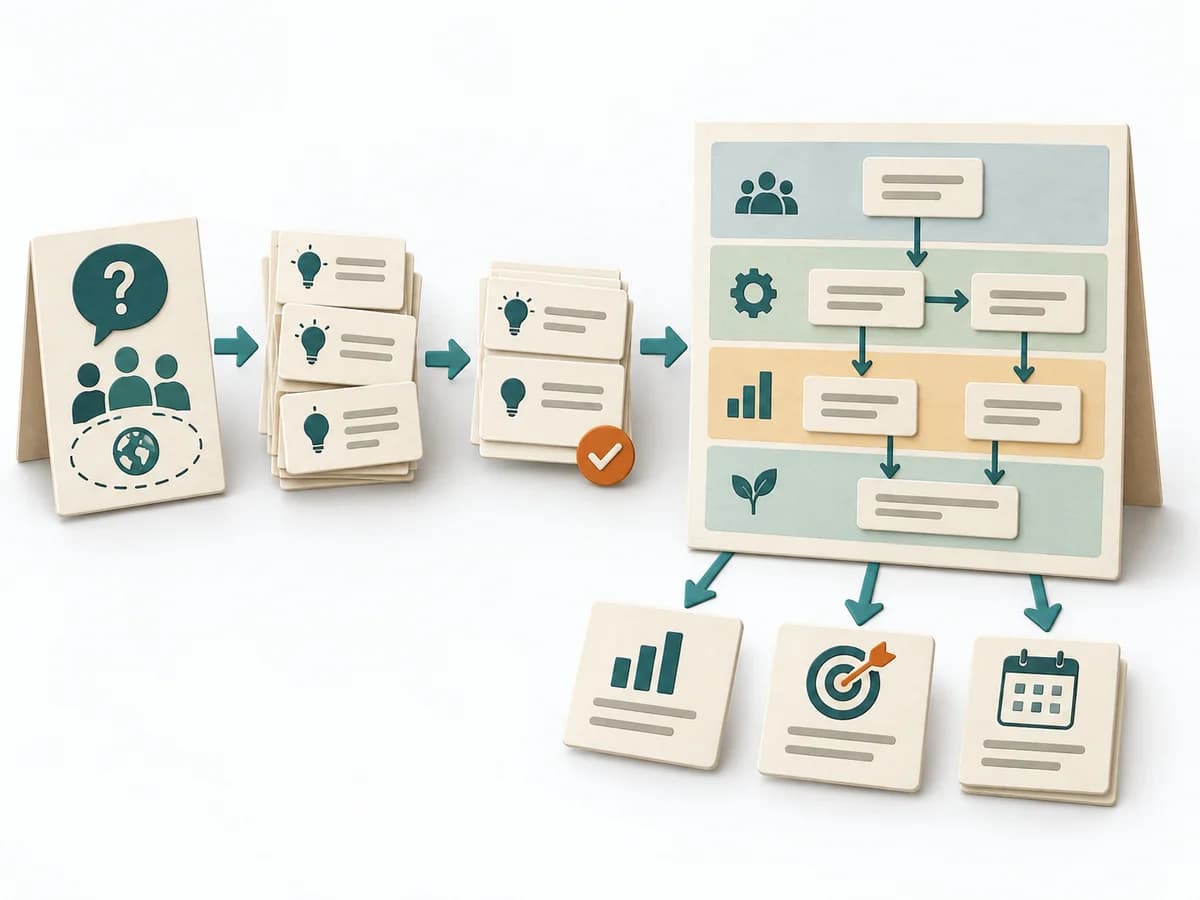 Business Strategy Strategy Map | 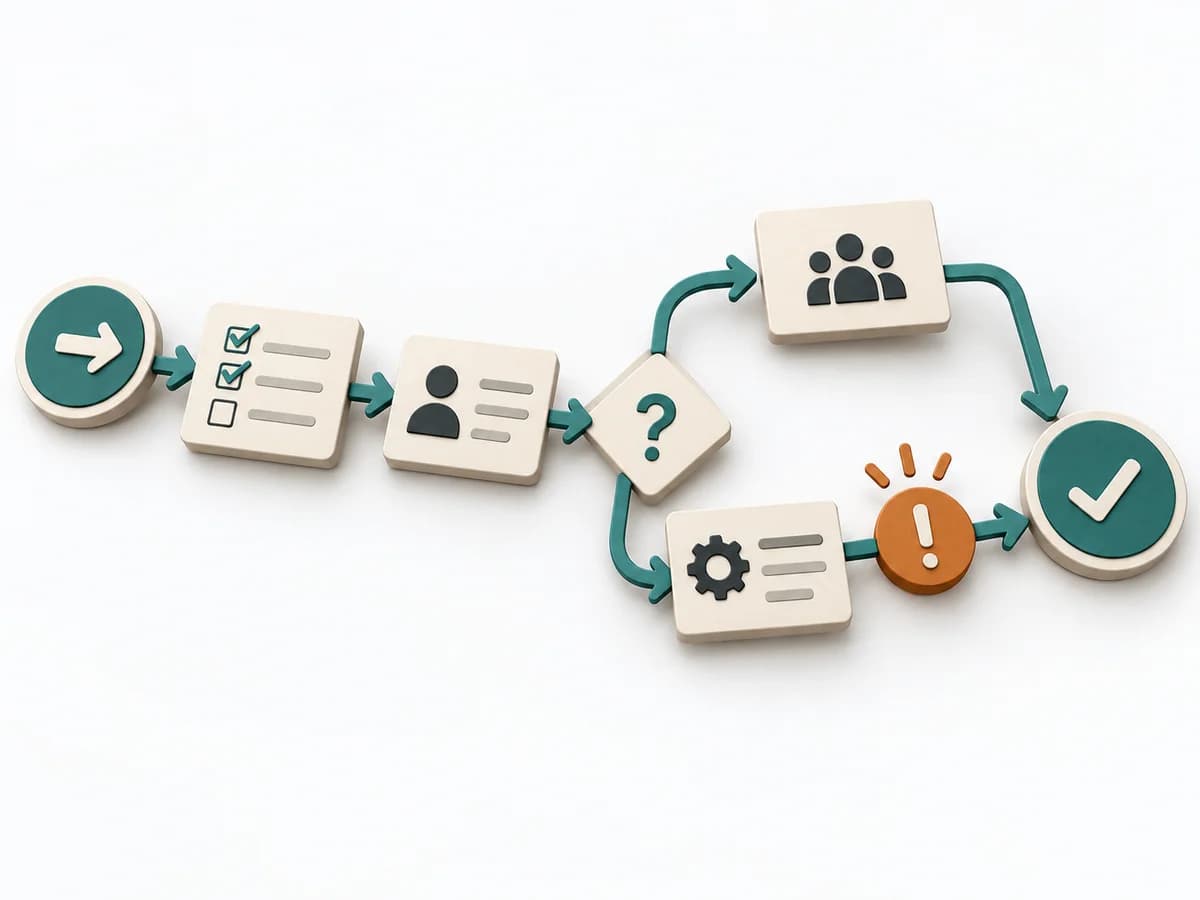 Operations Process Mapping | 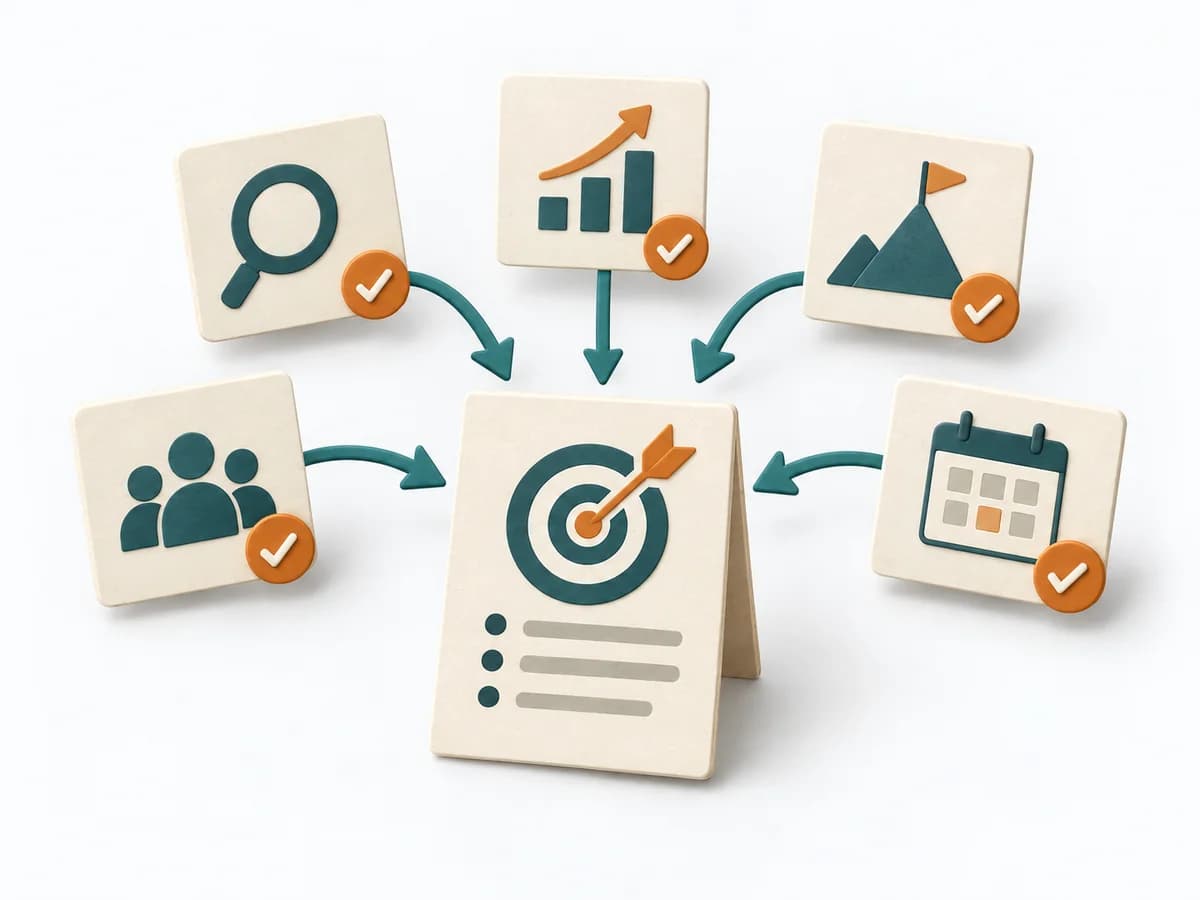 Product Strategy SMART Goals |  Operations After-Action Review |
|---|---|---|---|---|
Purposedifferent | A Strategy Map translates strategy into a few connected objectives across perspectives such as finance, customers, processes, and learning. This makes visible which capabilities and activities are meant to drive which results. | With a confusing workflow that has many handoffs, the method makes the actual process visible. It shows where work is passed on, delayed, or duplicated, so improvement targets the right spots. | When goals are formulated too generally, it brings measurability, direction, and timing into shape. It prevents intentions from staying without clear verification. | After missions or project phases with unclear outcomes, the method makes visible what actually happened and what can be learned from it. It separates course, effect, and causes so experience turns into solid improvement. |
Complexitydifferent | Medium | Medium | Low | Low |
Timedifferent | 2-4 h workshop plus review | 1-3 h | 15-30 min | 20-45 min |
Participantsdifferent | 4-10 | 3-10 | 1-8 | 3-12 |
Formatdifferent | Workshop | Workshop | Workshop + async | Workshop + async |
Outputdifferent | Strategy Map, Objective Set, Cause-Effect Hypotheses | Process Map, Handoff List, Improvement Backlog | SMART Goal, Measurement Note, Deadline | Lessons learned, Action items, Event summary |
Tagsno overlap | AlignmentExecutionGoalsCausality | ProcessOperationsImprovement | GoalsPlanningMeasurementAlignment | LearningOperationsImprovement |