View methods side by side.
Choose up to four methods. Add them using the search and share the comparison by copying its link.
| Criterion | 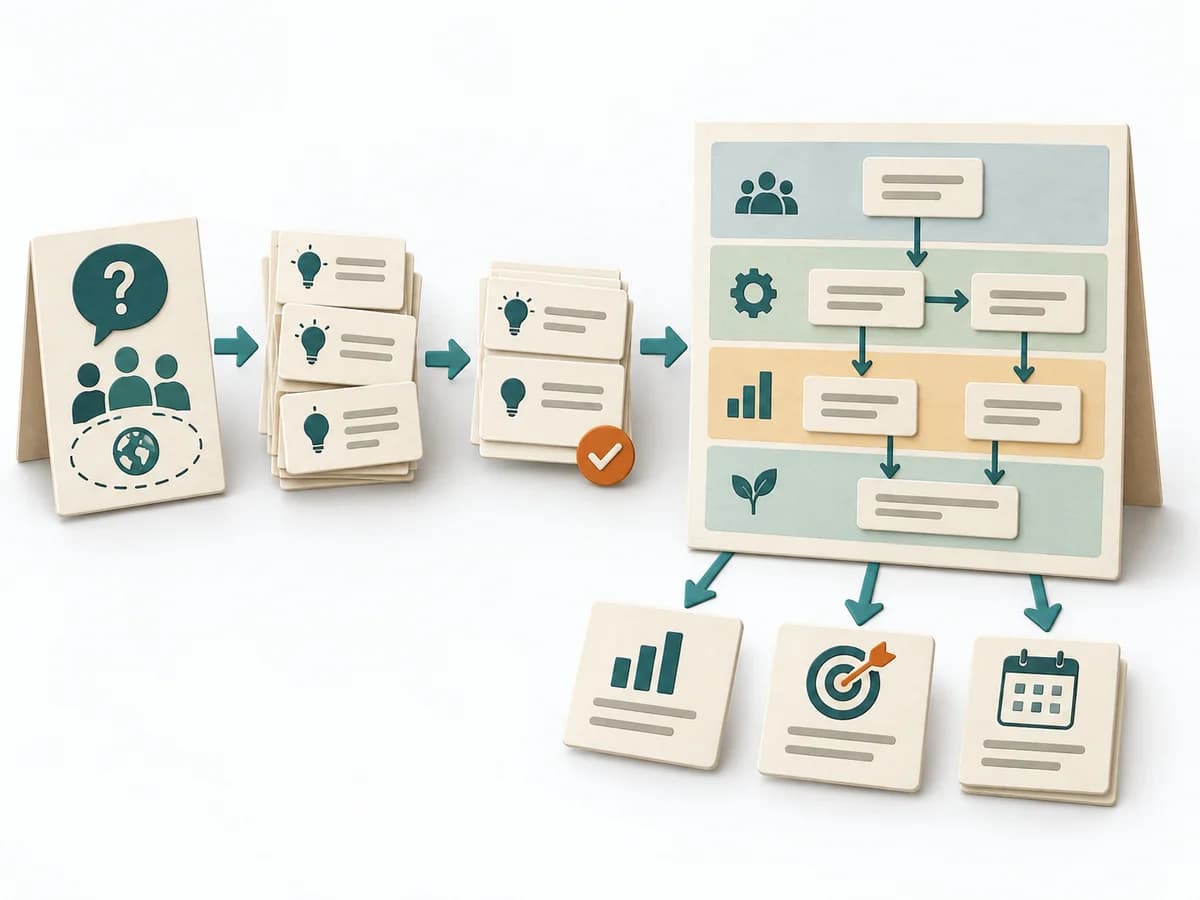 Business Strategy Strategy Map | 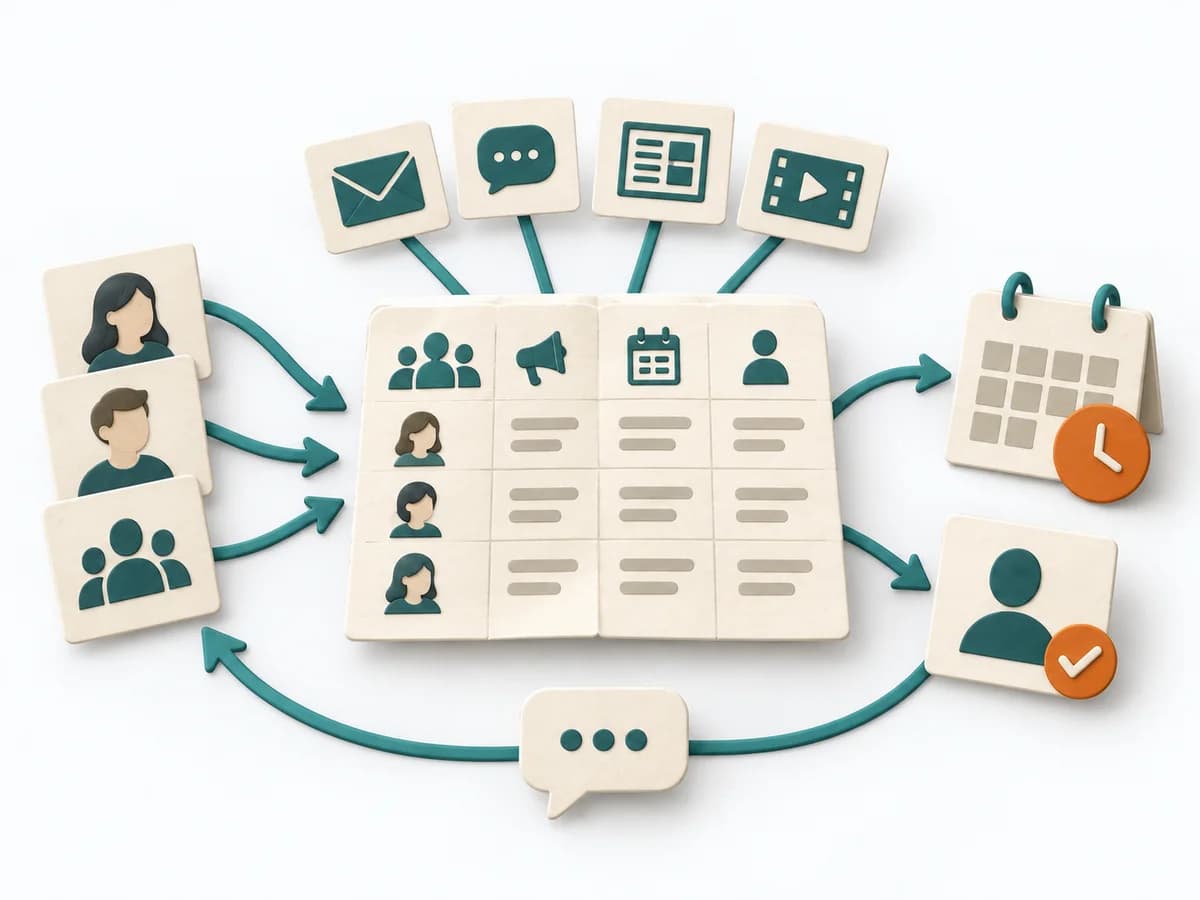 Delivery Communication Plan |  Facilitation Stakeholder Mapping | 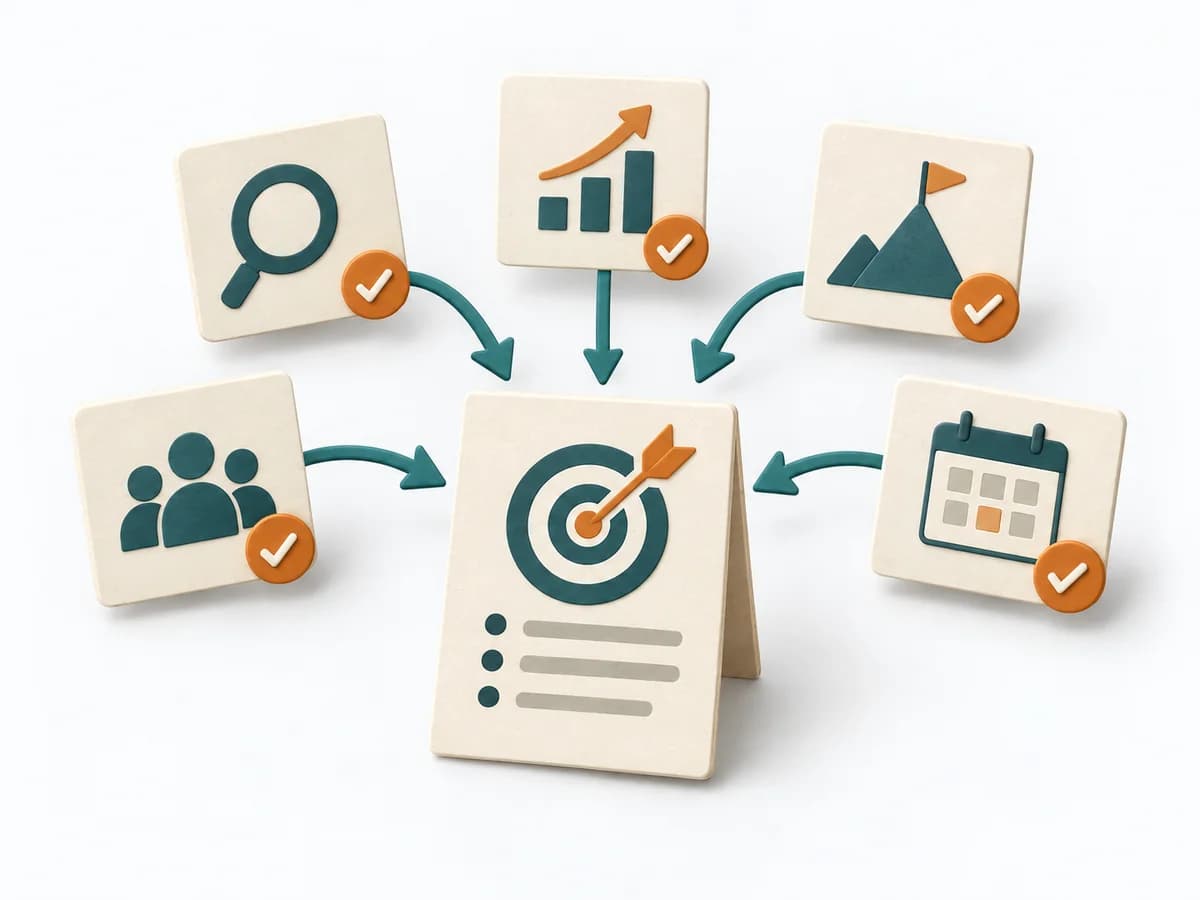 Product Strategy SMART Goals |
|---|---|---|---|---|
Purposedifferent | A Strategy Map translates strategy into a few connected objectives across perspectives such as finance, customers, processes, and learning. This makes visible which capabilities and activities are meant to drive which results. | When many people need to be informed in parallel and messages would otherwise arrive unevenly or too late, a Communication Plan orders communication reliably. Channels, audiences, and cadences interlock so important information doesn't get lost. | When an initiative depends on many people, interests, and power dynamics, Stakeholder Mapping systematically orders the environment. It shows who influences, who is affected, and where relationship management or safeguarding matters first. | When goals are formulated too generally, it brings measurability, direction, and timing into shape. It prevents intentions from staying without clear verification. |
Complexitydifferent | Medium | Low | Low | Low |
Timedifferent | 2-4 h workshop plus review | 45-90 min | 60–90 min | 15-30 min |
Participantsdifferent | 4-10 | 2-6 | 2-8 | 1-8 |
Formatdifferent | Workshop | Workshop + async | Workshop + async | Workshop + async |
Outputdifferent | Strategy Map, Objective Set, Cause-Effect Hypotheses | Communication Plan, Channel Matrix, Message Cadence | Stakeholder Map, Engagement Plan, Risk Notes | SMART Goal, Measurement Note, Deadline |
Tagsno overlap | AlignmentExecutionGoalsCausality | CommunicationStakeholdersDeliveryPlanning | StakeholdersAlignmentFacilitationChange | GoalsPlanningMeasurementAlignment |