View methods side by side.
Choose up to four methods. Add them using the search and share the comparison by copying its link.
| Criterion | 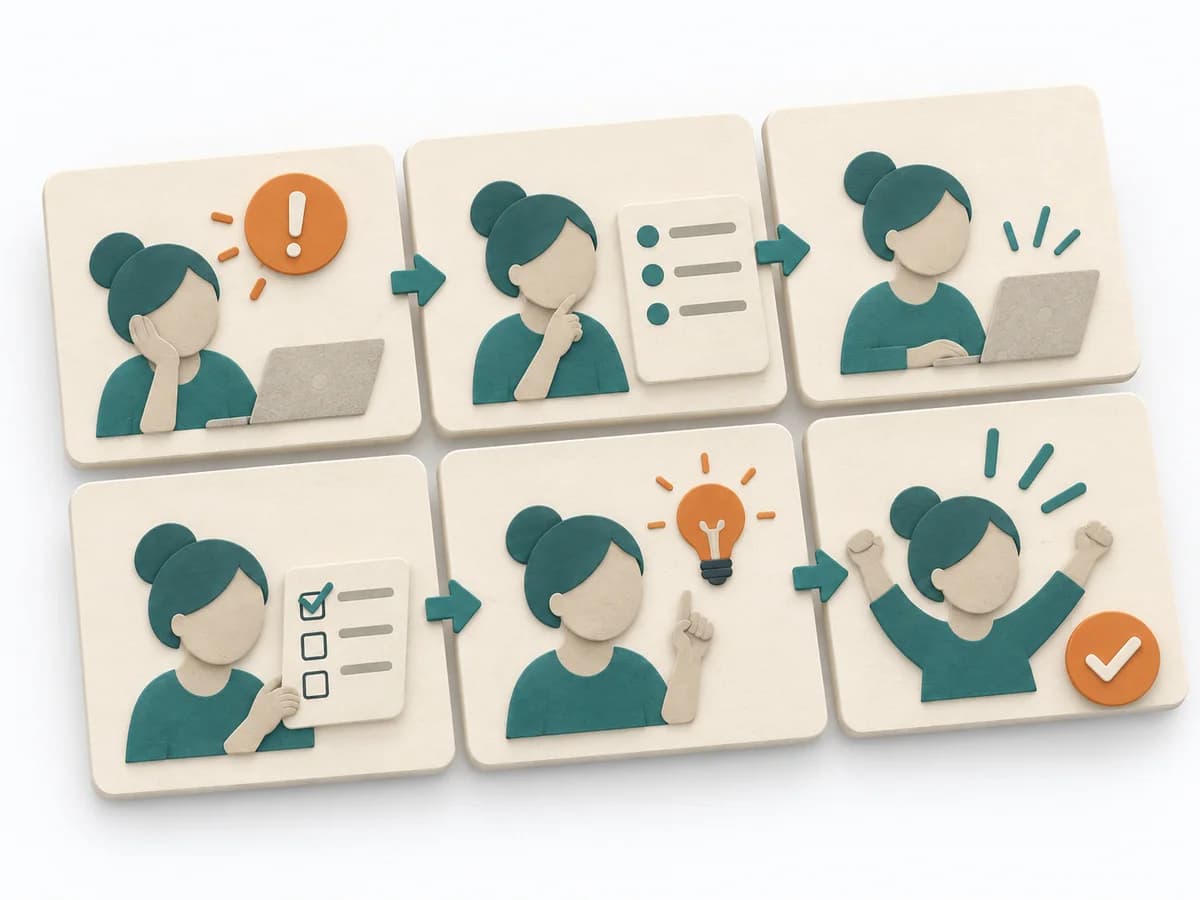 UX Design Storyboarding |  UX Research Usability Testing | 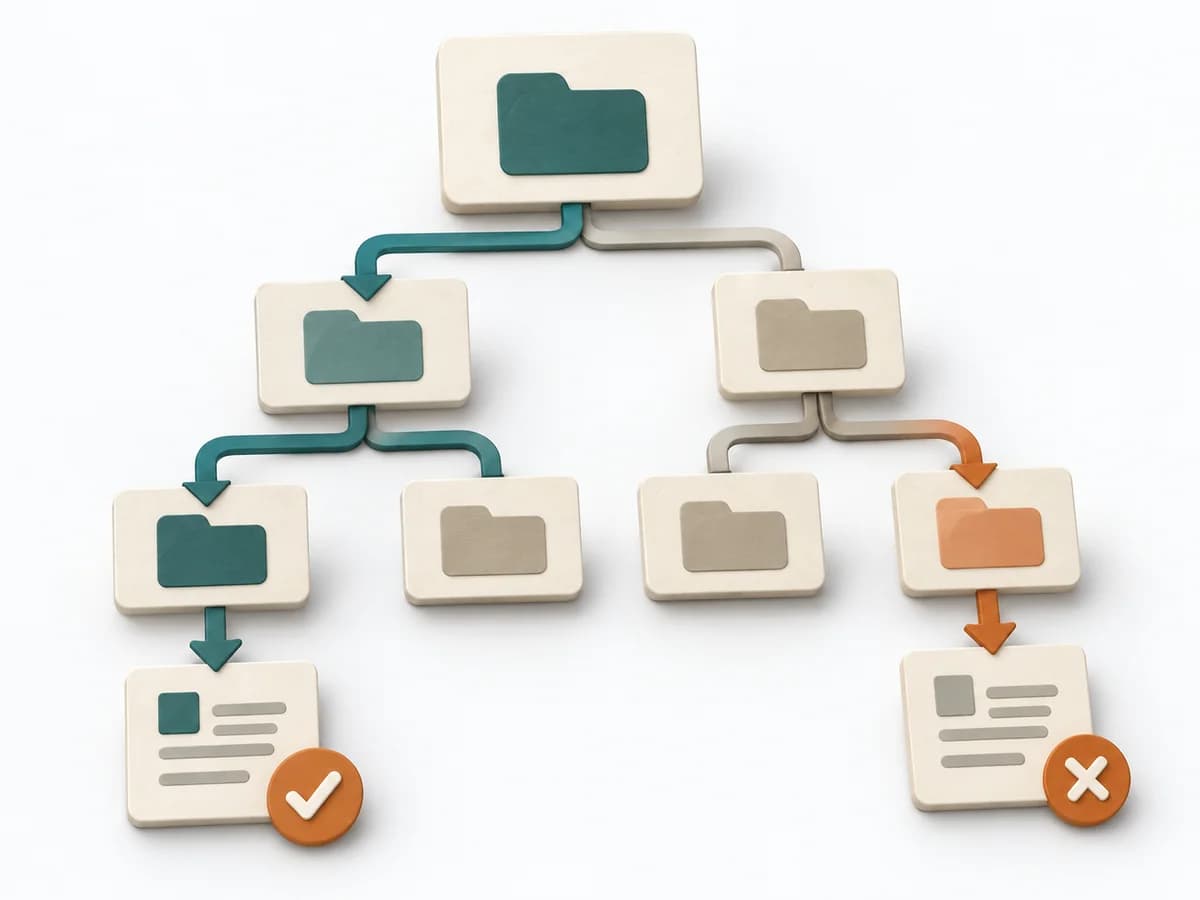 UX Research Tree Testing | 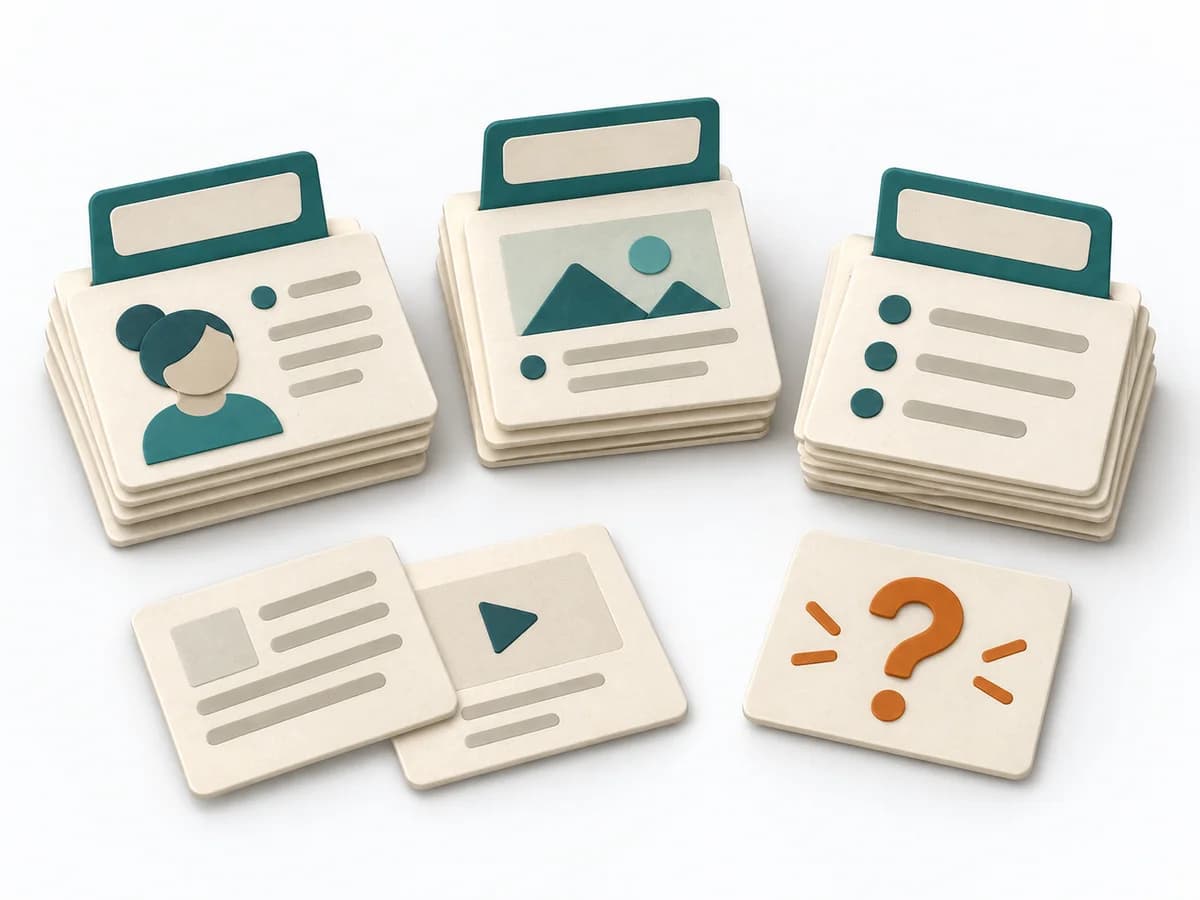 UX Research Card Sorting |
|---|---|---|---|---|
Purposedifferent | When a usage scenario needs to become understandable early, it condenses situations, context, and flow into a legible sequence. It helps check concept ideas before anything gets built. | When a product is built but people get stuck on tasks, usability testing shows the friction at concrete points. Observed use instead of self-report makes visible where orientation, understanding, or interaction breaks down. | When a navigation exists but search paths still fail, tree testing checks findability without visual distraction. The method shows whether labels, levels, and paths really lead to the intended destination. | When content only makes sense internally and users can't find the structure again, card sorting exposes their mental order. Terms, groups, and naming are then aligned with the target group's expectations. |
Complexitydifferent | Medium | Medium | Medium | Low |
Timedifferent | 30-90 min | 1-2 h je Session | 1-2 Tage | 20-45 min |
Participantsdifferent | 1-8 | Based on research question | Based on research question | Based on research question |
Formatdifferent | Workshop + async | Workshop + async | Async | Workshop + async |
Outputdifferent | Storyboard, Concept Narrative, Testable Assumptions | Usability Issues, Severity List, Recommendations | Findability Metrics, Path Analysis, Revised IA | Content groups, Label set, IA hypotheses |
Tagsno overlap | VisualizationConceptsSequencePrototype | ValidationUXPrototype | Information architectureNavigationFindability | Information architectureNavigationStructure |