View methods side by side.
Choose up to four methods. Add them using the search and share the comparison by copying its link.
| Criterion | 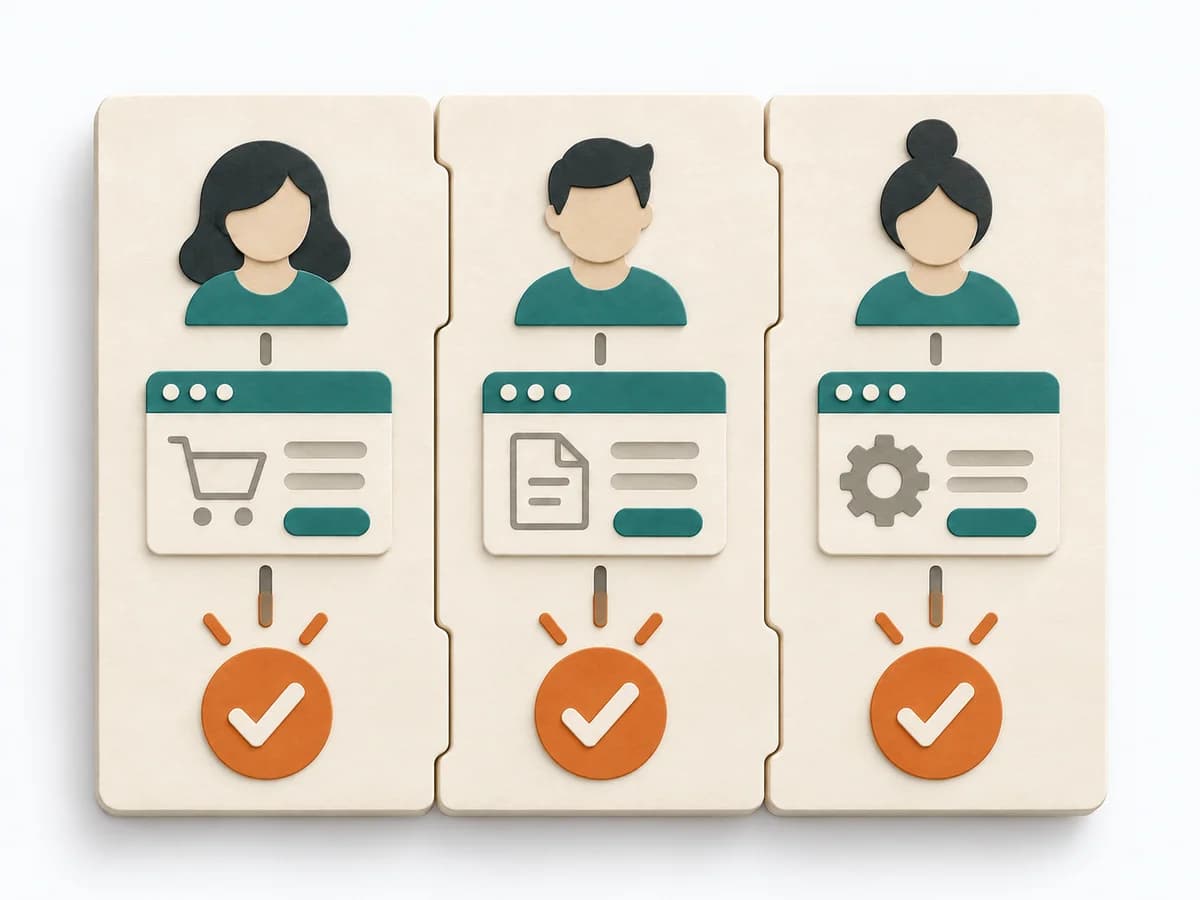 Agile Story Splitting |  Delivery MoSCoW | 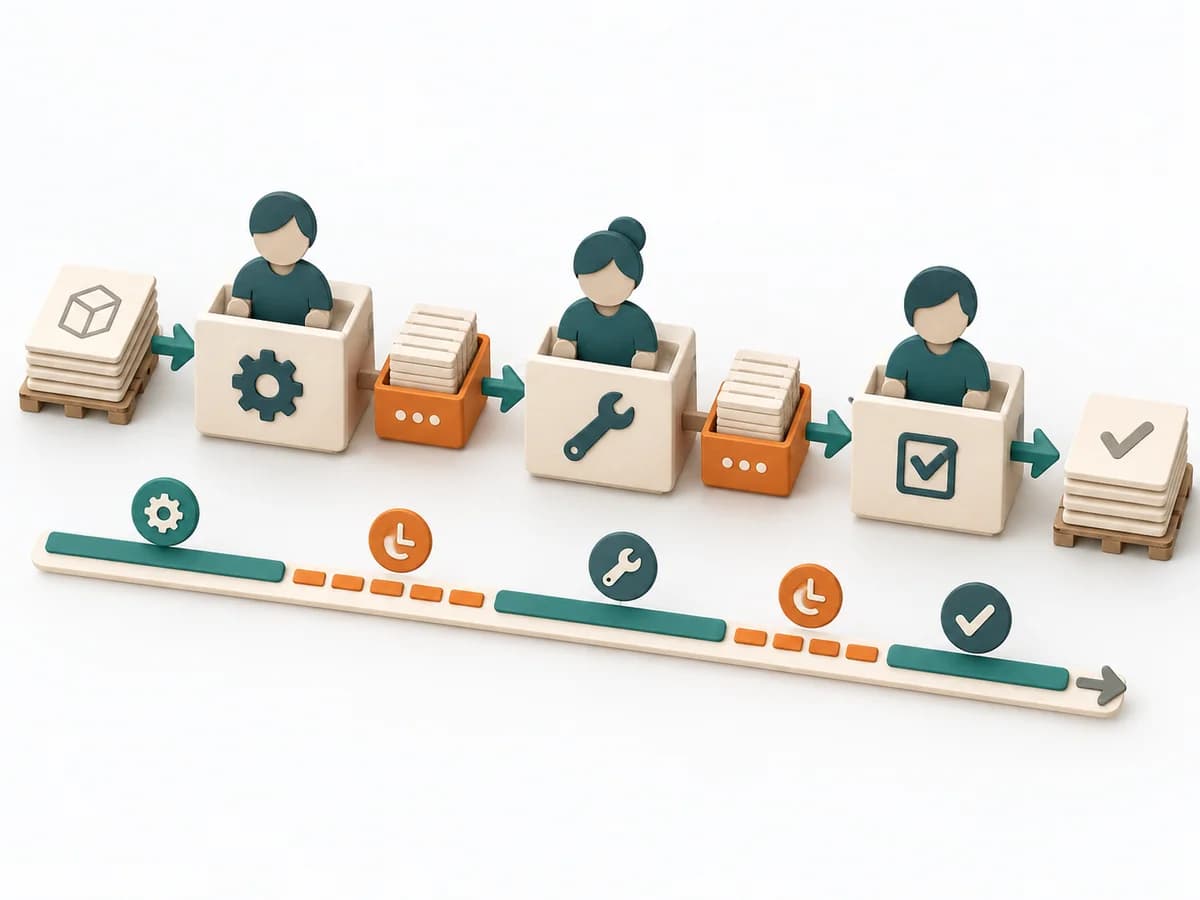 Delivery Value Stream Mapping | 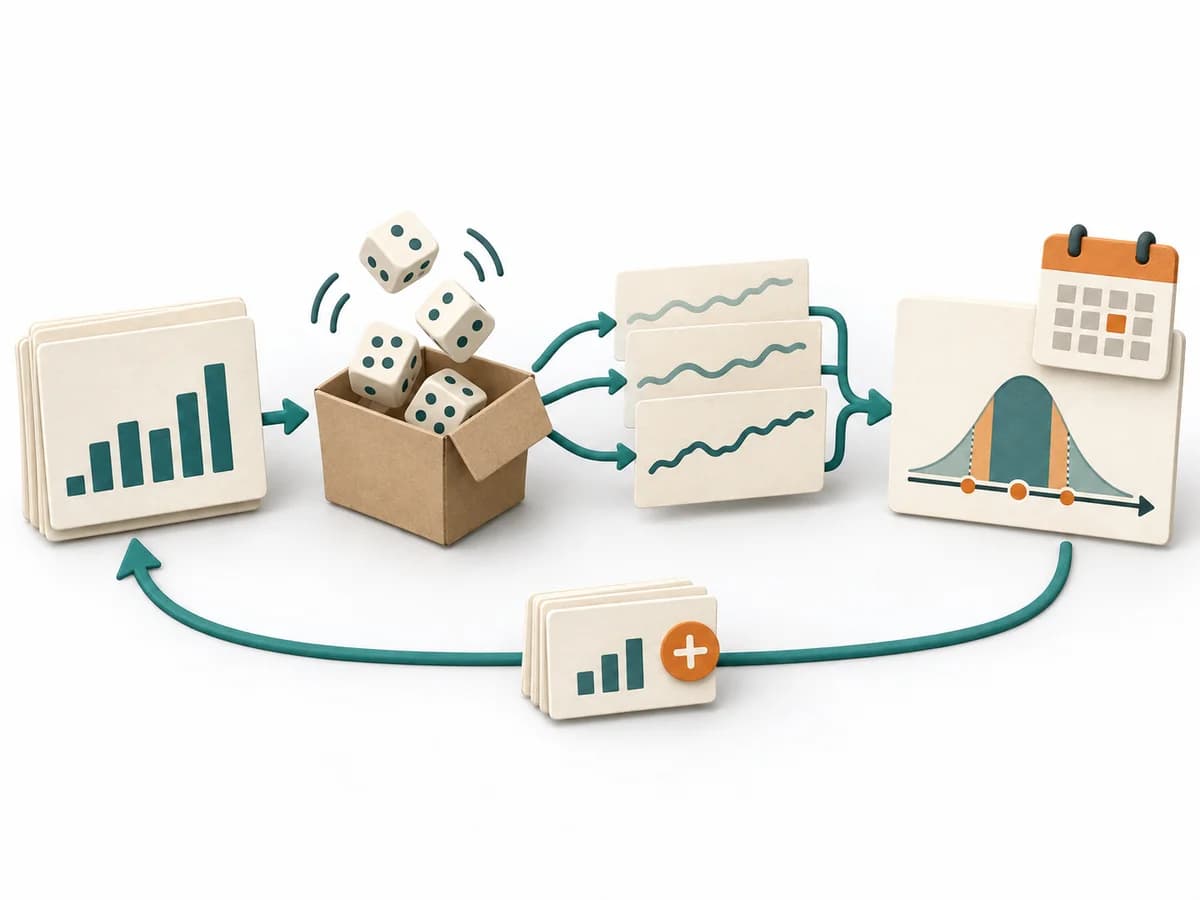 Delivery Monte Carlo Forecasting |
|---|---|---|---|---|
Purposedifferent | When a story becomes too large for a clean flow, it breaks scope down along value and risk. It shapes the work into a form that ships earlier and is easier to verify. | When a release carries too many demands and priorities are only ever negotiated, MoSCoW creates clear boundaries for the next cut. Must, Should, Could, and Won't make commitment, room for maneuver, and trade-off logic visible to everyone involved. | When delivery work dissolves into wait times, handoffs, and hidden effort, Value Stream Mapping makes the actual flow visible. The method exposes bottlenecks, idle time, and feedback loops so lead time and improvement levers become tangible. | Helps clarify scope, sequence, and delivery flow in concrete terms. It makes work, boundaries, and order steerable. The result is captured as Forecast Percentiles, Throughput Dataset, and Risk Communication. |
Complexitydifferent | Medium | Low | Medium | High |
Timedifferent | 30-60 min | 30-90 min | 1-3 h | 30-90 min Setup, danach laufend |
Participantsdifferent | 2-6 | 3-12 | 4-10 | 1-8 |
Formatdifferent | Workshop + async | Workshop + async | Workshop | Workshop + async |
Outputdifferent | Smaller Stories, Acceptance Criteria, Split Rationale | Prioritized Backlog, Release Scope, Tradeoff Notes | Current-state map, Future-state map, Bottleneck list | Forecast Percentiles, Throughput Dataset, Risk Communication |
Tagsno overlap | BacklogIterationDelivery | PrioritizationScopeDecision | LeanFlowWasteDelivery | ForecastingFlowDelivery |