View methods side by side.
Choose up to four methods. Add them using the search and share the comparison by copying its link.
| Criterion | 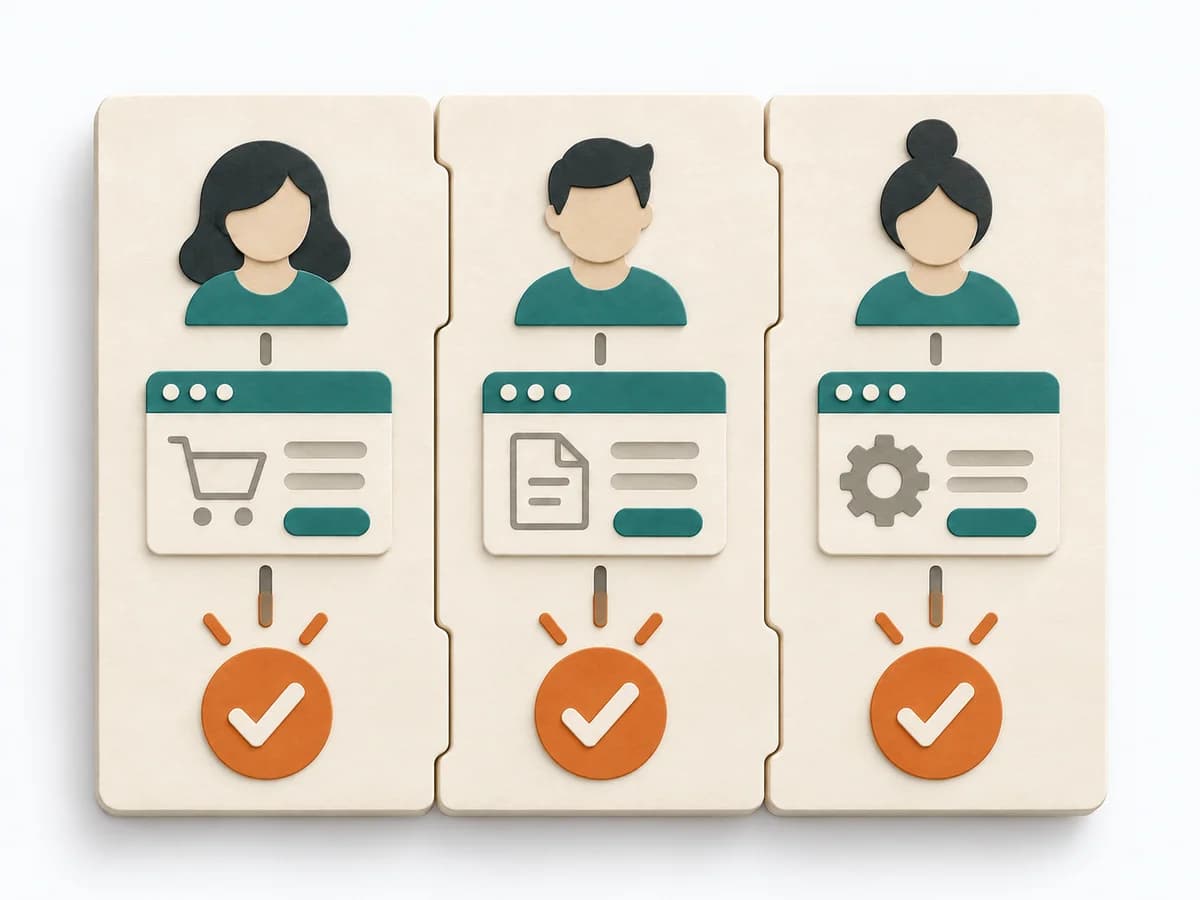 Agile Story Splitting | 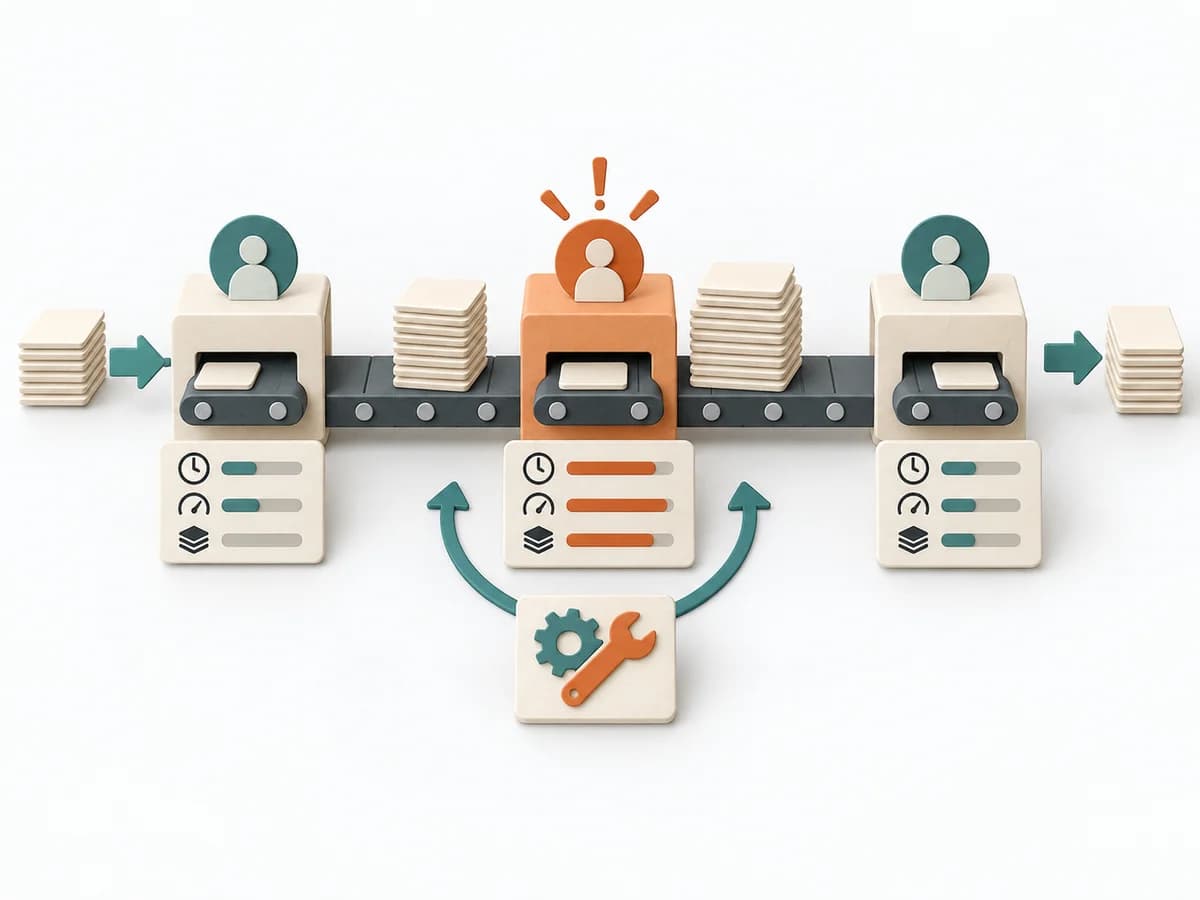 Operations Bottleneck Analysis | 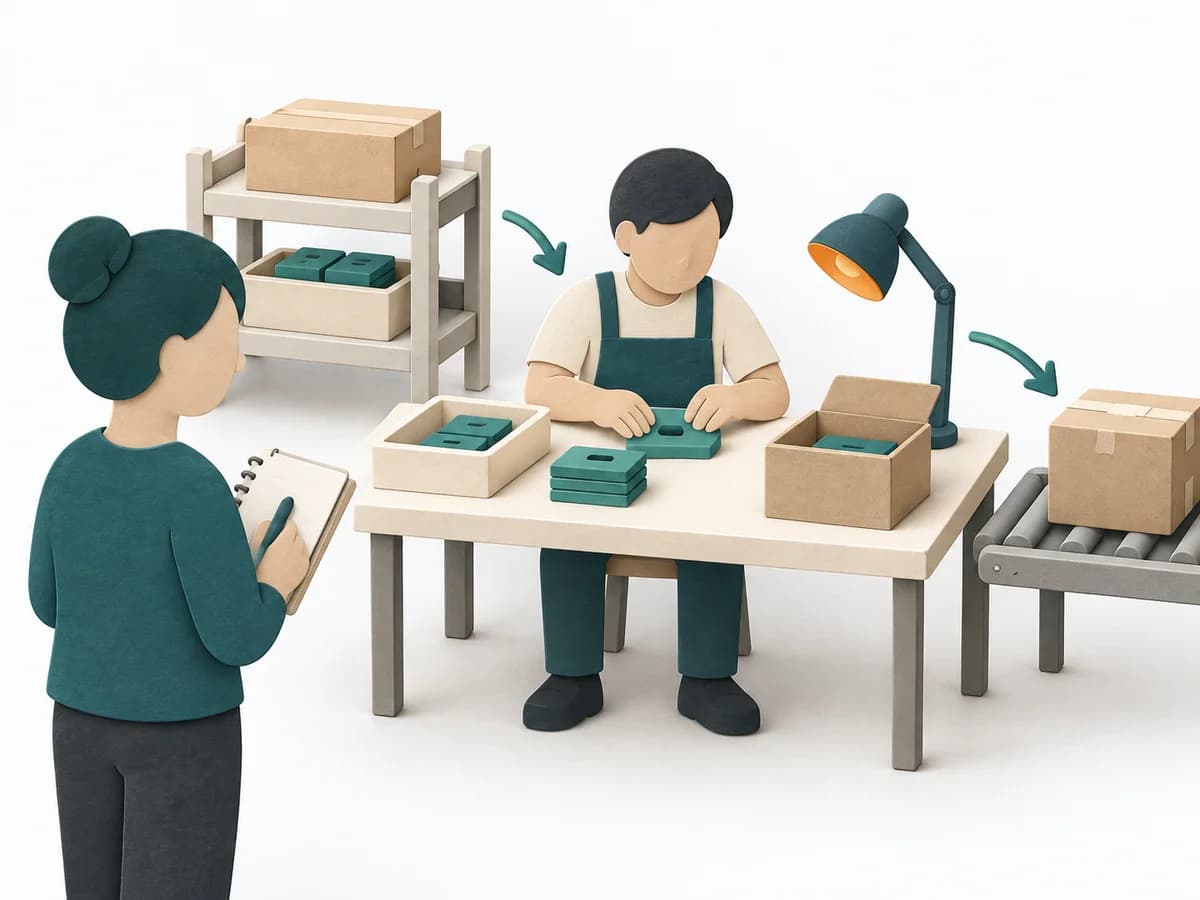 Operations Gemba Walk | 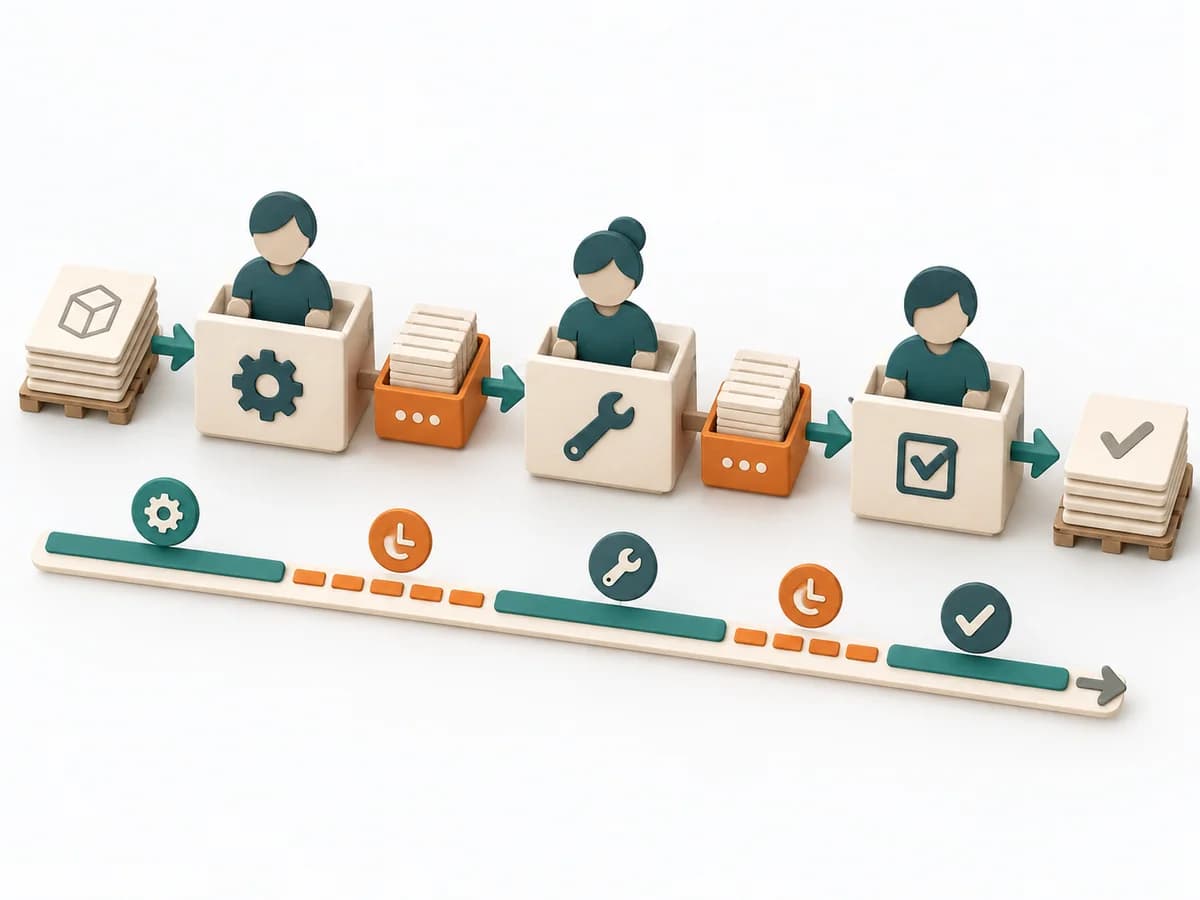 Delivery Value Stream Mapping |
|---|---|---|---|---|
Purposedifferent | When a story becomes too large for a clean flow, it breaks scope down along value and risk. It shapes the work into a form that ships earlier and is easier to verify. | For a flow that backs up at one point, the method looks for the capacity limit with the greatest leverage. It explains why extra effort elsewhere barely improves throughput. | When there is uncertainty about the real course of a process, the method brings observation to the place where work happens. It combines perception, follow-up questions, and process knowledge so decisions rest on actual workflows instead of assumptions. | When delivery work dissolves into wait times, handoffs, and hidden effort, Value Stream Mapping makes the actual flow visible. The method exposes bottlenecks, idle time, and feedback loops so lead time and improvement levers become tangible. |
Complexitydifferent | Medium | Medium | Low | Medium |
Timedifferent | 30-60 min | 1-3 h | 30-120 min | 1-3 h |
Participantsdifferent | 2-6 | 3-8 | 2-6 | 4-10 |
Formatdifferent | Workshop + async | Workshop + async | Workshop | Workshop |
Outputdifferent | Smaller Stories, Acceptance Criteria, Split Rationale | Bottleneck Map, Flow Metrics, Improvement Options, Follow-up Measures | Observation Notes, Improvement Ideas | Current-state map, Future-state map, Bottleneck list |
Tagsno overlap | BacklogIterationDelivery | FlowMeasurementConstraints | LeanObservationProcessOperations | LeanFlowWasteDelivery |