View methods side by side.
Choose up to four methods. Add them using the search and share the comparison by copying its link.
| Criterion | 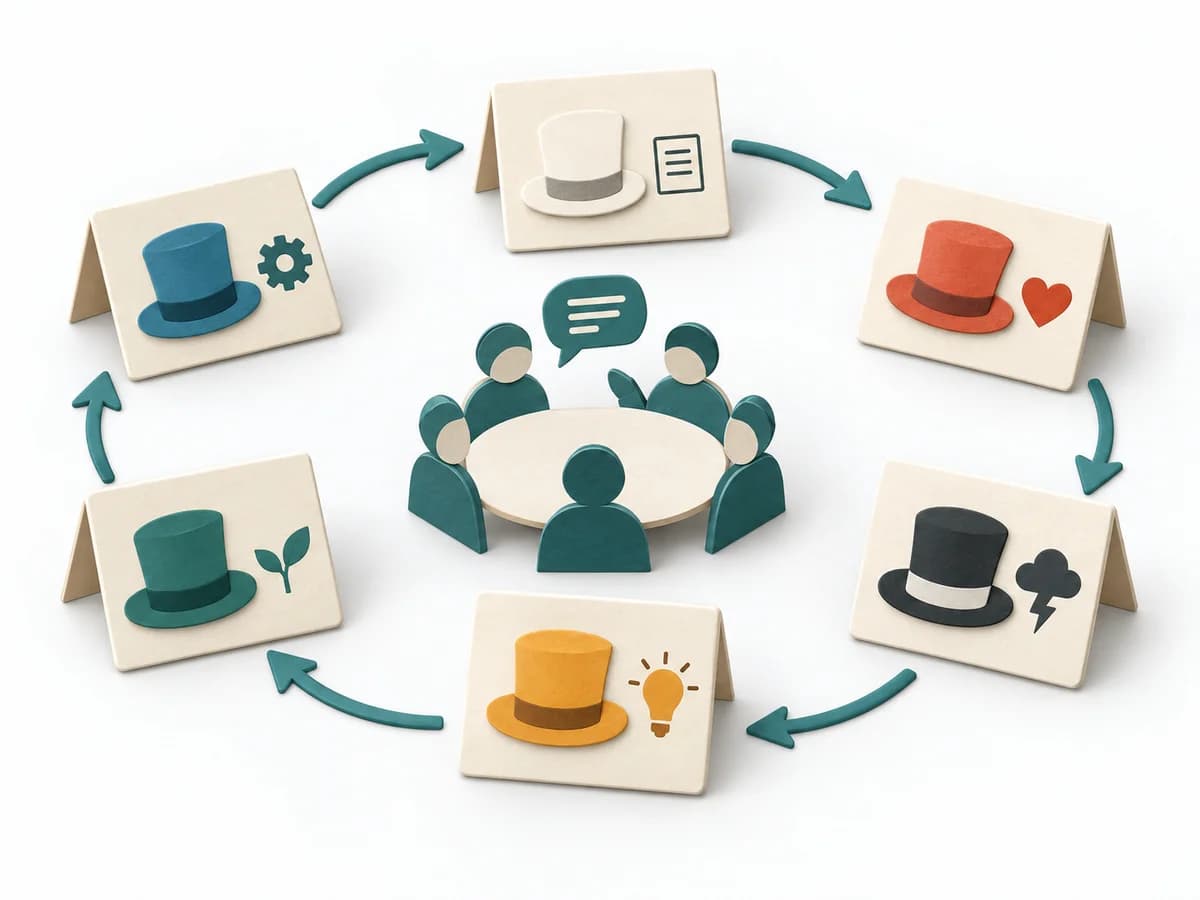 Facilitation Six Thinking Hats | 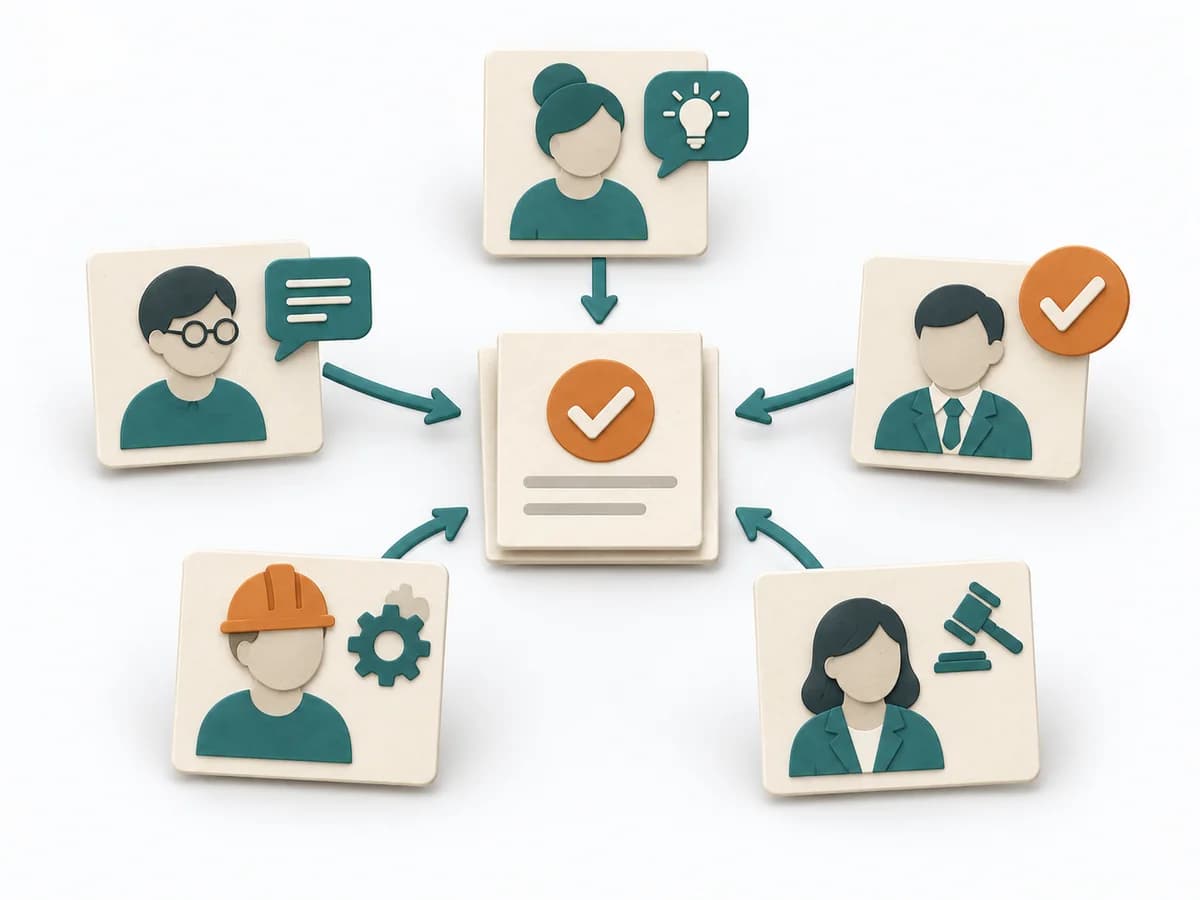 Decision Making RAPID | 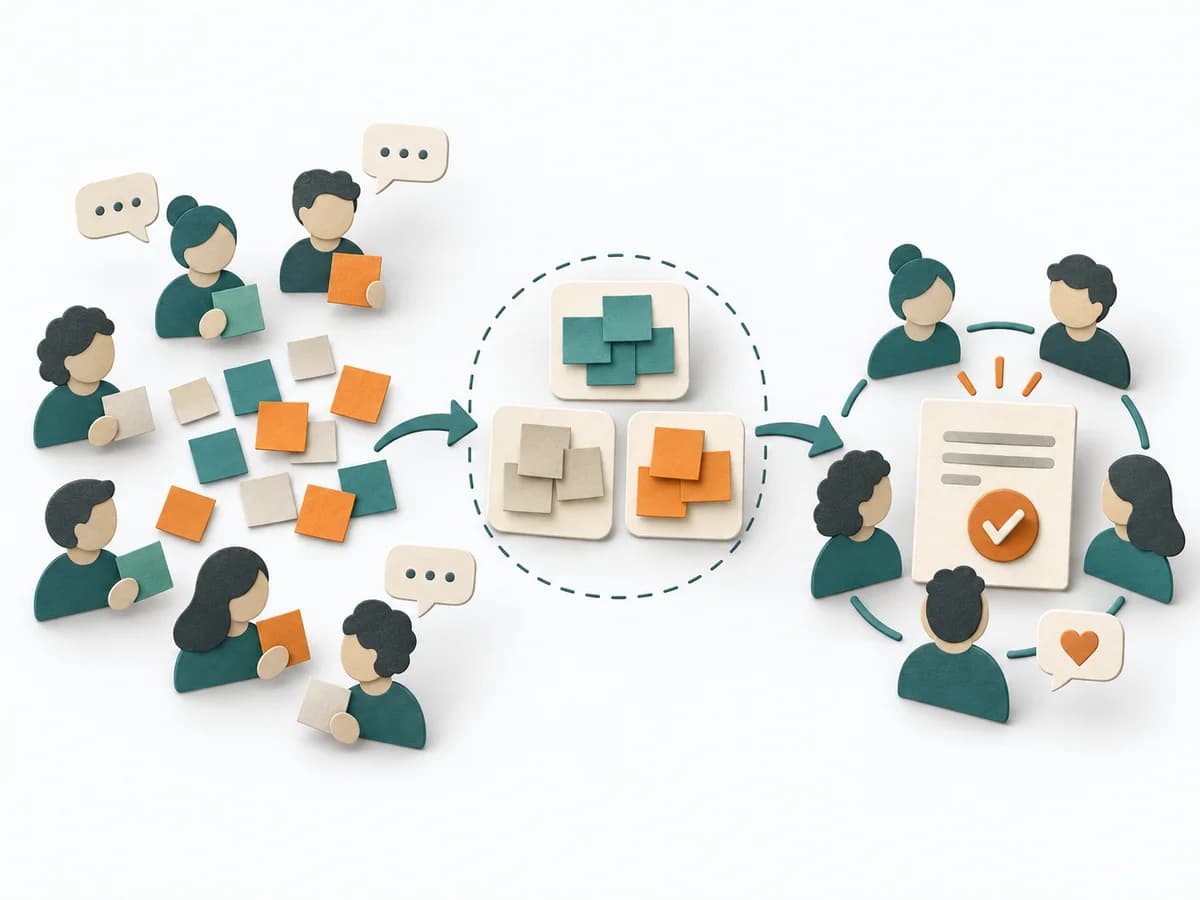 Facilitation Consensus Workshop |  Facilitation Stakeholder Salience Model |
|---|---|---|---|---|
Purposedifferent | When a topic gets stuck too quickly in the same thinking mode, Six Thinking Hats deliberately separates the perspectives. This means facts, risks, creativity, and emotional signals get worked through one after another instead of mixed together. | In complex management decisions, clarity is often missing about who recommends, who agrees, and who makes the decision. RAPID creates this assignment and stabilizes decisions across several levels. | When a group needs a solid decision without outvoting individual factions, a Consensus Workshop creates a negotiable common ground. It makes agreement, reservations, and open tensions discussable at the same time. | When stakeholders appear to matter very differently, the Stakeholder Salience Model rates their actual priority through power, legitimacy, and urgency. It turns individual contributions into a visible selection. The result is captured as a Salience diagram and a class-based strategy. |
Complexitysame | Medium | Medium | Medium | Medium |
Timedifferent | 45-90 min | 45-90 min | 1-3 h | 60-90 min |
Participantsdifferent | 4-12 | 3-12 | 5-30 | 3-6 |
Formatdifferent | Workshop | Workshop + async | Workshop | Workshop |
Outputdifferent | Perspective Notes, Decision Inputs, Action Items | RAPID Role Map, Recommendation, Decision Log | Consensus Clusters, Theme Titles, Priority Areas | Salience Diagram, Strategy per Class |
Tagsno overlap | FacilitationOptionsDecision | DecisionRolesGovernance | FacilitationConsensusWorkshopAlignment | StakeholdersFacilitationAlignmentGovernance |