View methods side by side.
Choose up to four methods. Add them using the search and share the comparison by copying its link.
| Criterion | 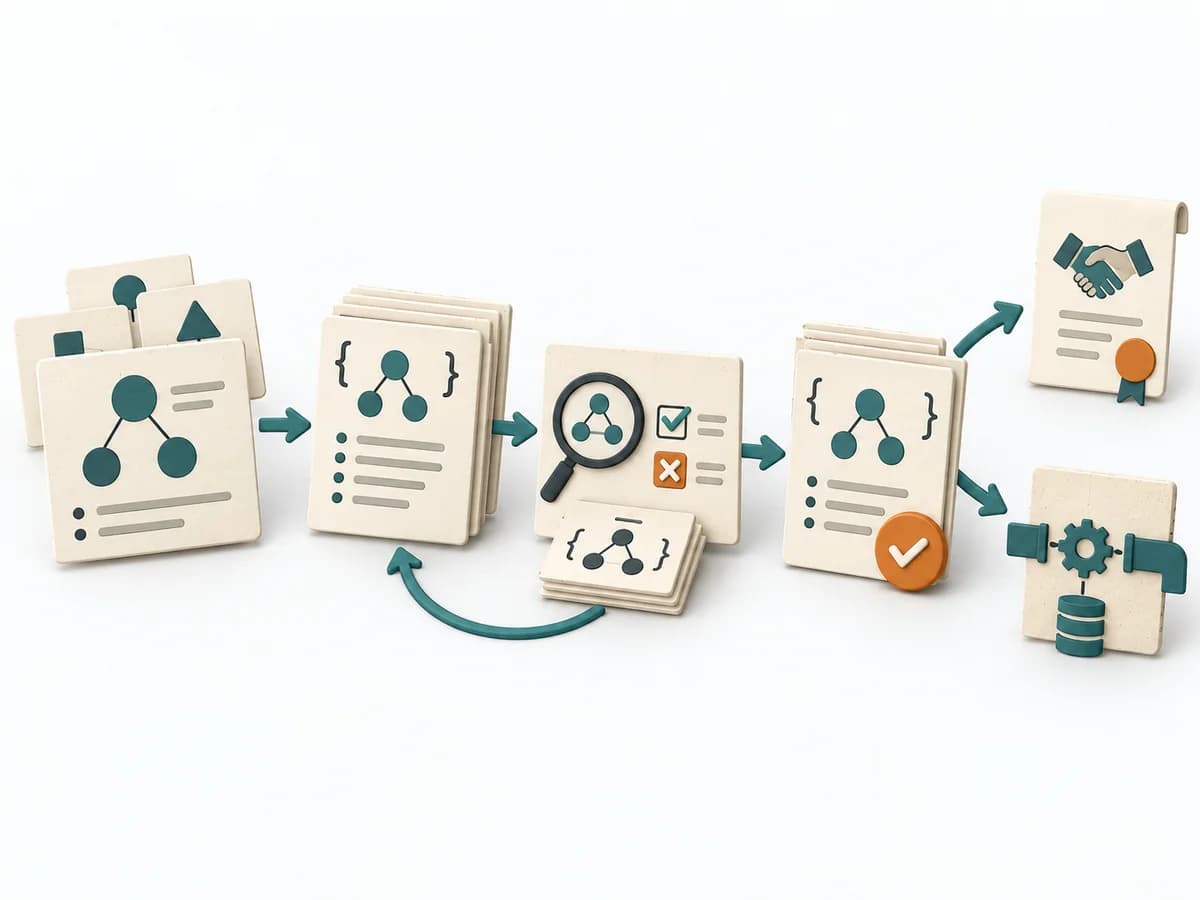 Knowledge Modeling Shape-First Modeling |  Systems Thinking Intervention Mapping |  Facilitation Alignment Mapping |  Facilitation Power Interest Grid |
|---|---|---|---|---|
Purposedifferent | Shape-First Modeling defines data quality through shapes before implementation or integration frays at the edges. The approach fits when validation and data contracts should be part of the design from the start. | Intervention Mapping translates a need for change into a planned, evaluable program. The method connects target group, determinants, actions, and measurement into a traceable chain. | When several people work toward one goal but hold different mental maps, Alignment Mapping makes the discrepancies visible. It arranges goals, assumptions, and priorities so shared direction becomes verifiable. | When many stakeholders compete for attention at once, the Power Interest Grid sorts them by influence and stake. It turns individual contributions into a visible selection. The result is captured as a Power Interest Grid and a stakeholder-specific strategy. |
Complexitydifferent | Medium | High | Medium | Low |
Timedifferent | Halber Tag pro Domain Slice | 1-5 Tage | 1-2 h | 30-60 min |
Participantsdifferent | 1-4 | 4-12 | 4-12 | 2-8 |
Formatdifferent | Workshop + async | Workshop + async | Workshop | Workshop |
Outputdifferent | SHACL or ShEx Shapes, Validation Reports, Data Contracts, Shape Documentation | Logic Model, Change Objectives, Intervention Components, Evaluation Plan | Alignment Map, Open Issues, Decision Questions | Power Interest Grid, Strategy per Stakeholder |
Tagsno overlap | Knowledge graphValidationSemantic | ChangeSystems thinkingCapability | AlignmentStakeholdersStrategyFacilitation | StakeholdersFacilitationAlignmentPlanning |