View methods side by side.
Choose up to four methods. Add them using the search and share the comparison by copying its link.
| Criterion | 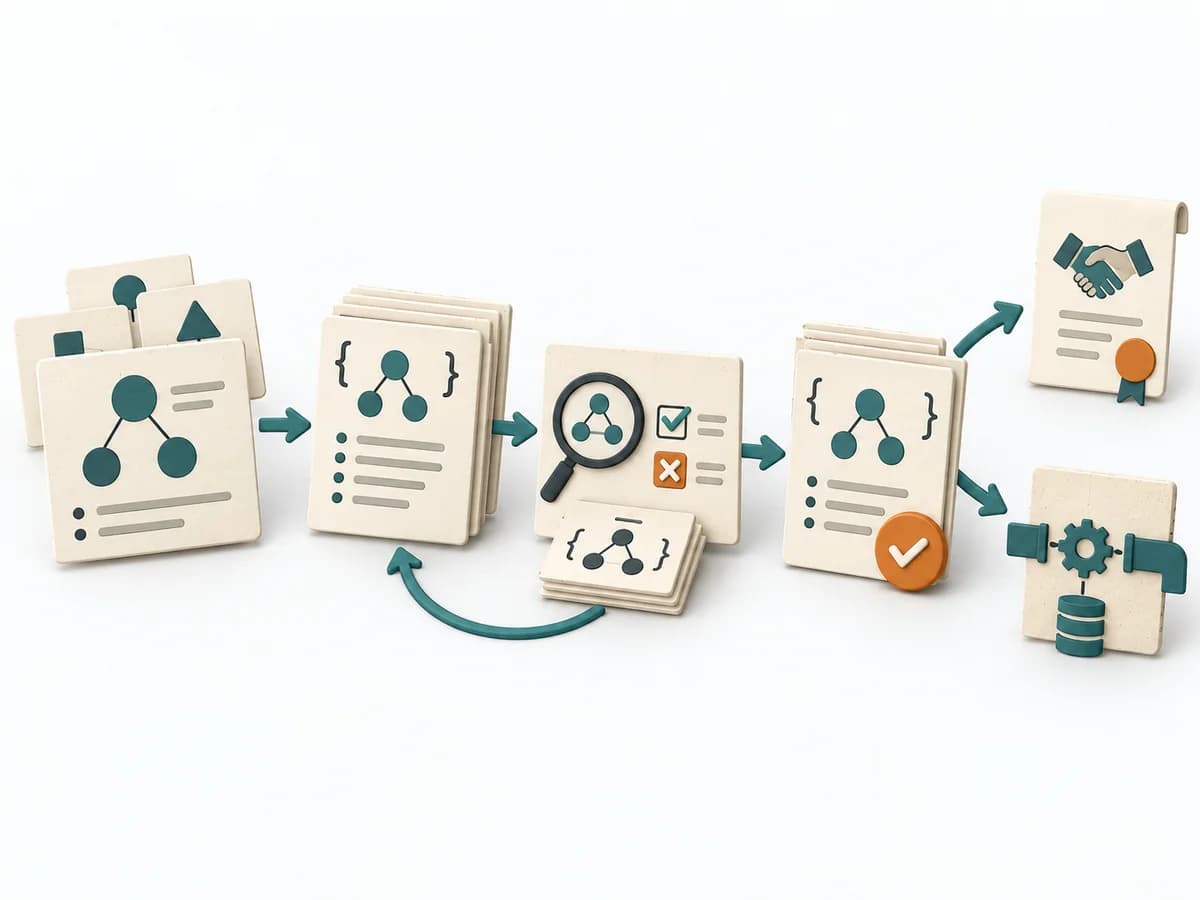 Knowledge Modeling Shape-First Modeling |  Growth A/B Testing | 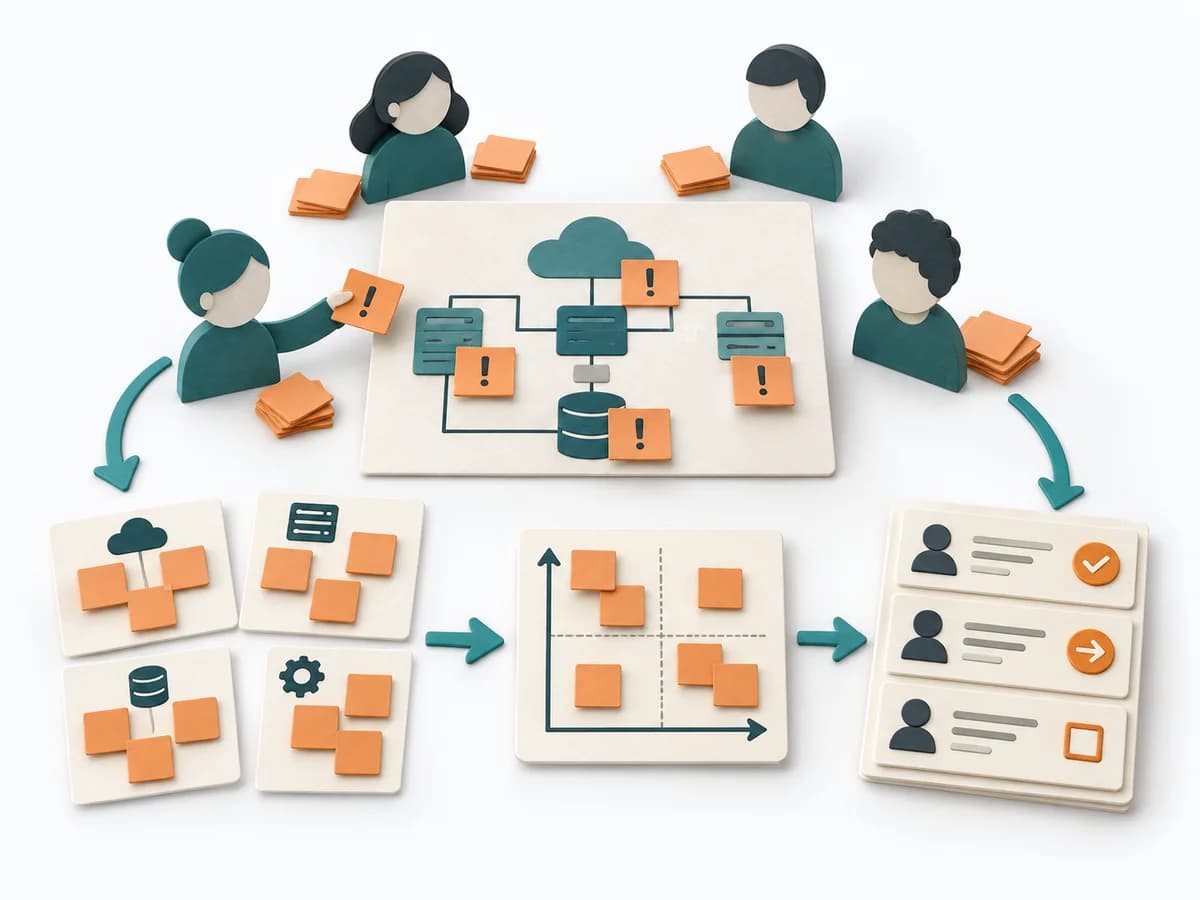 Architecture Risk Storming |  Architecture ATAM (Architecture Tradeoff Analysis Method) |
|---|---|---|---|---|
Purposedifferent | Shape-First Modeling defines data quality through shapes before implementation or integration frays at the edges. The approach fits when validation and data contracts should be part of the design from the start. | When two variants compete, discussions quickly decide by taste rather than effect. A/B Testing checks behavior under controlled conditions and separates real improvement from chance or expectation effects. | Helps clarify architecture context, options, and consequences in concrete terms. It organizes technical context, alternatives, and consequences. The result is captured as an Annotated Diagram, a Prioritized Risk List, and an Action Backlog. | ATAM helps teams weigh architecture decisions when quality goals compete. The team considers business goals, stakeholder expectations, and technical decisions together. The evaluation shows which risks need further investigation. |
Complexitydifferent | Medium | High | Low | High |
Timedifferent | Halber Tag pro Domain Slice | 1-4 Wochen | 60-90 min | Several meetings plus preparation and analysis; total effort depends on scope |
Participantsdifferent | 1-4 | 1-6 | 4-12 | Evaluation team, architects, and relevant stakeholders |
Formatdifferent | Workshop + async | Async | Workshop | Workshop + async |
Outputdifferent | SHACL or ShEx Shapes, Validation Reports, Data Contracts, Shape Documentation | Experiment results, Decision log, Learning summary | Annotated Diagram, Prioritized Risk List, Action Backlog | Prioritized quality scenarios in a utility tree, Architecture risks with reasoning and assumptions, Sensitivity and trade-off points, Findings report with open investigations |
Tagsno overlap | Knowledge graphValidationSemantic | ExperimentsGrowthAnalyticsValidation | RiskArchitectureWorkshopValidation | ArchitectureQualityRiskTradeoffsStakeholders |