View methods side by side.
Choose up to four methods. Add them using the search and share the comparison by copying its link.
| Criterion | 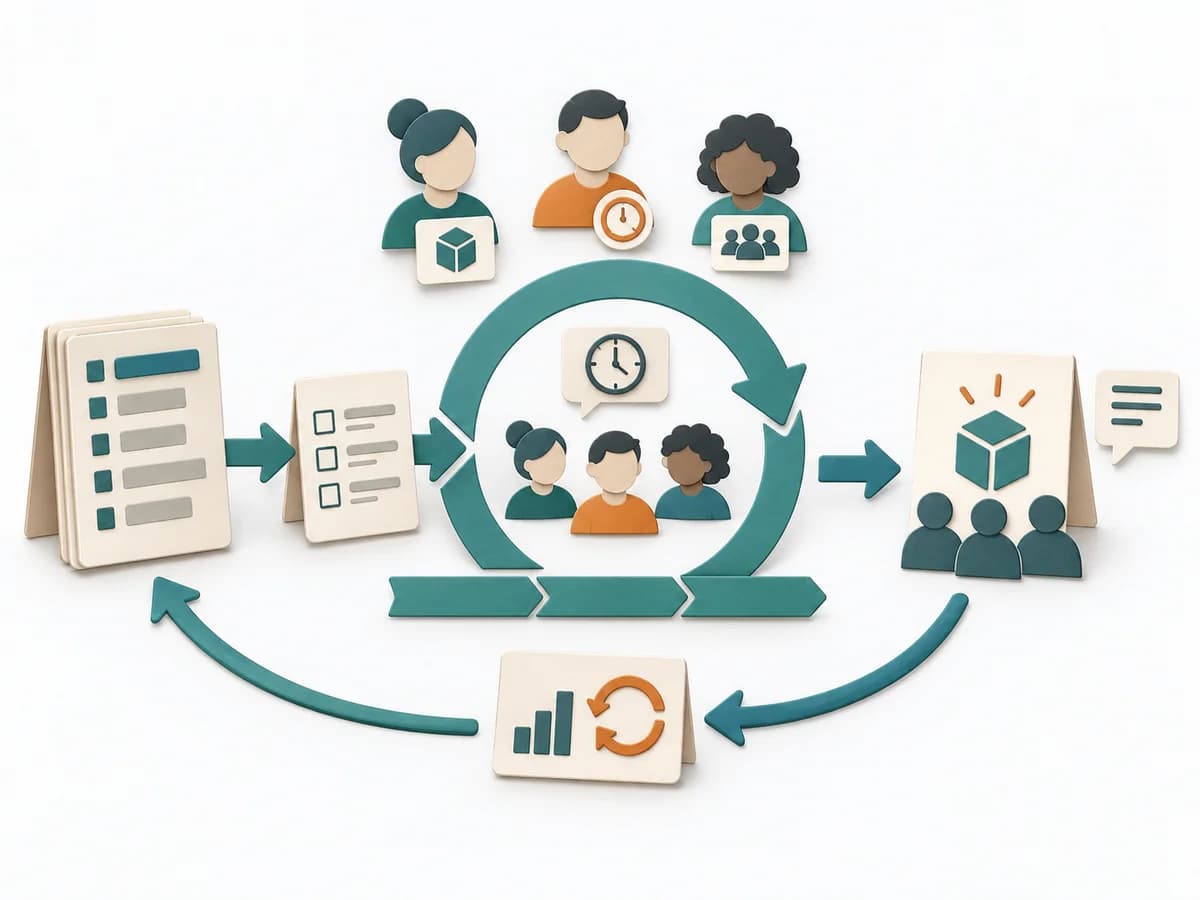 Agile Scrum | 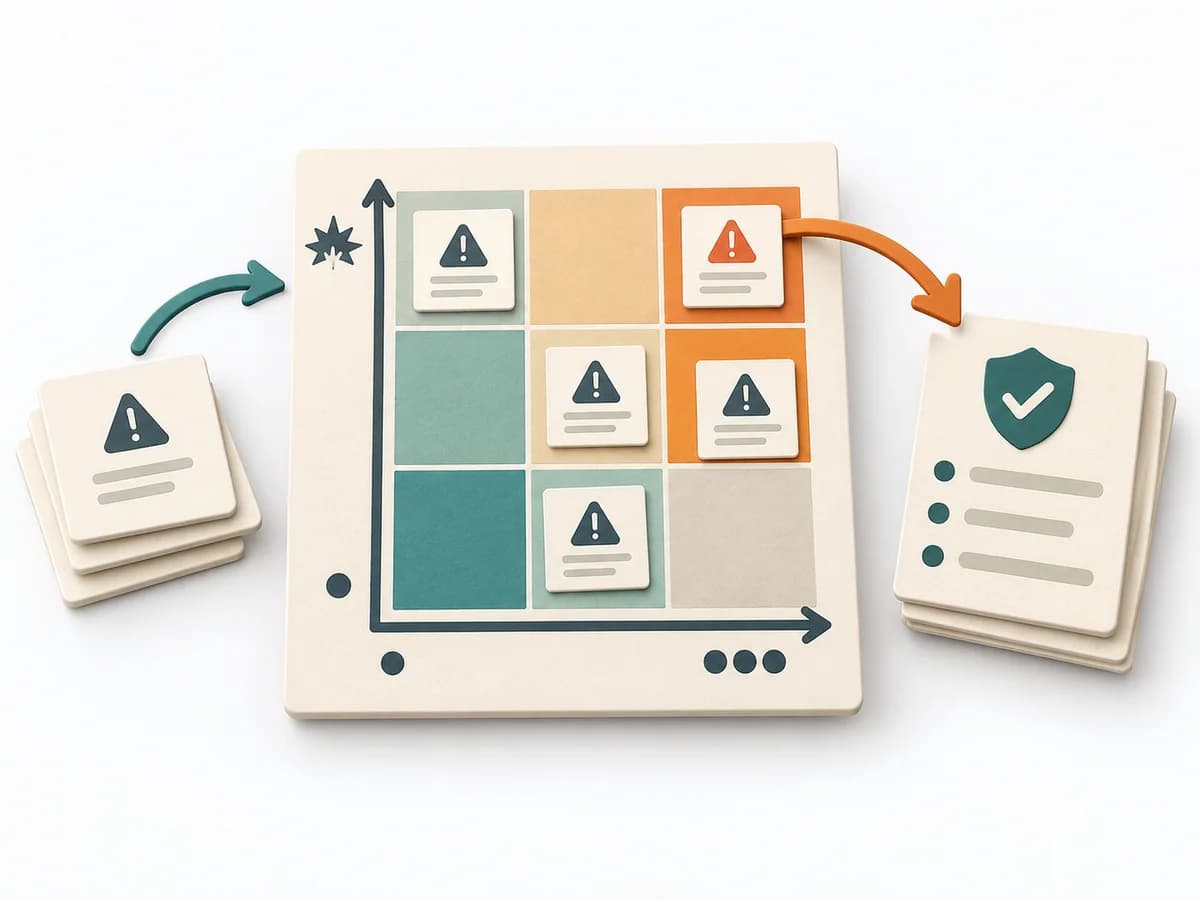 Decision Making Risk Matrix |  Engineering Failure Scenario Analysis | 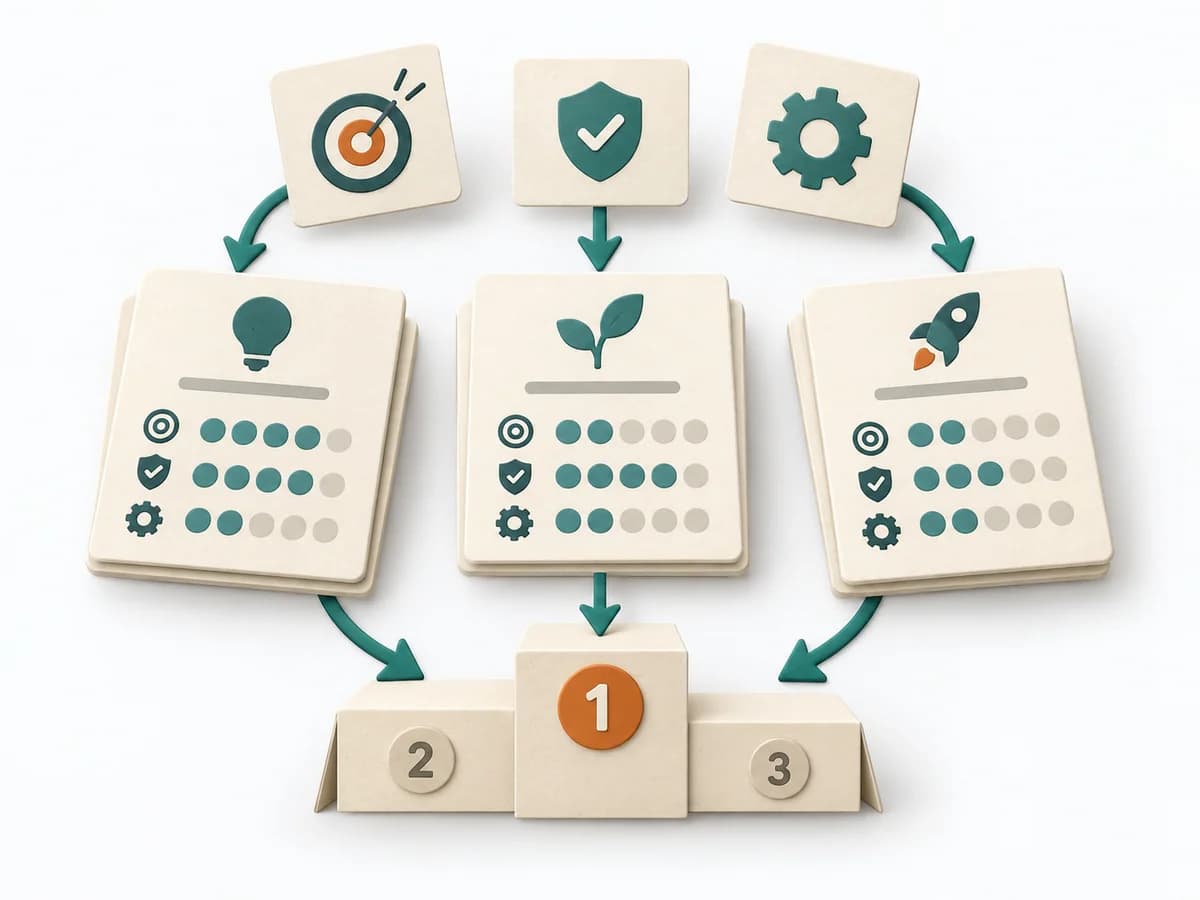 Product Strategy ICE Scoring |
|---|---|---|---|---|
Purposedifferent | When a team needs to work in a fixed delivery rhythm, it stabilizes cadence, responsibility, and feedback loops. It makes collaboration reliable across sprint boundaries. | When a project faces many possible disruptions, it quickly becomes unclear which risks deserve attention first. It separates options, evaluation criteria, and open risks. The result is captured as a Risk Matrix and a Top Risk List. | In critical processes, it is not enough to plan only for the normal case. Failure Scenario Analysis looks at the path into failure and shows which failures, chains, and control gaps cause the most damage. | When ideas need sorting quickly, it condenses impact, confidence, and effort into one compact score. It connects customer value, product logic, and decision priorities. The result is captured as an ICE table and top-ideas list. |
Complexitydifferent | Medium | Low | Medium | Low |
Timedifferent | 1-4 Wochen je Sprint, laufend | 30-60 min | 1-3 h | 30-60 min |
Participantsdifferent | 3-10 (Scrum Team) | 3-10 | 3-8 | 2-8 |
Formatdifferent | Workshop + async | Workshop + async | Workshop | Workshop + async |
Outputdifferent | Product Backlog, Sprint Backlog, Increment, Sprint Goal | Risk Matrix, Top Risk List | Failure Scenarios, Risk Notes, Control Gaps, Test and Response Actions | ICE Table, Top Idea List |
Tagsno overlap | AgileIterationCadence | RiskDecisionPrioritizationAssessment | FailureResilienceRisk | PrioritizationScoringGrowthDecision |