View methods side by side.
Choose up to four methods. Add them using the search and share the comparison by copying its link.
| Criterion | 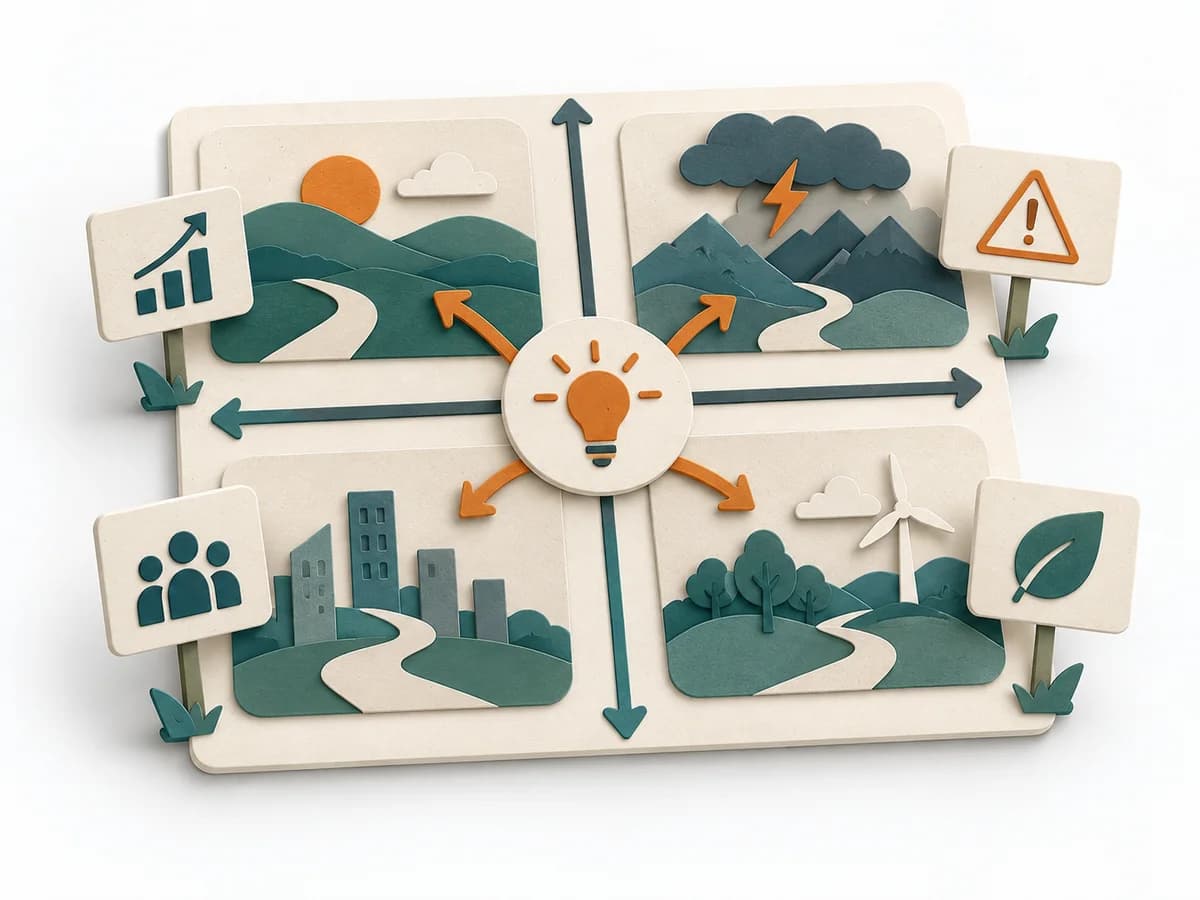 Business Strategy Scenario Planning | 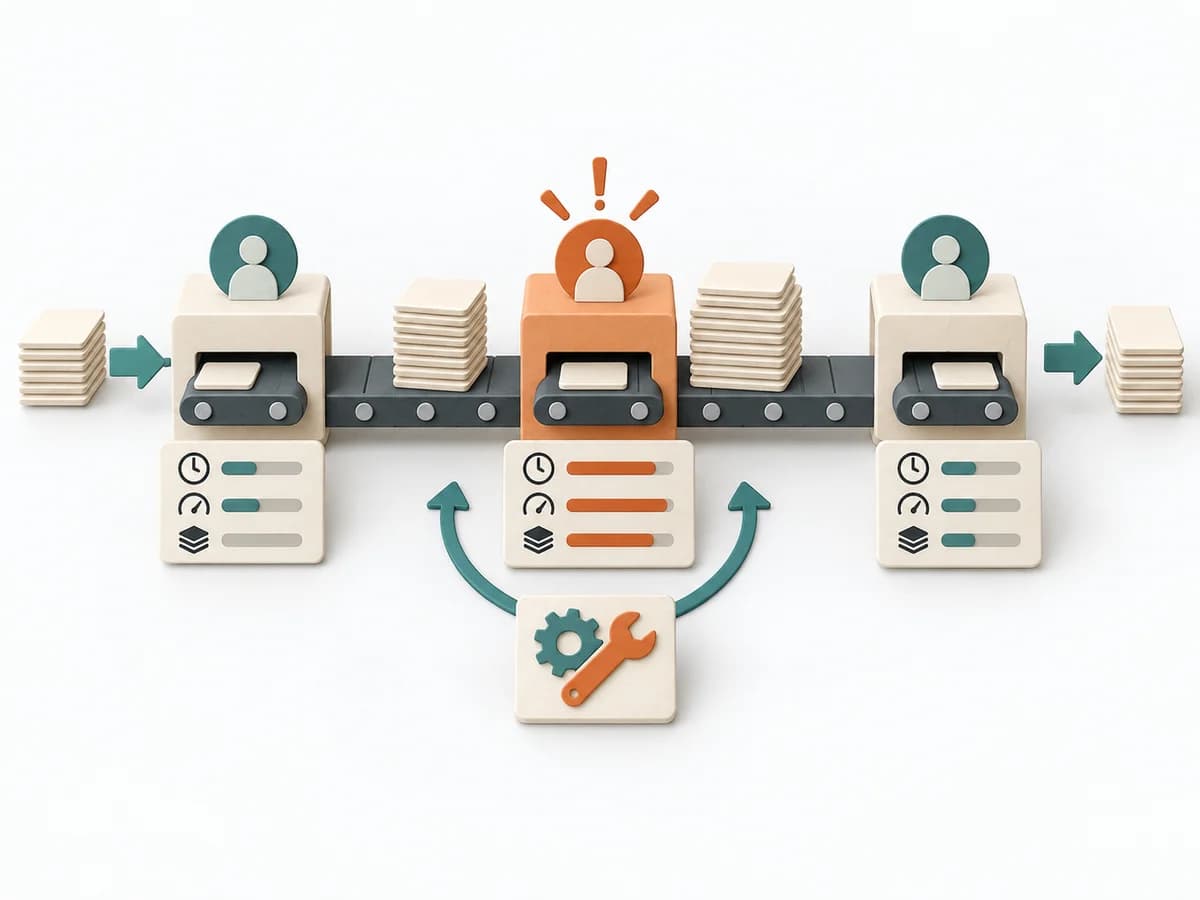 Operations Bottleneck Analysis | 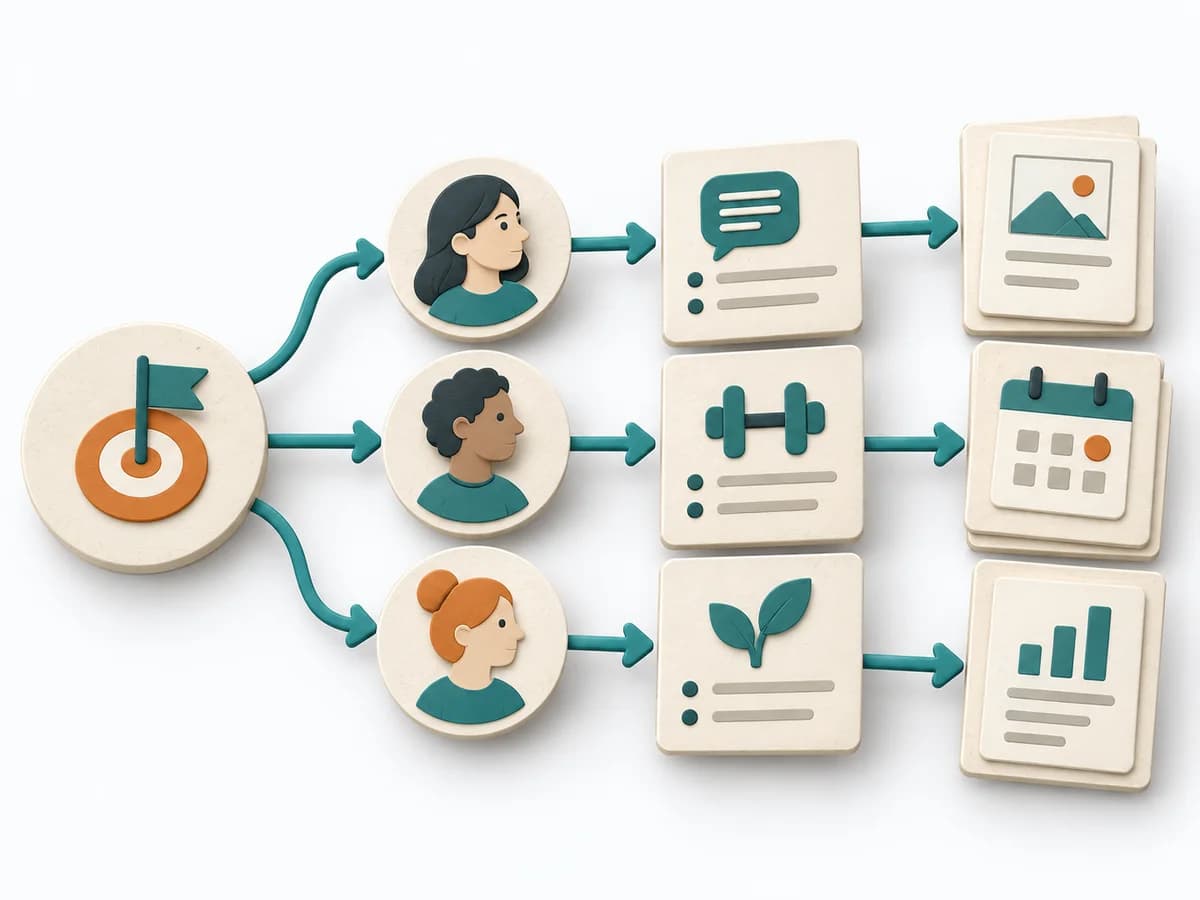 Product Strategy Impact Mapping |  Decision Making Constraint Analysis |
|---|---|---|---|---|
Purposedifferent | Scenario Planning opens the view to several plausible futures instead of a single forecast. The method protects strategies from depending on too narrow an expected path. | For a flow that backs up at one point, the method looks for the capacity limit with the greatest leverage. It explains why extra effort elsewhere barely improves throughput. | When a goal needs to be connected to several possible paths, it shows chains of impact instead of feature lists. It connects business goal, behavior change, and measures. | When an initiative stalls, the limit often lies not in the idea but in hard or soft boundary conditions. Constraint Analysis separates these limits and shows which of them can actually be shaped. |
Complexitydifferent | High | Medium | Medium | Low |
Timedifferent | 0.5-2 Tage | 1-3 h | 45-90 min | 30-90 min |
Participantsdifferent | 4-12 | 3-8 | 3-8 | 2-8 |
Formatdifferent | Workshop | Workshop + async | Workshop | Workshop + async |
Outputdifferent | Scenario Set, Strategic Implications, Robust Options | Bottleneck Map, Flow Metrics, Improvement Options, Follow-up Measures | Impact Map, Outcome Hypotheses, Delivery Options | Constraint List, Hard/Soft Classification, Option Impact Notes, Decision Boundaries |
Tagsno overlap | StrategyUncertaintyPlanning | FlowMeasurementConstraints | OutcomesStrategyBehaviorPlanning | ConstraintsDecisionPlanningOptions |