View methods side by side.
Choose up to four methods. Add them using the search and share the comparison by copying its link.
| Criterion | 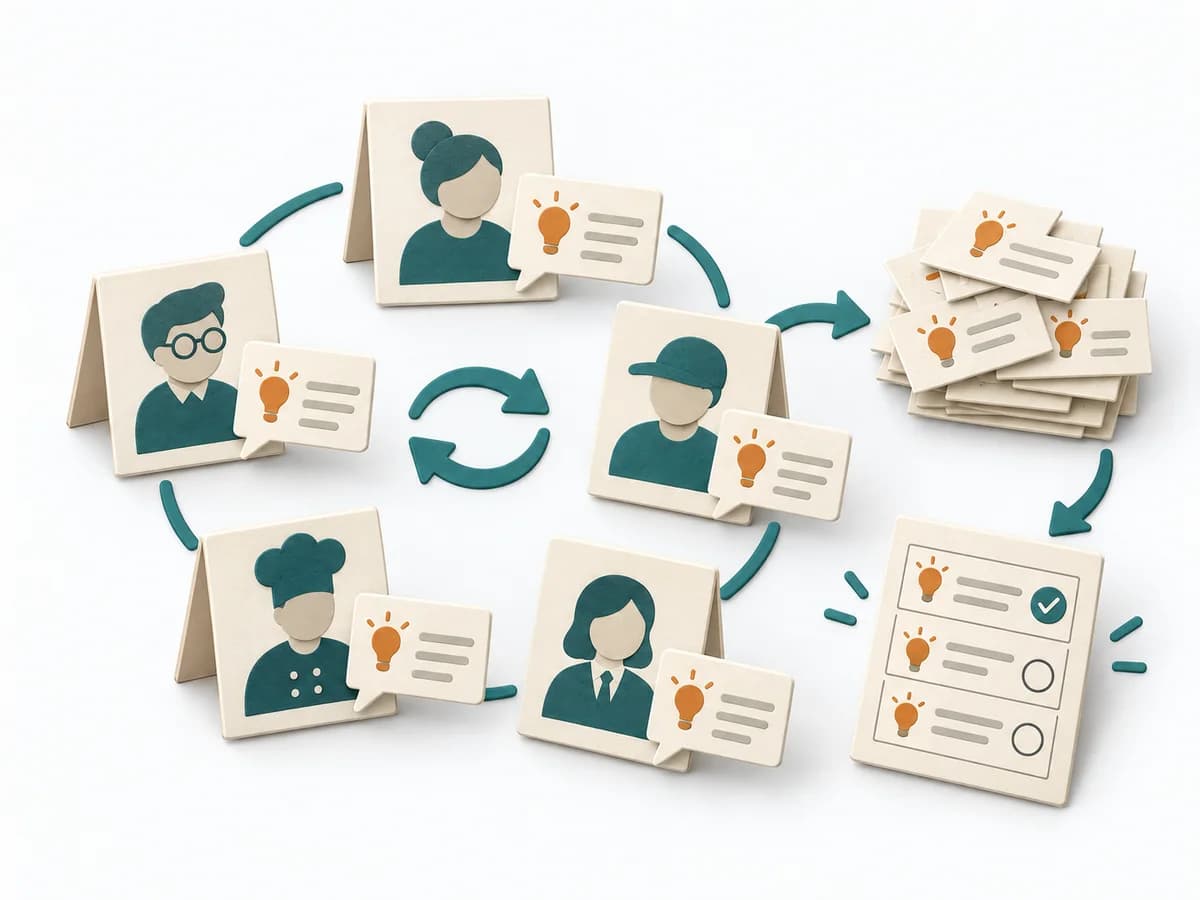 Innovation Rolestorming |  Operations Failure Mode and Effects Analysis | 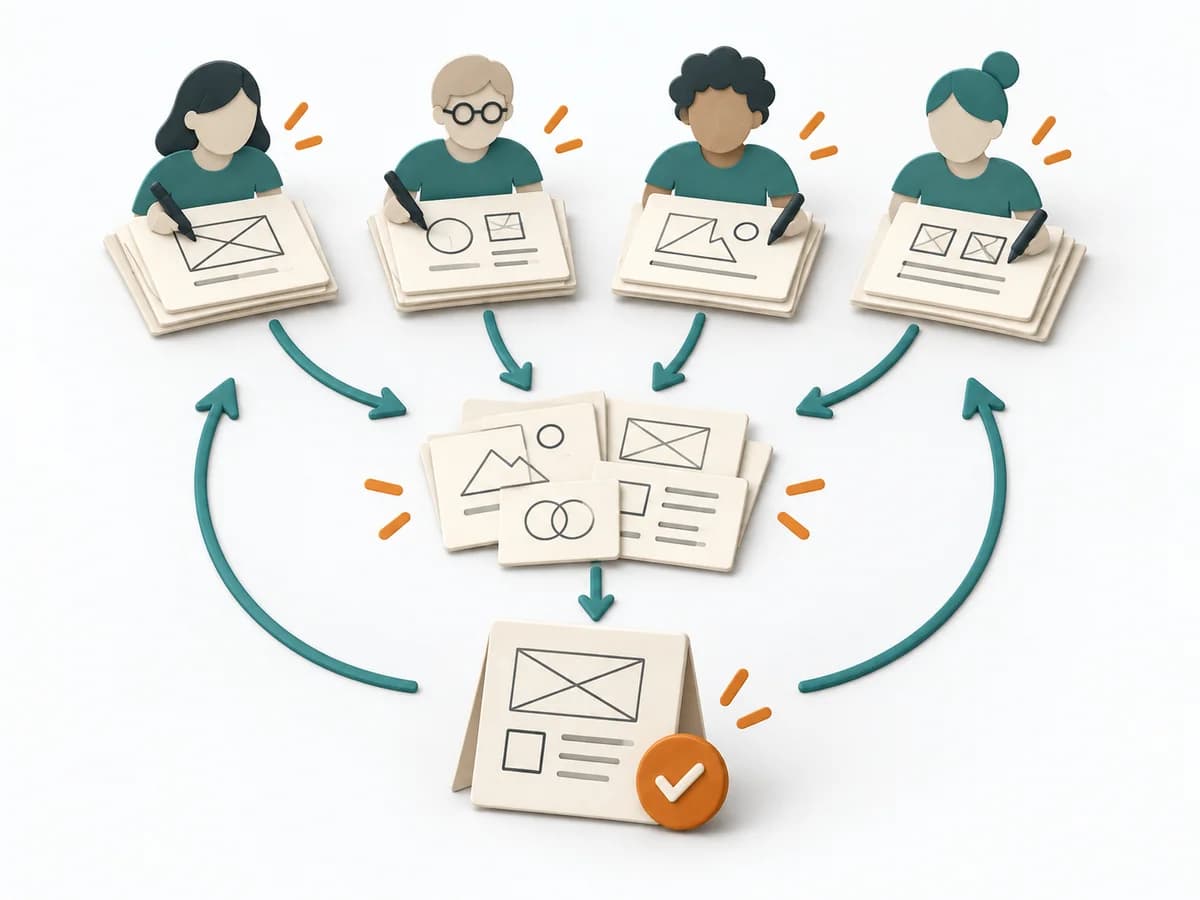 Innovation Design Charrette |  Operations Fishbone Diagram |
|---|---|---|---|---|
Purposedifferent | When a search for ideas stalls, switching roles helps people step outside their own perspective and activate new logics of action. The method reduces habit because contributions arise from a different stance. This brings unfamiliar, often fitting solution approaches into play. | For a process, product, or service with noticeable failure risks, the method assesses possible failure modes in advance. It directs attention to combinations of occurrence, effect, and detectability. | In a tightly timed design process with many participants, the method pools several lines of thinking in a short time. It brings parallel design energy without letting the discussion tip into endless coordination. This quickly produces solid directions for architecture or space. | When a problem has several possible contributing factors, the method sorts causes by cause areas. It prevents an initial hunch from blocking the view of other plausible drivers. |
Complexitydifferent | Low | High | Medium | Low |
Timedifferent | 30-60 min | 2-6 h | Halber Tag bis mehrere Tage | 30-60 min |
Participantsdifferent | 3-12 | 3-10 | 10-50 | 2-8 |
Formatsame | Workshop | Workshop | Workshop | Workshop |
Outputdifferent | Rollenkarten, Ideenpool pro Rolle, Konsolidierte Shortlist | FMEA Table, Risk Priority, Mitigation Actions | Sketches and Concepts, Consolidated Solution Sketch, Prioritized Direction | Fishbone Diagram, Cause Categories, Investigation Backlog |
Tagsno overlap | BrainstormingIdeationCreativity | RiskQualityOperationsRoot cause | BrainstormingWorkshopCollaborationIdeation | Root causeQualityOperations |