View methods side by side.
Choose up to four methods. Add them using the search and share the comparison by copying its link.
| Criterion |  Architecture Request for Comments | 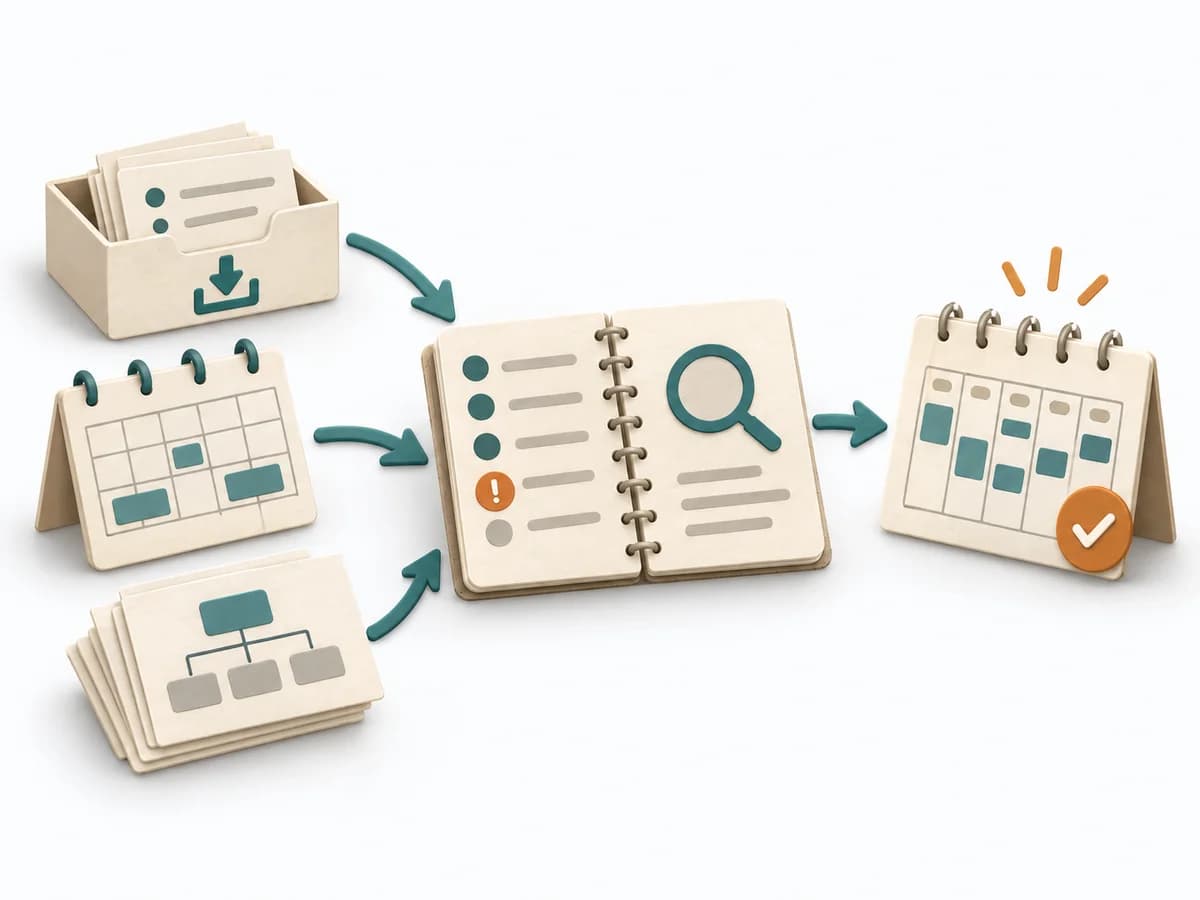 Operations Weekly Review | 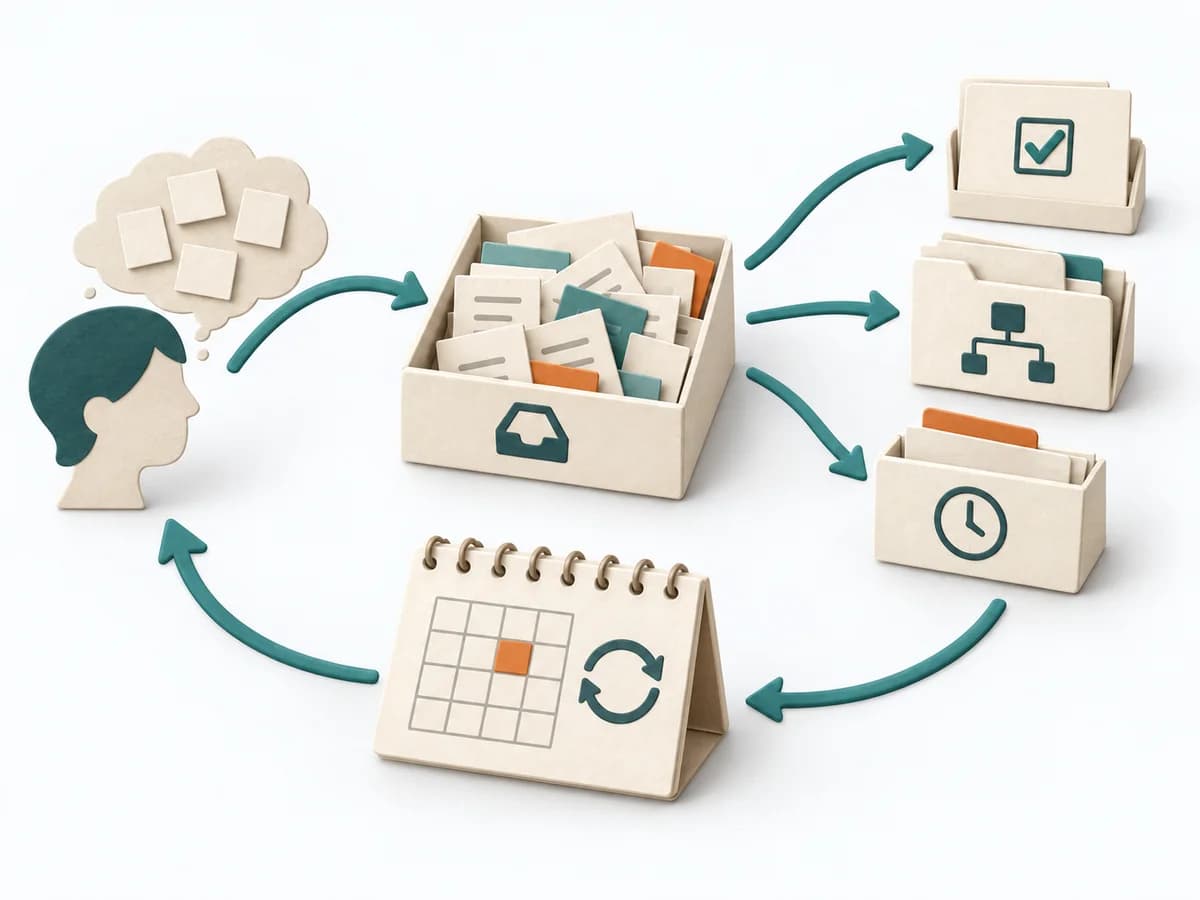 Operations Getting Things Done |  Architecture Architecture Decision Record |
|---|---|---|---|---|
Purposedifferent | An RFC clarifies architecture context, options, and consequences. It structures technical context, alternatives, tradeoffs, open questions, and review feedback, and captures the result as an RFC document, reviewer comments, and a decision rationale. | In a week with many open loops, the method creates distance from operational noise. It organizes commitments, calendar, and projects so the next week becomes workable. | With many open commitments and ideas in daily life, a reliable external storage system emerges. The method relieves the mind so priority and context don't have to compete in memory. | An ADR permanently records an architecture decision with context, trade-offs, and consequence. It creates continuity for later changes because the decision path stays traceable. |
Complexitydifferent | Medium | Low | Medium | Low |
Timedifferent | 1-3 Wochen vom Draft bis zur Entscheidung | 30-60 min | 1-2 h Setup, laufend | 15-45 min |
Participantsdifferent | 3-20 Reviewer | 1 | 1 | 1-3 |
Formatsame | Async | Async | Async | Async |
Outputdifferent | RFC document, Reviewer comments, Decision rationale, Follow-up ADR or tickets | Updated Task System, Weekly Focus, Next Actions | Action Lists, Project List, Review Routine | ADR File, Decision Log, Rationale |
Tagsno overlap | ArchitectureDecisionAsyncGovernance | ProductivityExecutionPlanning | ProductivityPlanningTasksExecution | ArchitectureRationaleDocumentationGovernance |