View methods side by side.
Choose up to four methods. Add them using the search and share the comparison by copying its link.
| Criterion | 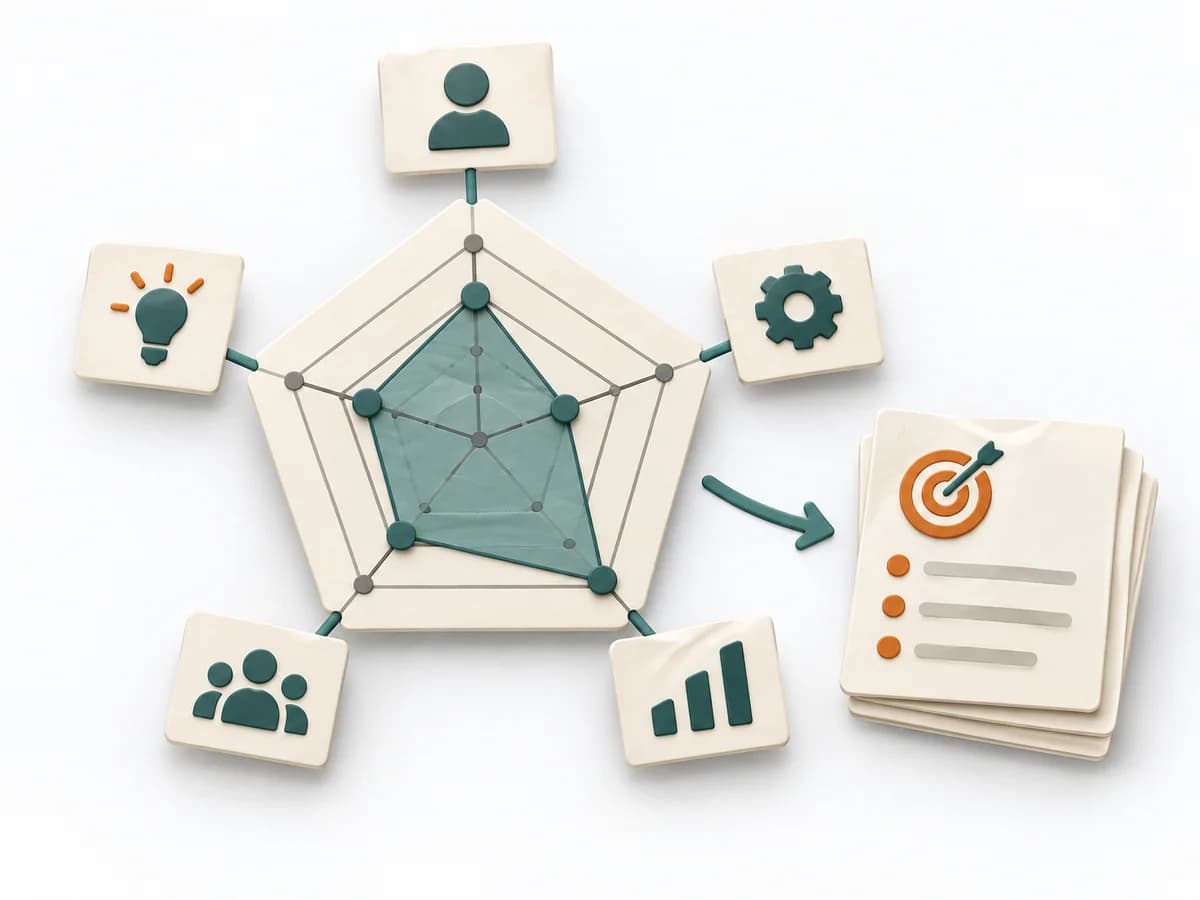 Decision Making Radar |  Operations Gemba Walk | 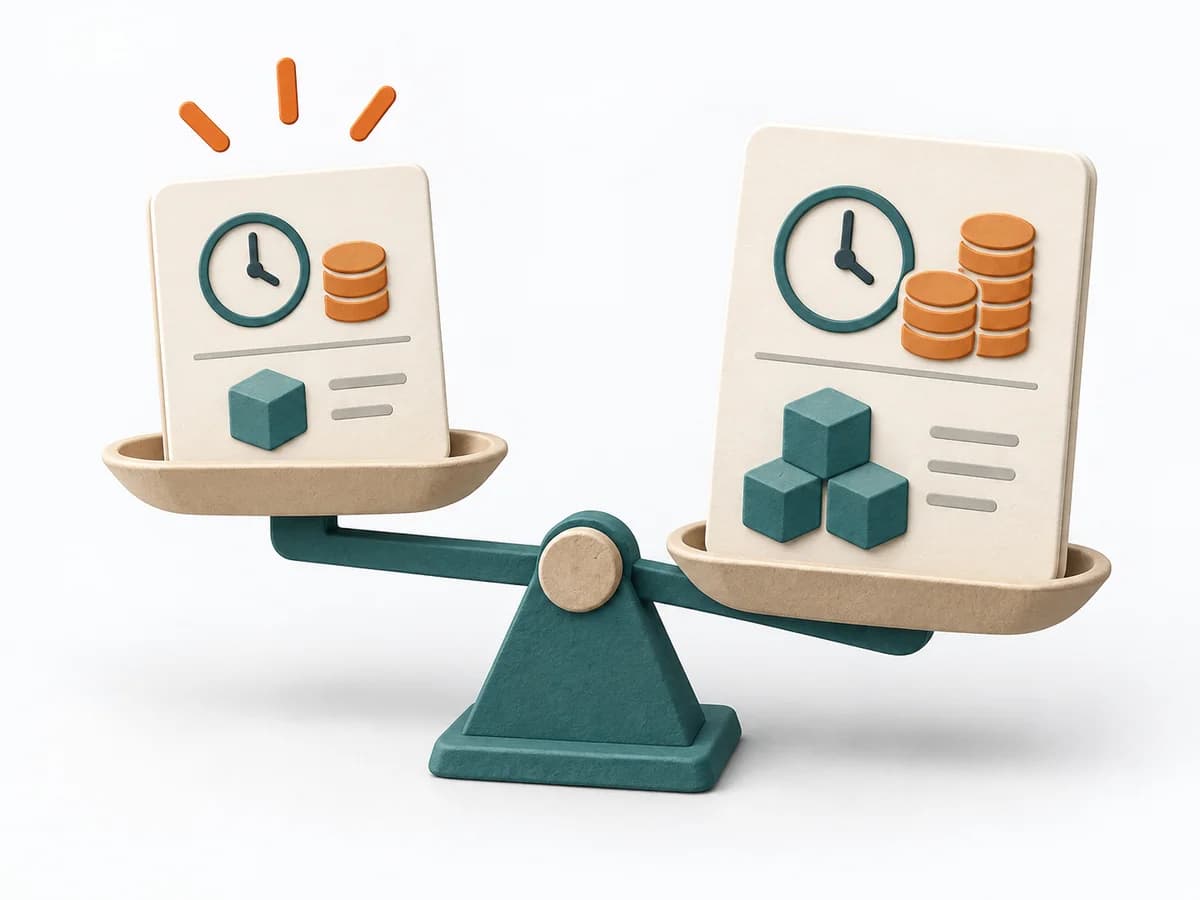 Agile WSJF | 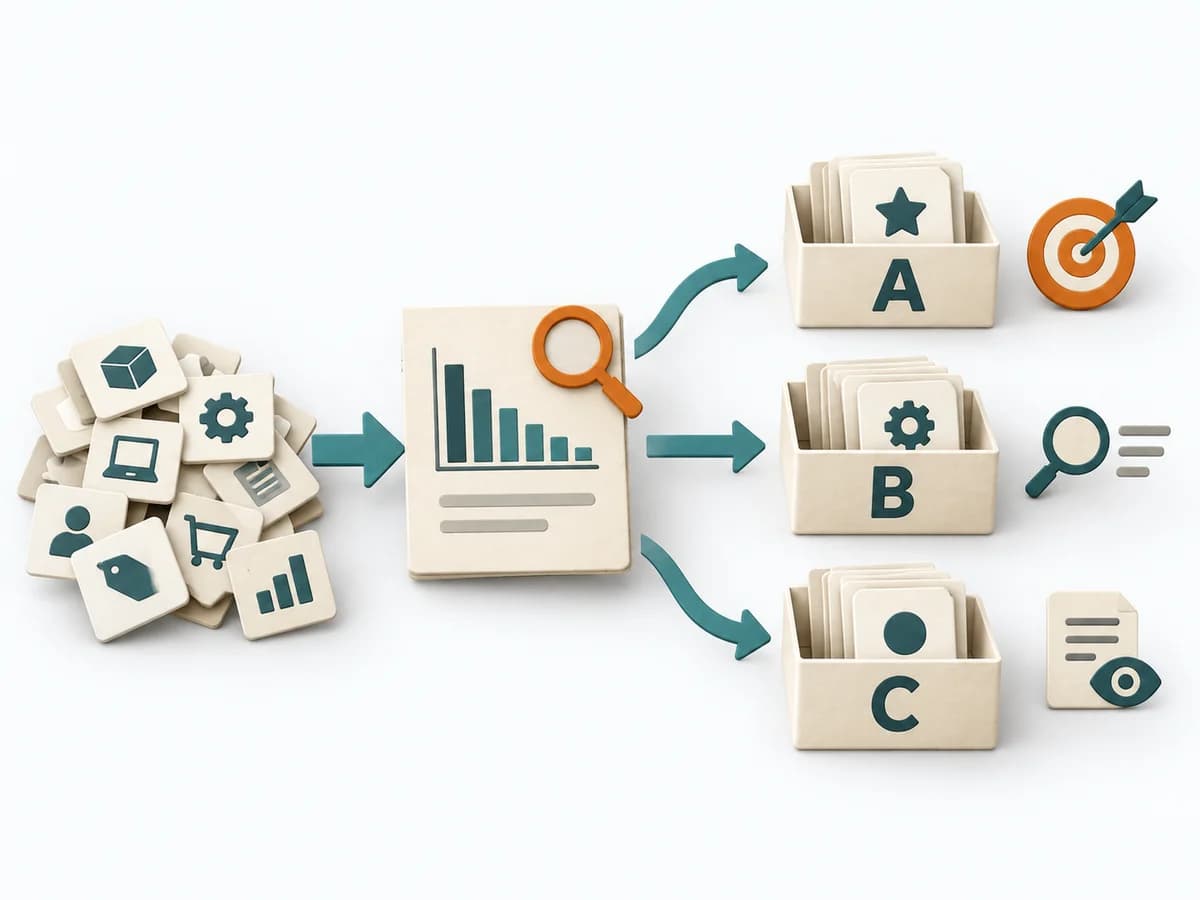 Operations ABC Analysis |
|---|---|---|---|---|
Purposedifferent | When capabilities, maturity levels, or market positions need to be compared across several dimensions, overview is easily lost. Radar brings different characteristics into a shared picture and shows patterns faster than tables do. | When there is uncertainty about the real course of a process, the method brings observation to the place where work happens. It combines perception, follow-up questions, and process knowledge so decisions rest on actual workflows instead of assumptions. | When many tasks compete for the same capacity, it orders work by economic impact. It makes time lost, benefit, and effort comparable together. | With many similar objects of differing economic significance, the method prioritizes effort by effect. It separates what needs regular steering from what rarely needs attention. |
Complexitydifferent | Medium | Low | High | Low |
Timedifferent | 1-2 h | 30-120 min | 45-90 min | 30-60 min |
Participantsdifferent | 2-10 | 2-6 | 3-10 | 1-5 |
Formatdifferent | Workshop + async | Workshop | Workshop | Async |
Outputdifferent | Radar Map, Capability Scores, Action Areas | Observation Notes, Improvement Ideas | Ranked Backlog, Cost-of-Delay Assumptions | ABC Classification, Focus Rules, Control List |
Tagsno overlap | AssessmentPortfolioCapability | LeanObservationProcessOperations | LeanEconomicsSequencePrioritization | PrioritizationOperationsPortfolio |