View methods side by side.
Choose up to four methods. Add them using the search and share the comparison by copying its link.
| Criterion |  Product Strategy Product Canvas |  Architecture Architecture Decision Record | 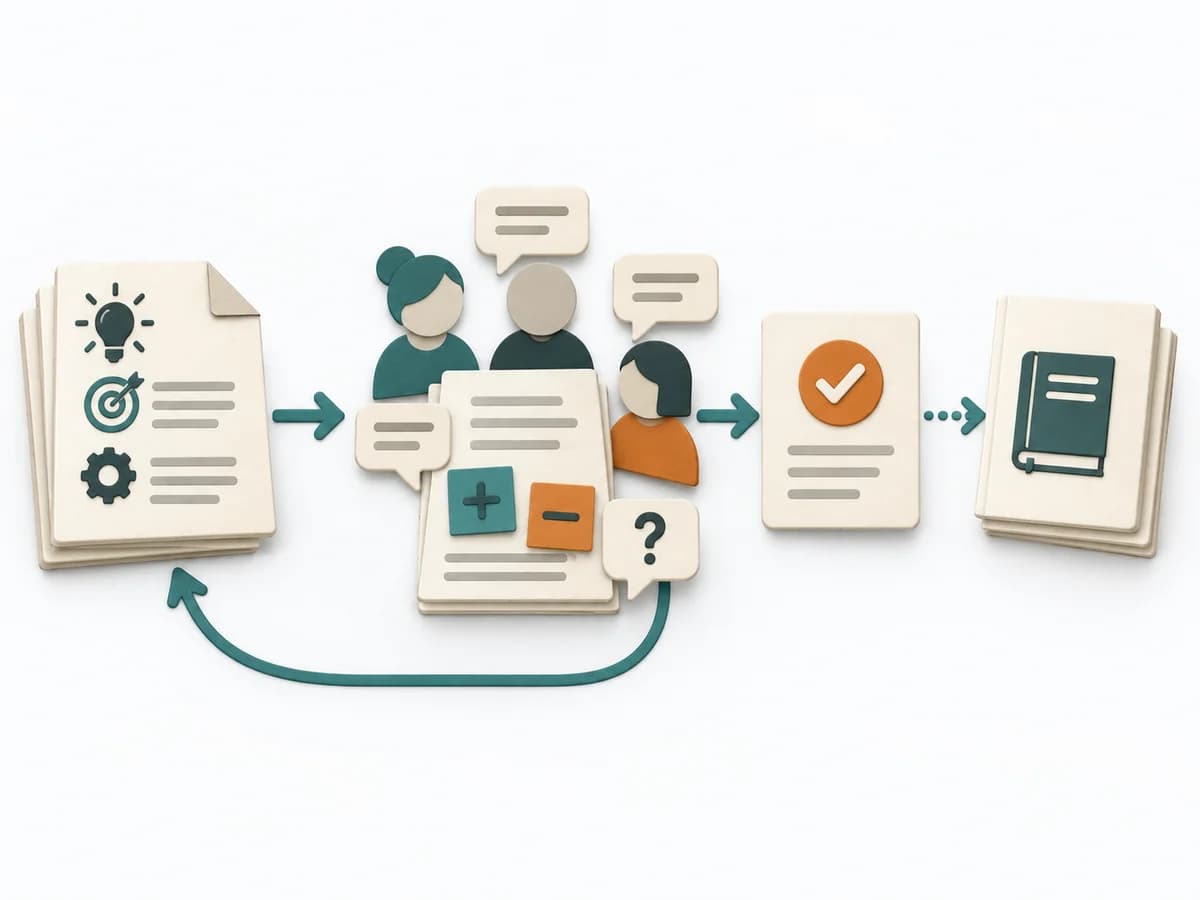 Architecture Request for Comments | 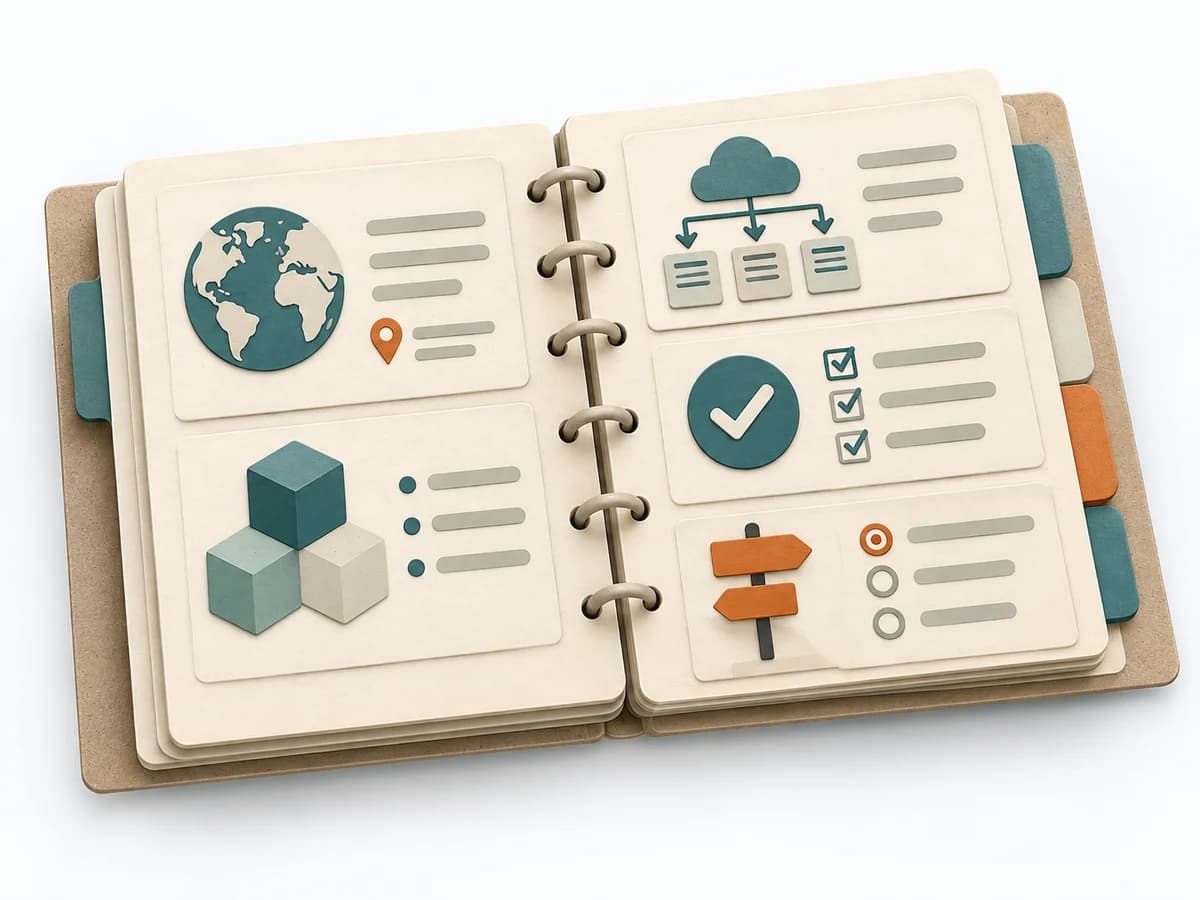 Architecture arc42 |
|---|---|---|---|---|
Purposedifferent | When product goal and feature scope don't yet fit cleanly together, it creates a shared working picture. It connects need, core features, and assumptions into a solid starting point. | An ADR permanently records an architecture decision with context, trade-offs, and consequence. It creates continuity for later changes because the decision path stays traceable. | An RFC clarifies architecture context, options, and consequences. It structures technical context, alternatives, tradeoffs, open questions, and review feedback, and captures the result as an RFC document, reviewer comments, and a decision rationale. | arc42 structures architecture knowledge so teams can document system, decisions, and risks consistently. The template builds a living understanding of the architecture instead of scattered notes. |
Complexitydifferent | Medium | Low | Medium | Low |
Timedifferent | 1-2 h | 15-45 min | 1-3 Wochen vom Draft bis zur Entscheidung | 1-2 Tage |
Participantsdifferent | 2-8 | 1-3 | 3-20 Reviewer | 1-4 |
Formatdifferent | Workshop + async | Async | Async | Workshop + async |
Outputdifferent | Product Canvas, Product Assumptions, Scope Notes | ADR File, Decision Log, Rationale | RFC document, Reviewer comments, Decision rationale, Follow-up ADR or tickets | Architecture Document, Context View, Runtime View, Deployment View |
Tagsno overlap | CanvasDiscoveryScope | ArchitectureRationaleDocumentationGovernance | ArchitectureDecisionAsyncGovernance | ArchitectureDocumentationCommunication |