View methods side by side.
Choose up to four methods. Add them using the search and share the comparison by copying its link.
| Criterion | 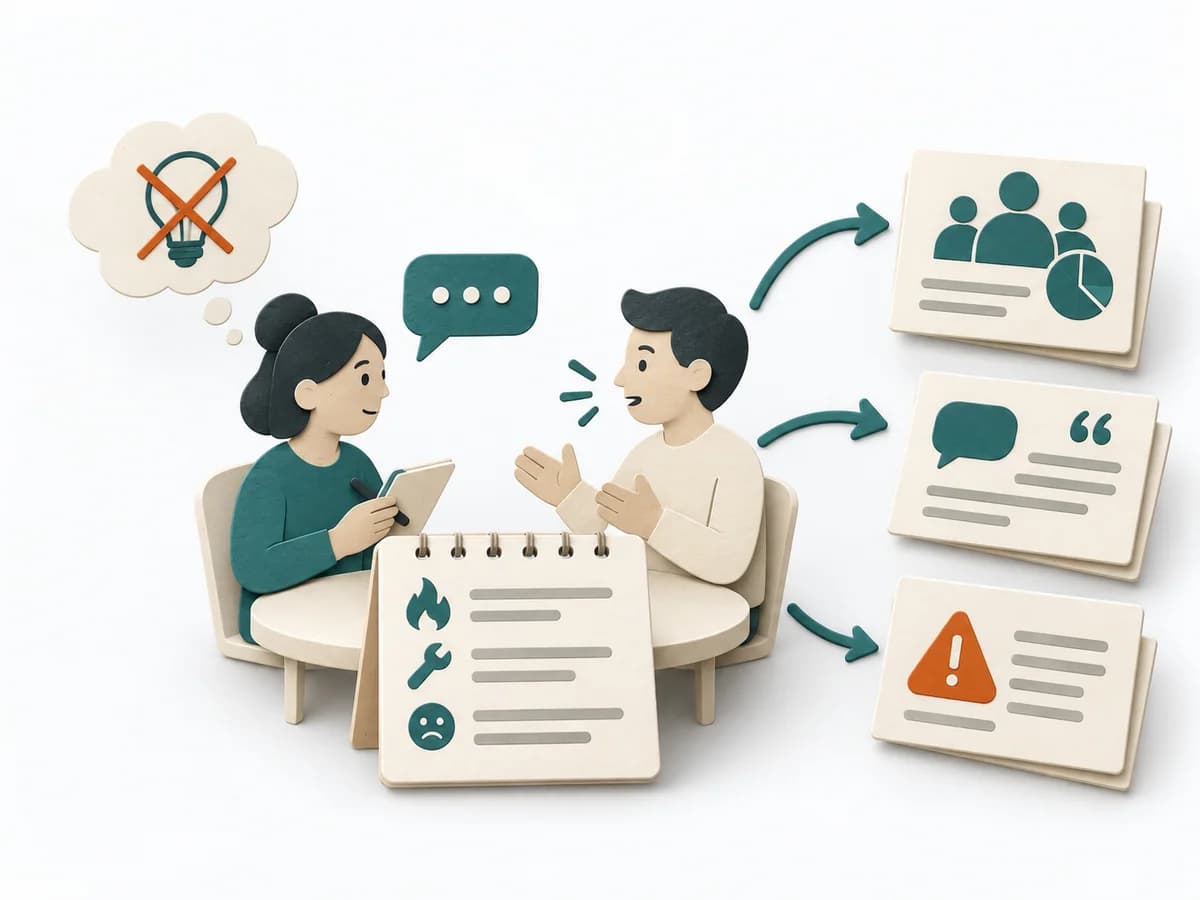 Product Discovery Problem Interview | 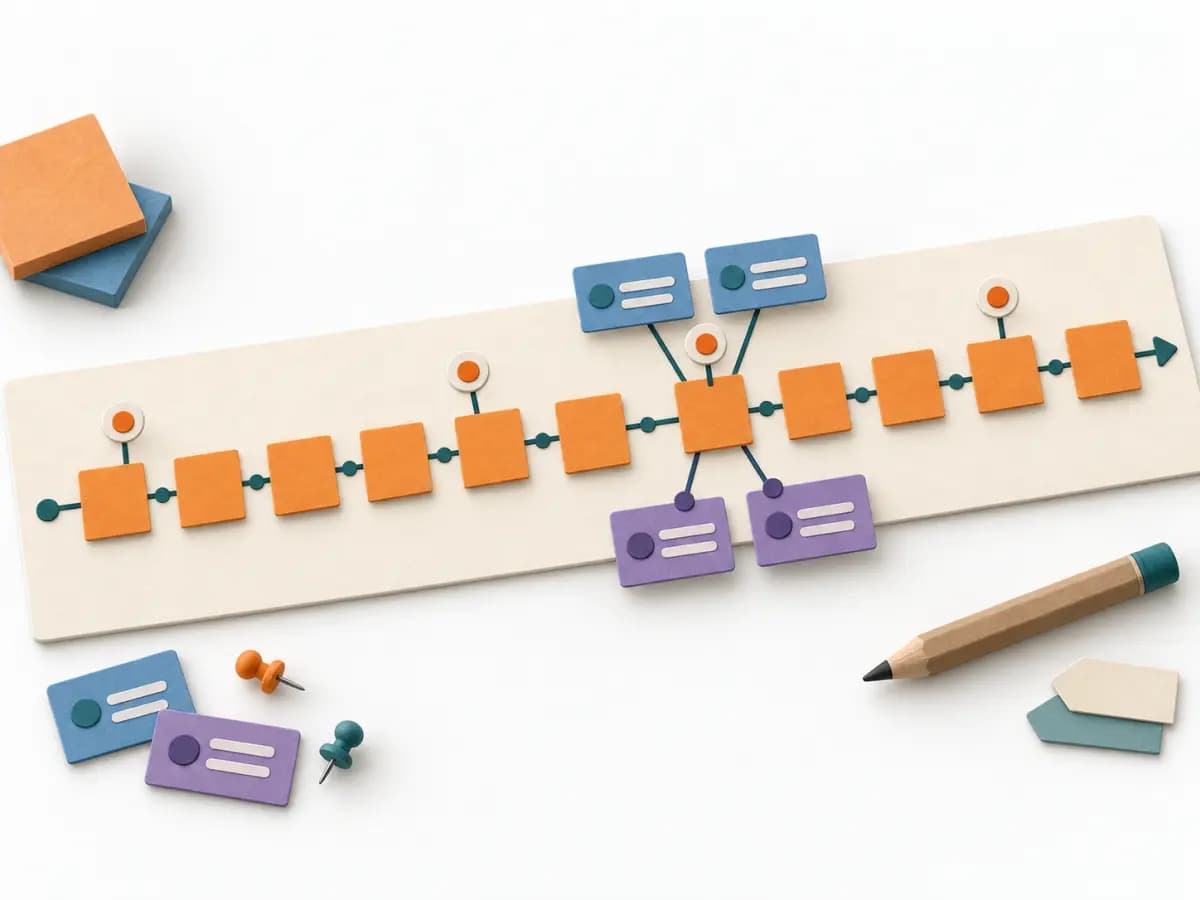 Domain Modeling EventStorming | 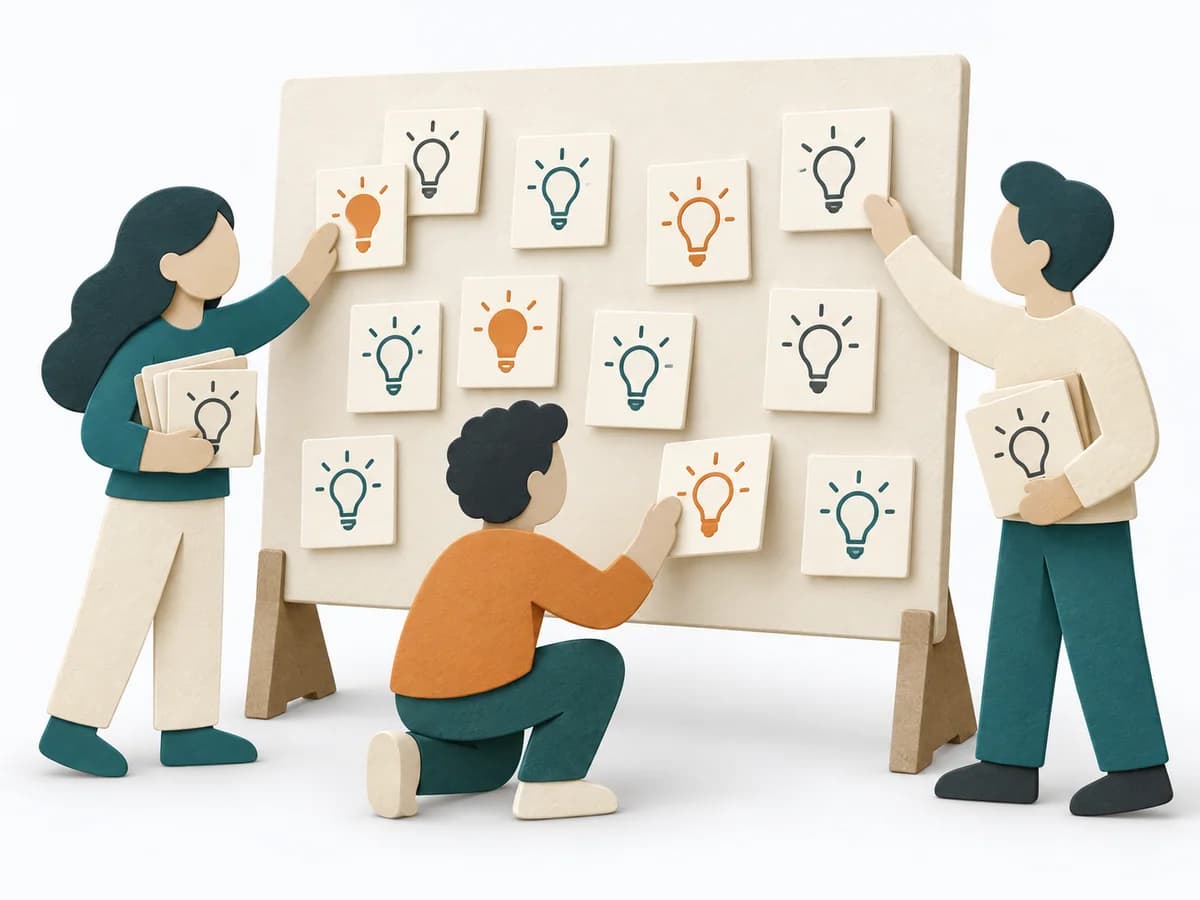 Innovation Brainstorming | 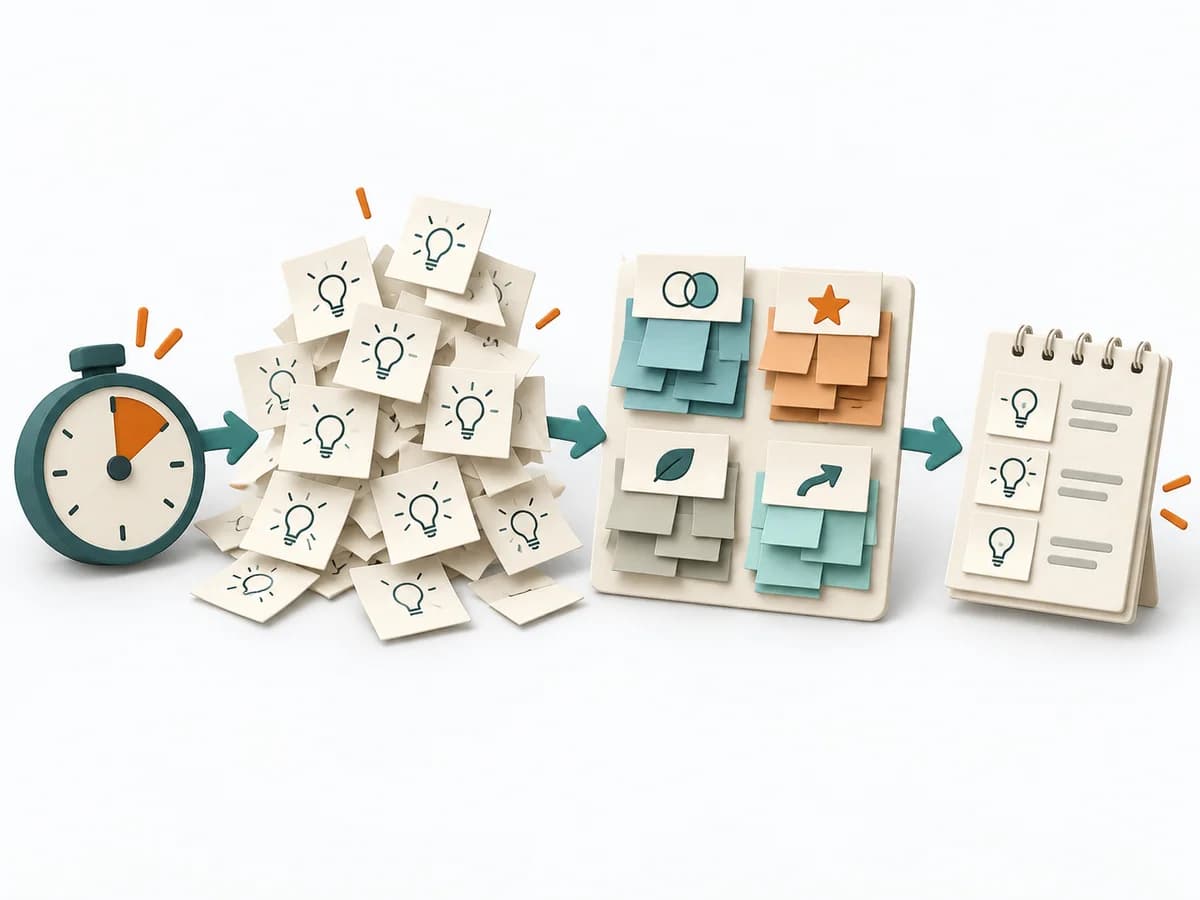 Innovation Rapid Ideation |
|---|---|---|---|---|
Purposedifferent | When the picture of the problem still needs to become solid, it asks about real situations and consequences. It separates genuine suffering from mere interest in a solution. | When a domain consists of many events, rules, and states, it creates a shared modeling space for the team. It bundles language, flows, and boundaries before domain knowledge fragments into siloed views. | When a team faces an open question with many obvious directions, the method first creates breadth instead of premature commitment. It separates idea flow from evaluation and makes lines of thought visible, creating a pool for selection and further development. | When a decision needs to be prepared quickly, the method generates many solution-close variants in a short time. It deliberately relies on pace to undercut self-censorship and perfectionism. This quickly produces a usable field for prioritization and further work. |
Complexitydifferent | Medium | Medium | Low | Low |
Timedifferent | 30-60 min je Interview | 2-8 h | 30-60 min | 5-20 min |
Participantsdifferent | 5-12 Interviews | 5-12 | 4-12 | 1-20 |
Formatdifferent | Workshop + async | Workshop | Workshop | Workshop + async |
Outputdifferent | Problem Evidence, Risk Notes, Customer Segments | Event Timeline, Ubiquitous Language, Boundaries, Open Questions | Idea pool, Theme clusters, Shortlist | Ideenpool, Roh-Shortlist, Cluster |
Tagsno overlap | DiscoveryInterviewsValidation | Domain-Driven DesignEventsDiscoveryWorkshop | BrainstormingIdeationCreativityWorkshopDivergence | BrainstormingIdeationDivergenceSpeed |