View methods side by side.
Choose up to four methods. Add them using the search and share the comparison by copying its link.
| Criterion |  Decision Making Pre-Mortem |  Architecture Architecture Decision Record | 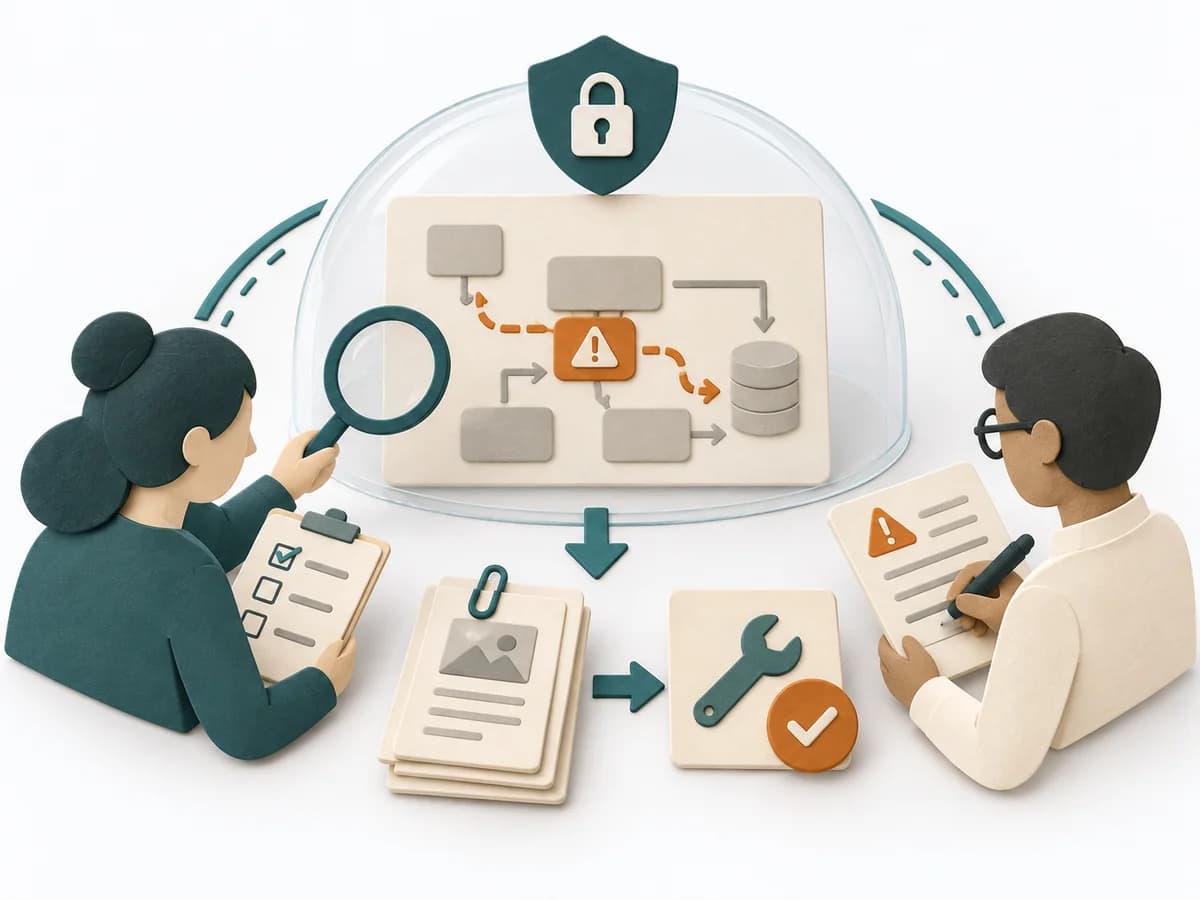 Decision Making Red Teaming | 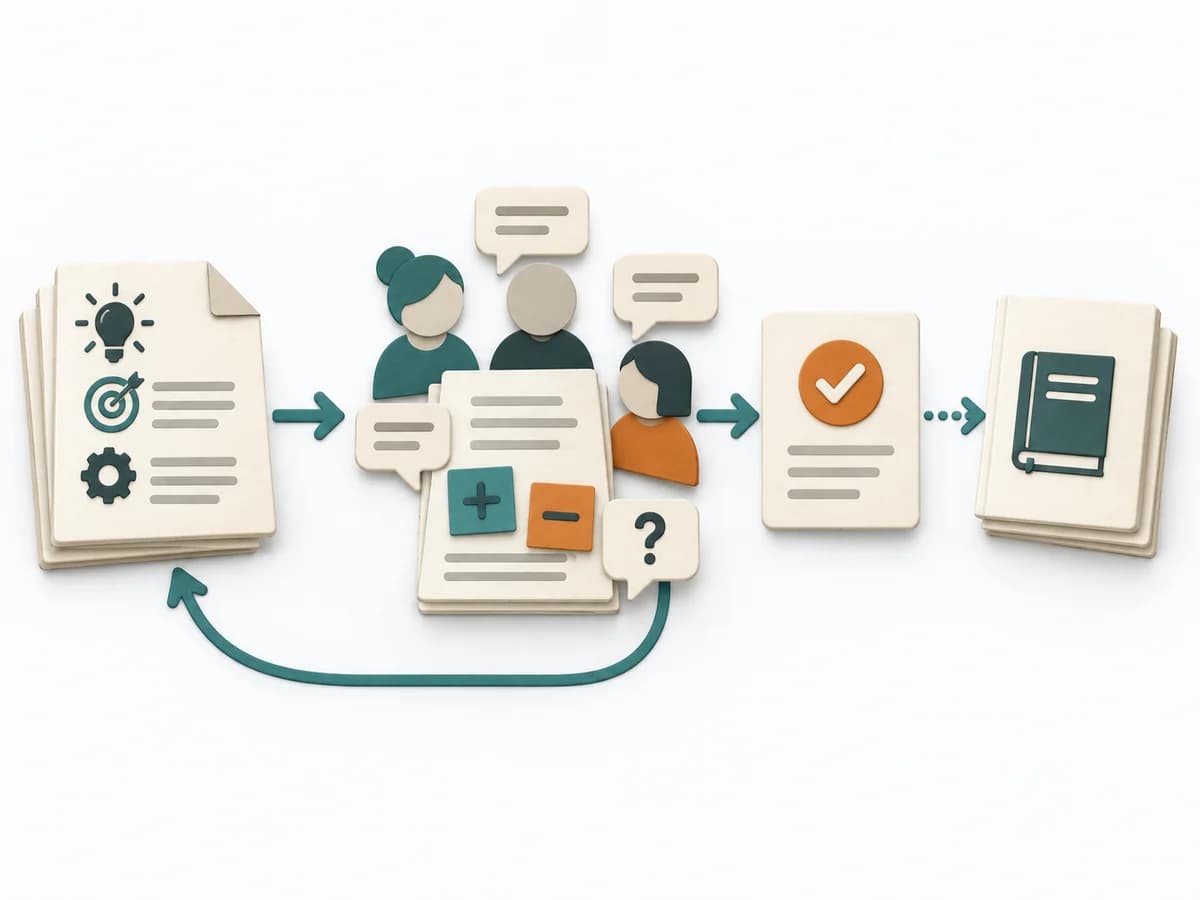 Architecture Request for Comments |
|---|---|---|---|---|
Purposedifferent | In early initiatives with many uncertainties, planning quickly turns too optimistic. A pre-mortem makes the expected failure visible in advance and sharpens the view of causes, gaps, and countermeasures. | An ADR permanently records an architecture decision with context, trade-offs, and consequence. It creates continuity for later changes because the decision path stays traceable. | For strategic decisions with high reach, agreement and gut feeling are often not enough. Red teaming brings deliberate opposition into the situation and tests where a plan breaks under real counterarguments. | An RFC clarifies architecture context, options, and consequences. It structures technical context, alternatives, tradeoffs, open questions, and review feedback, and captures the result as an RFC document, reviewer comments, and a decision rationale. |
Complexitydifferent | Low | Low | High | Medium |
Timedifferent | 20–45 min | 15-45 min | 1-4 h | 1-3 Wochen vom Draft bis zur Entscheidung |
Participantsdifferent | Small cross-functional group | 1-3 | 3-8 | 3-20 Reviewer |
Formatdifferent | Workshop | Async | Workshop | Async |
Outputdifferent | Risk list, Mitigation plan, Assumption log | ADR File, Decision Log, Rationale | Challenge Findings, Risk Register, Mitigation Plan | RFC document, Reviewer comments, Decision rationale, Follow-up ADR or tickets |
Tagsno overlap | RiskDecisionFailurePlanning | ArchitectureRationaleDocumentationGovernance | RiskDecisionSensemaking | ArchitectureDecisionAsyncGovernance |