View methods side by side.
Choose up to four methods. Add them using the search and share the comparison by copying its link.
| Criterion |  Systems Thinking Polarity Mapping |  Architecture Views and Beyond | 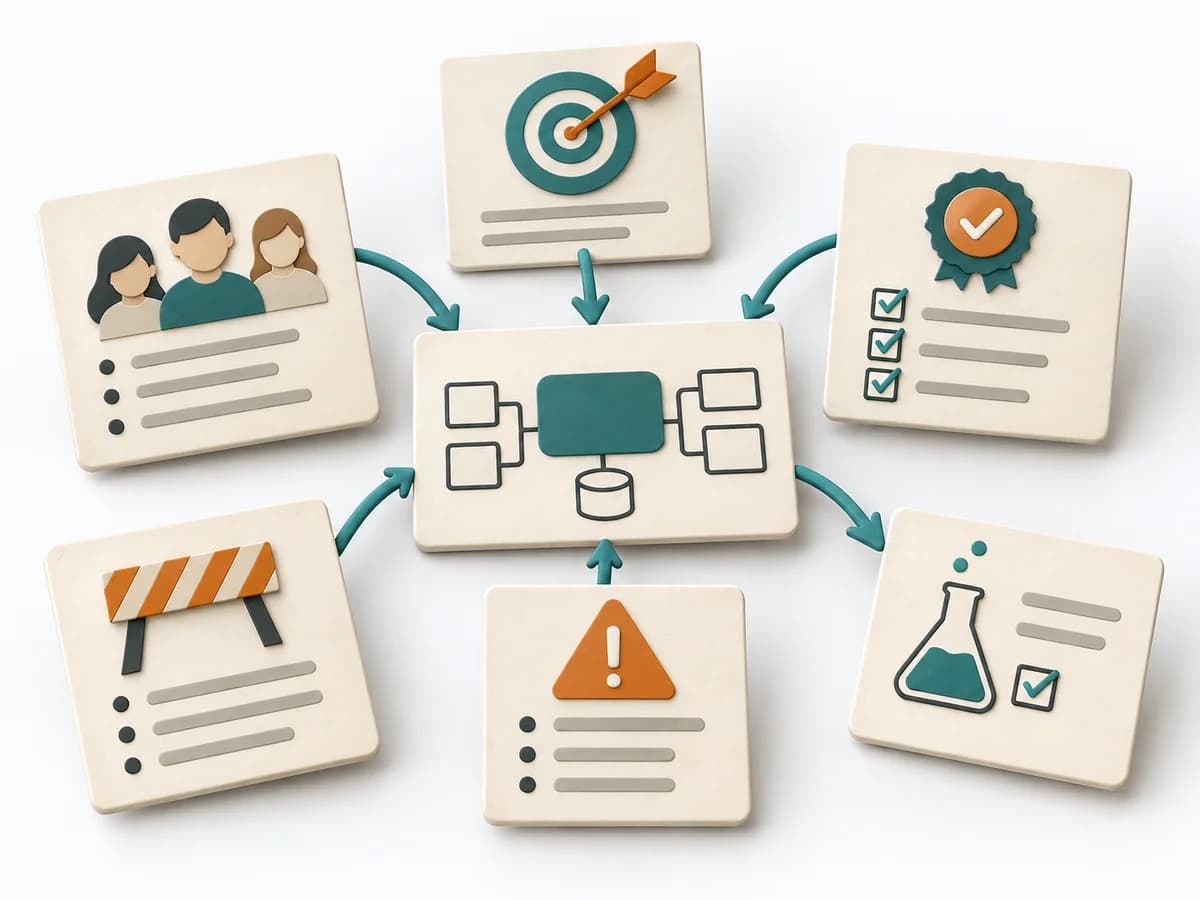 Architecture Architecture Inception Canvas | 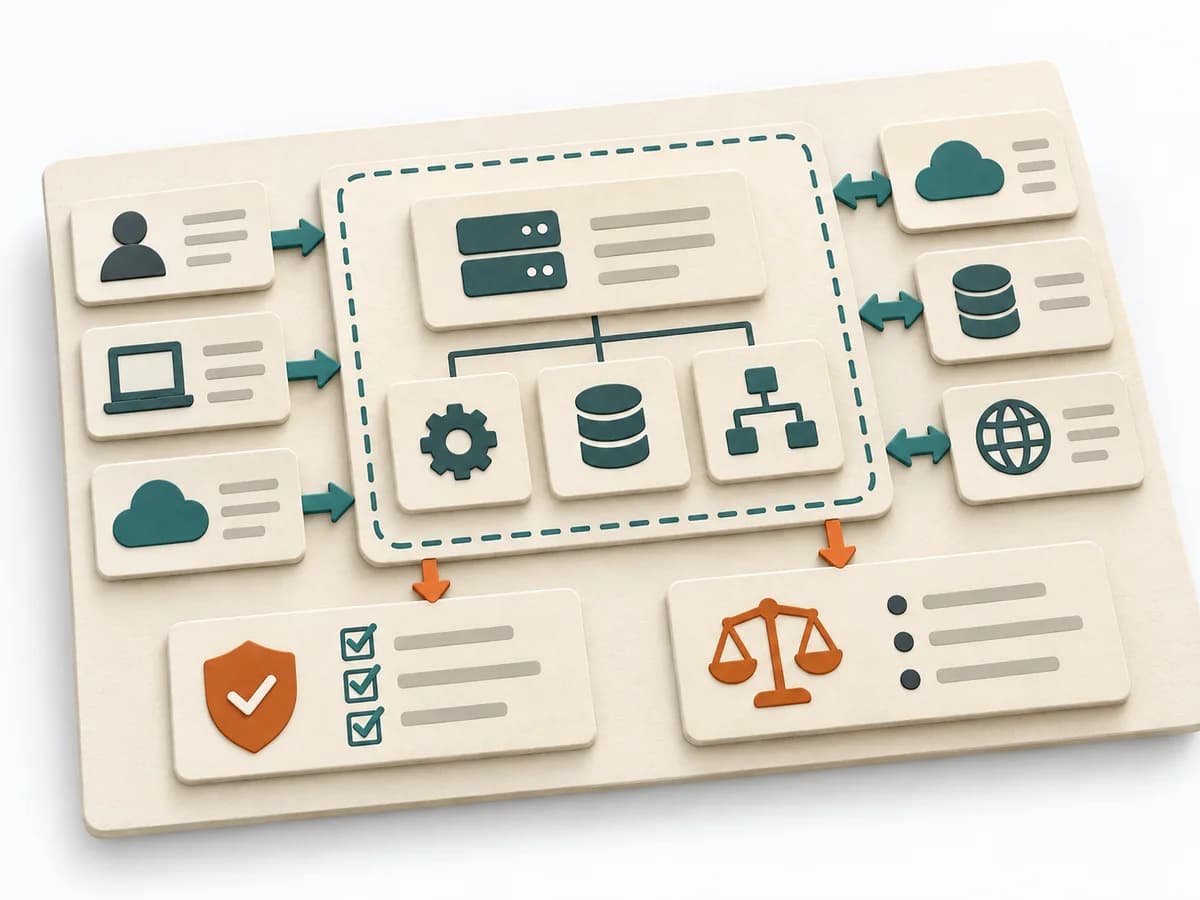 Architecture Software Architecture Canvas |
|---|---|---|---|---|
Purposedifferent | Polarity Mapping makes tensions between two opposing poles tangible, such as standardization and adaptation or control and autonomy. The method guards against making apparent either-or decisions prematurely. | Views and Beyond organizes architecture into several views so no single diagram has to do everything at once. This makes it possible to choose the representation that fits the stakeholder's question. | The Architecture Inception Canvas bundles the first architecture questions into a compact decision picture. It fits when an initiative is still in motion but still needs clear guardrails. | The Software Architecture Canvas reduces a system to the most important architecture decisions, constraints, and interfaces. It is useful when teams need a resilient overall picture quickly. |
Complexitydifferent | Medium | Medium | Low | Low |
Timedifferent | 1-2 h | 1-3 Tage | 1-2 h | 1-2 h |
Participantsdifferent | 3-12 | 1-4 | 3-8 | 3-10 |
Formatdifferent | Workshop | Workshop + async | Workshop | Workshop |
Outputdifferent | Polarity Map, Warning Signs, Balance Actions | Architecture Views, Cross-view Notes, Rationale | Inception Canvas, Risks, Goal List, Open Questions | Architecture Canvas, Goals, Constraints, Quality Attributes |
Tagsno overlap | Systems thinkingTradeoffsLeadership | DocumentationStakeholdersArchitecture | AlignmentArchitectureCanvas | CanvasArchitectureAlignmentWorkshop |