View methods side by side.
Choose up to four methods. Add them using the search and share the comparison by copying its link.
| Criterion |  Systems Thinking Polarity Mapping |  Facilitation Responsibility Poker | 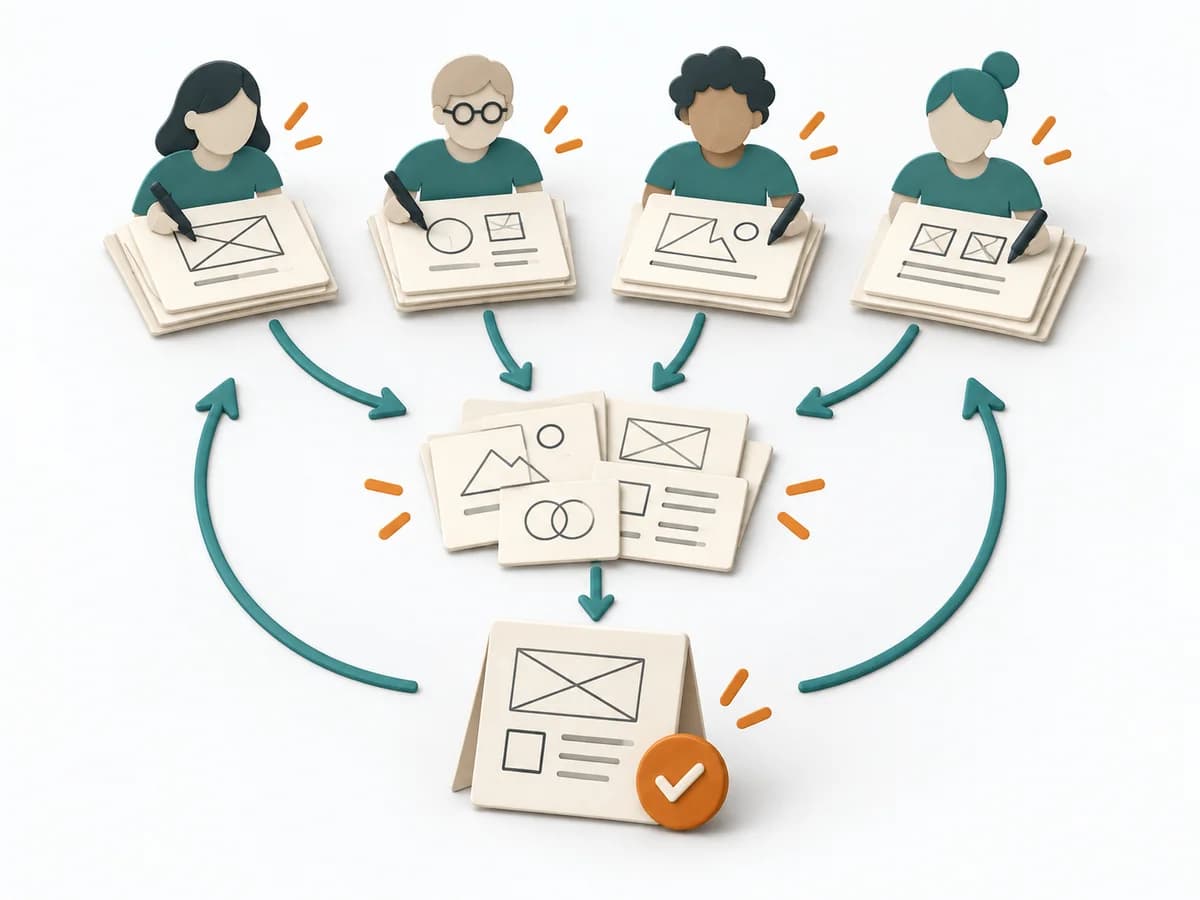 Innovation Design Charrette |  Innovation Brainstorming |
|---|---|---|---|---|
Purposedifferent | Polarity Mapping makes tensions between two opposing poles tangible, such as standardization and adaptation or control and autonomy. The method guards against making apparent either-or decisions prematurely. | When it stays unclear who carries responsibility and who only contributes, Responsibility Poker makes the distribution of responsibility explicit. It sharpens the boundaries between weighing in, deciding, and bearing consequences. | In a tightly timed design process with many participants, the method pools several lines of thinking in a short time. It brings parallel design energy without letting the discussion tip into endless coordination. This quickly produces solid directions for architecture or space. | When a team faces an open question with many obvious directions, the method first creates breadth instead of premature commitment. It separates idea flow from evaluation and makes lines of thought visible, creating a pool for selection and further development. |
Complexitydifferent | Medium | Low | Medium | Low |
Timedifferent | 1-2 h | 45-90 min | Halber Tag bis mehrere Tage | 30-60 min |
Participantsdifferent | 3-12 | 3-10 | 10-50 | 4-12 |
Formatsame | Workshop | Workshop | Workshop | Workshop |
Outputdifferent | Polarity Map, Warning Signs, Balance Actions | Responsibility Map, Role Agreements, Open Questions | Sketches and Concepts, Consolidated Solution Sketch, Prioritized Direction | Idea pool, Theme clusters, Shortlist |
Tagsno overlap | Systems thinkingTradeoffsLeadership | RolesResponsibilityTeamFacilitation | BrainstormingWorkshopCollaborationIdeation | BrainstormingIdeationCreativityWorkshopDivergence |