View methods side by side.
Choose up to four methods. Add them using the search and share the comparison by copying its link.
| Criterion | 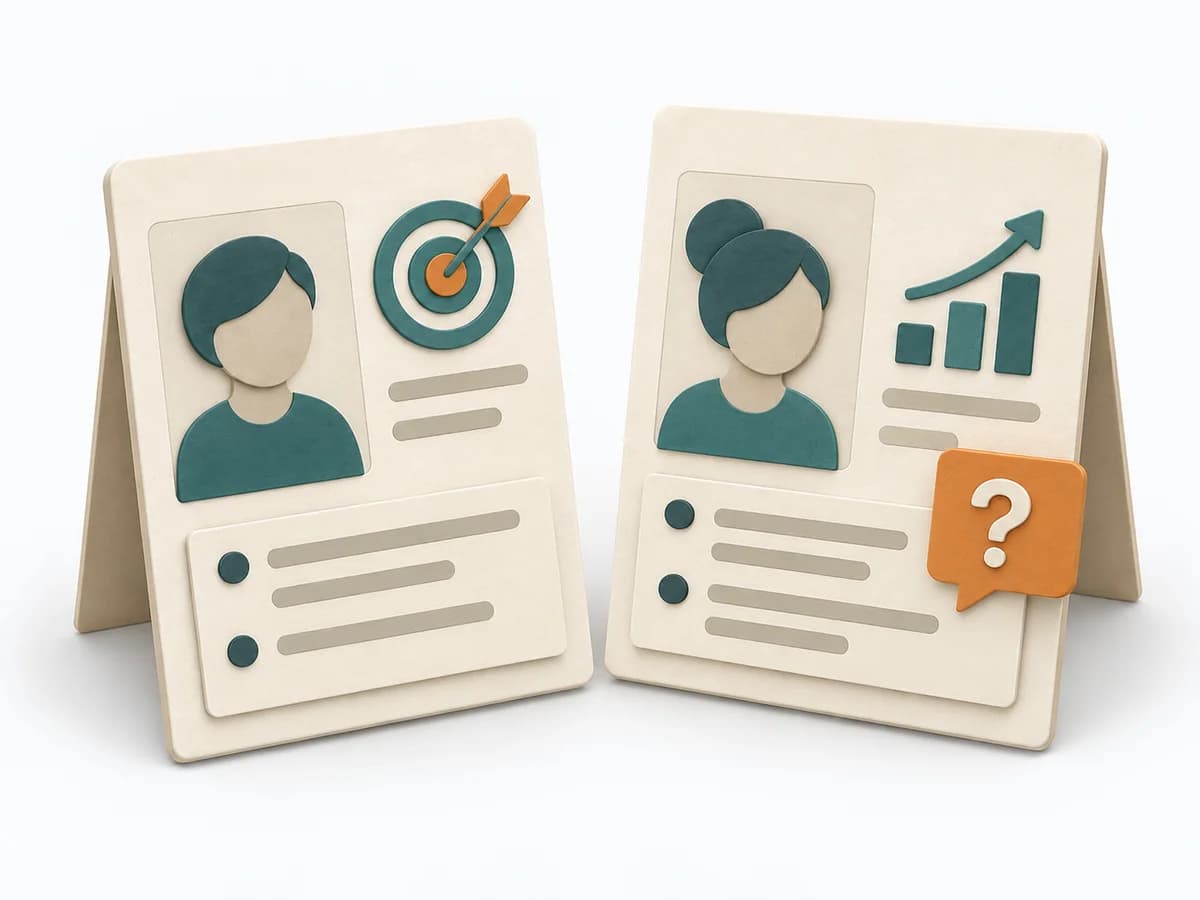 UX Research Personas | 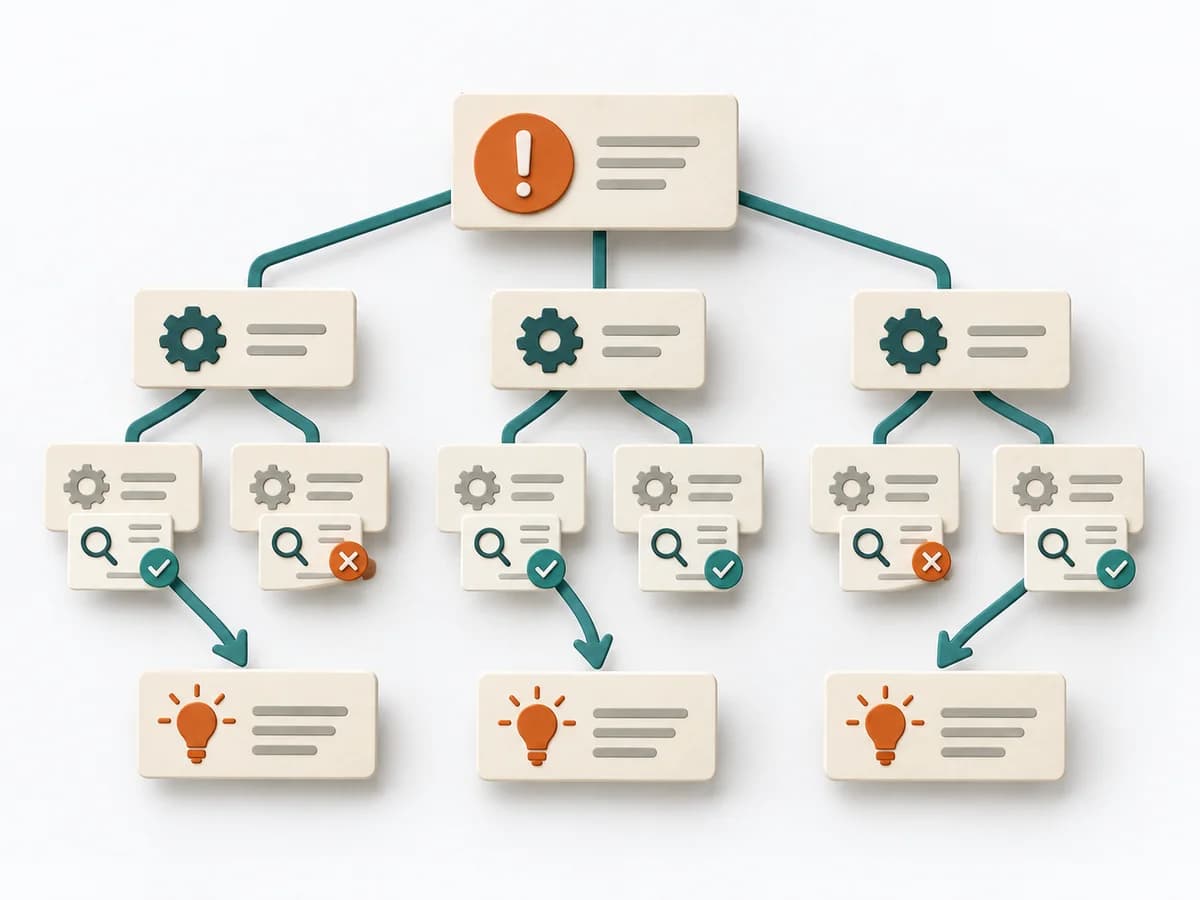 Operations Root Cause Tree Analysis |  UX Research User Interviews | 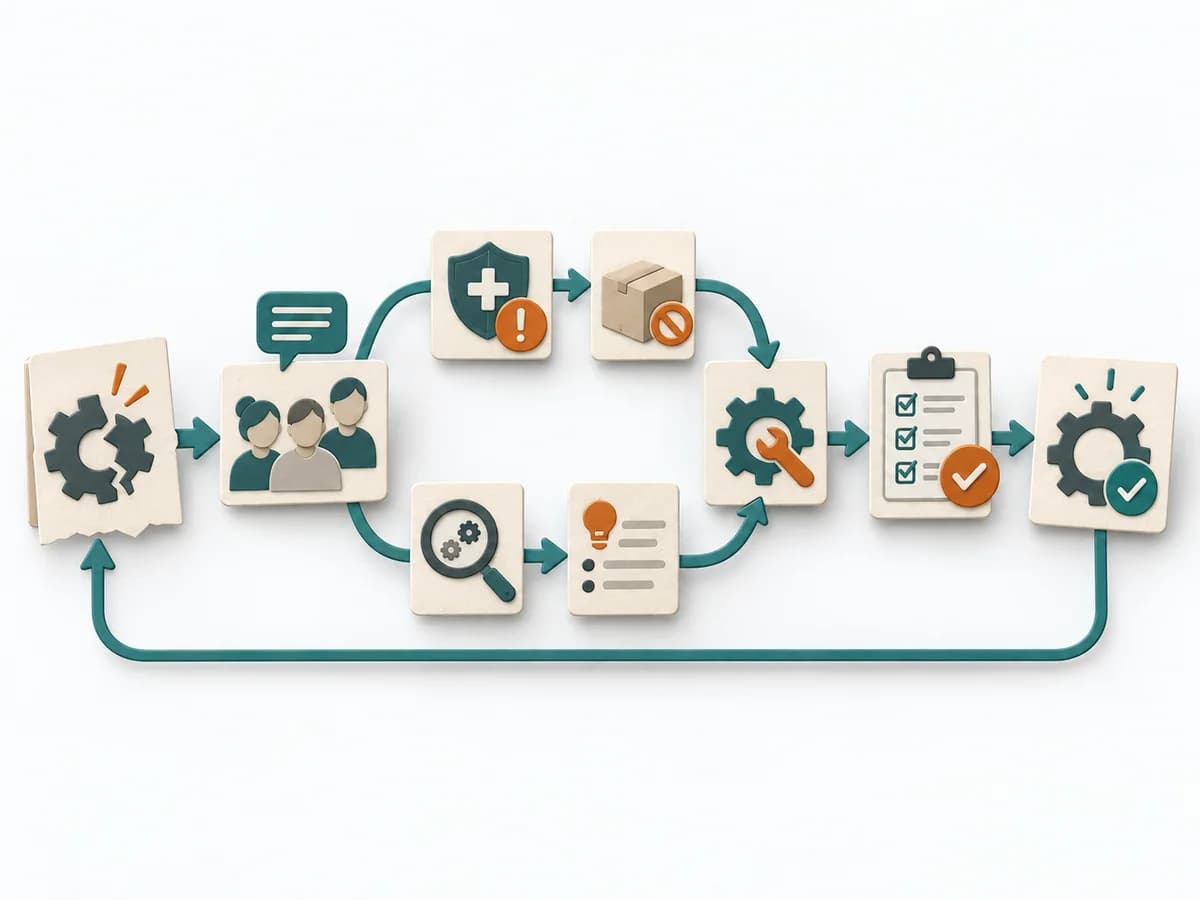 Operations 8D Problem Solving |
|---|---|---|---|---|
Purposedifferent | When target groups stay too vague and teams talk about the same people differently, personas create a shared, solid picture of usage. Condensed profiles make needs, contexts, and differences tangible enough for decisions. | For a problem with several suspected causes, the method builds a causal structure instead of a mere list. It makes visible how causes connect and where the strongest points of leverage lie. | When teams derive needs only from assumptions and real motives are missing, user interviews give direct access to behavior and meaning. Conversations from the target group's everyday life make patterns, tensions, and open questions solidly visible. | For an acute quality or delivery problem, the method structures immediate protection and root cause work together. It keeps the situation stable while the actual cause is investigated cleanly. |
Complexitydifferent | Medium | Medium | Low | High |
Timedifferent | 1-3 Tage | 1-3 h | 30–60 min per interview | 1-6 Wochen |
Participantsdifferent | Internes Team | 2-8 | 1 participant per interview | 4-10 |
Formatdifferent | Workshop + async | Workshop | Workshop + async | Workshop + async |
Outputdifferent | Persona Profiles, Needs Summary, Scenario Notes | Cause Tree, Evidence Notes, Countermeasures | Interview Notes, Themes, Insight Summary | 8D Report, Containment Plan, Root Cause Evidence, Corrective Action Plan |
Tagsno overlap | ResearchCustomerSynthesis | Root causeTreeIncidentQuality | QualitativeResearchCustomerDiscovery | QualityProblem solvingRoot cause |