View methods side by side.
Choose up to four methods. Add them using the search and share the comparison by copying its link.
| Criterion | 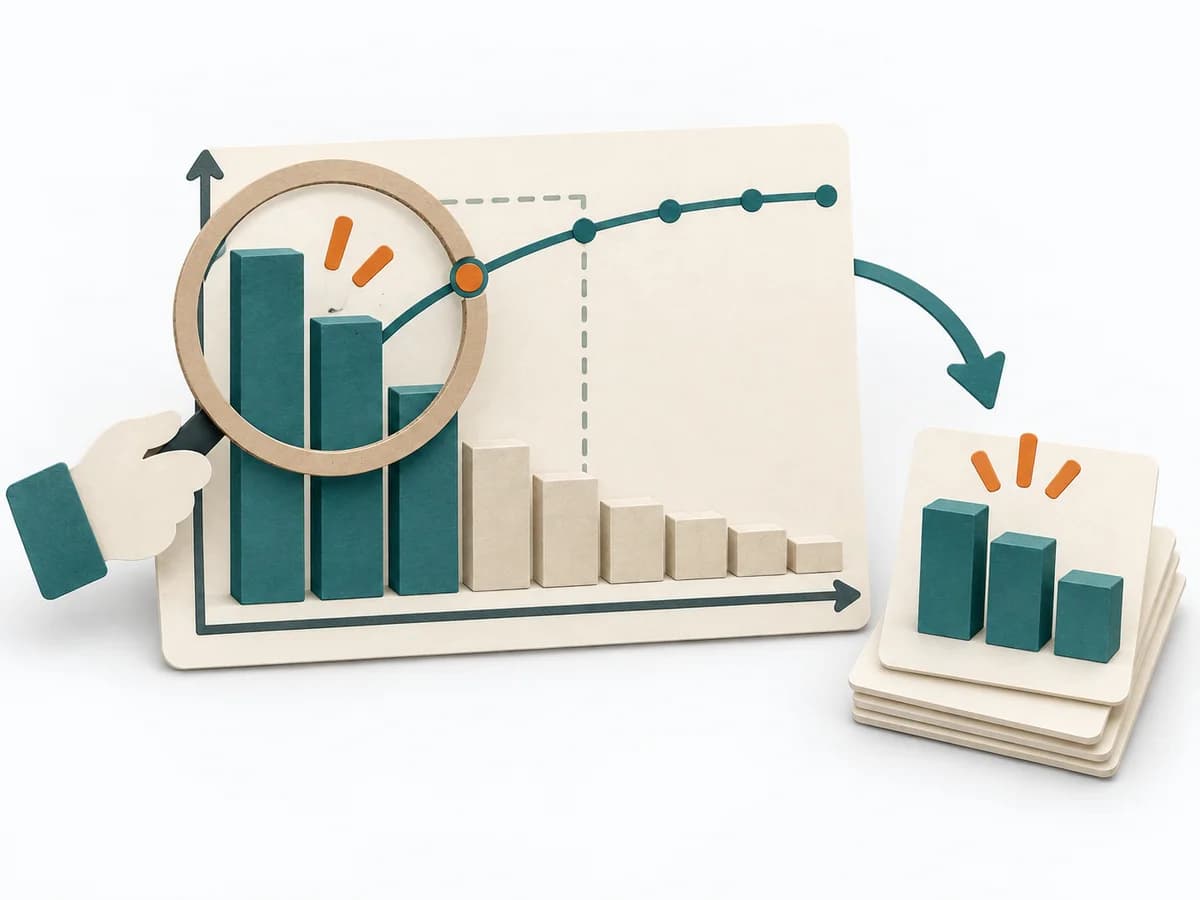 Decision Making Pareto Analysis | 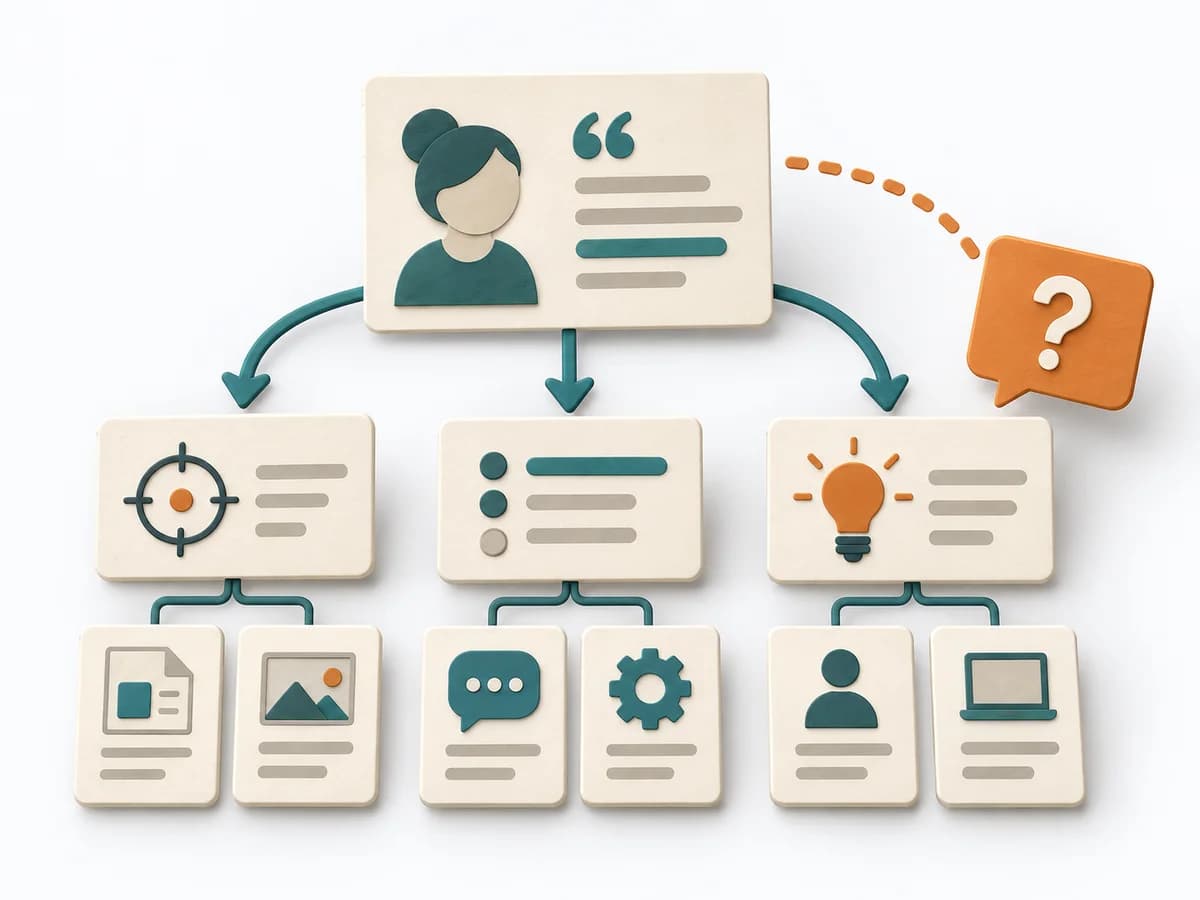 Agile Example Mapping | 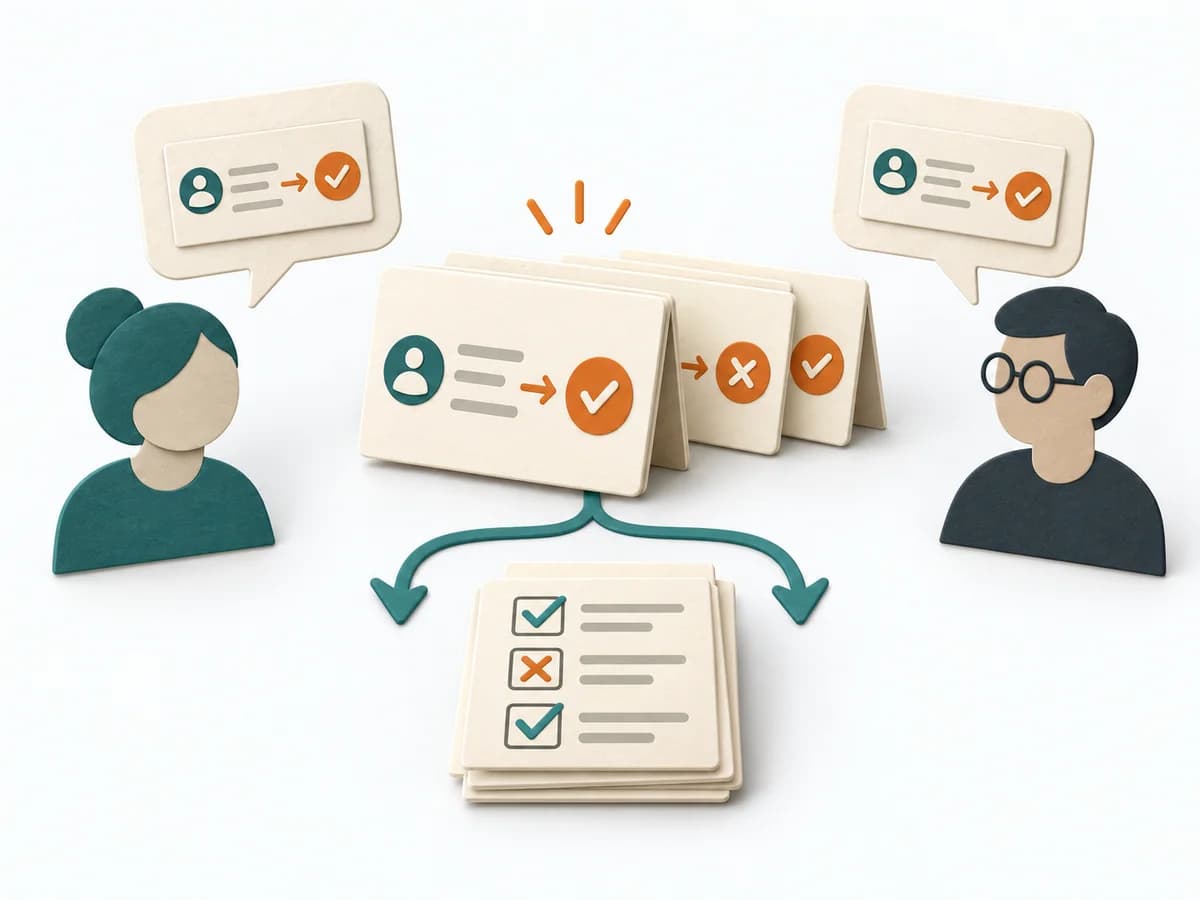 Agile Specification by Example | 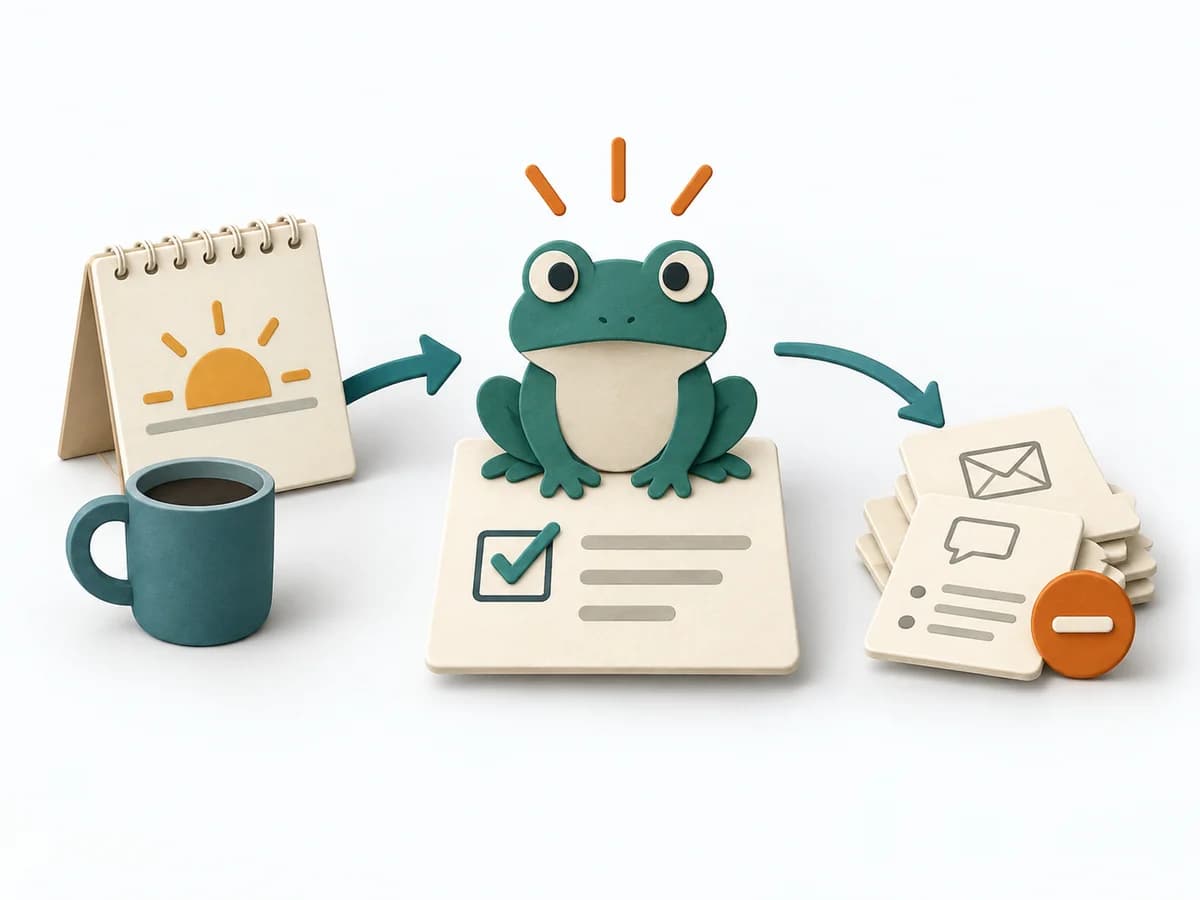 Operations Eat the Frog |
|---|---|---|---|---|
Purposedifferent | In many problem situations, effect is distributed unequally across many causes. A Pareto Analysis separates the few drivers with high leverage from the long remainder and focuses attention on what measurably moves the needle. | When a story carries business rules and exceptions, it brings clarity before implementation. It makes examples, open questions, and boundaries visible enough that the logic becomes jointly sound. | When business rules need to become precise, it ties language, example, and test together. It sorts work by value, risk, and delivery ability. The result is captured as an Example Table and Acceptance Tests. | The method protects energy and attention for the task that creates the largest progress and is often postponed. |
Complexitydifferent | Low | Low | Medium | Low |
Timedifferent | 30-60 min | 30-60 min | 60-90 min pro Feature | 15-90 min daily |
Participantsdifferent | 1-6 | 3-7 | 3-6 | 1 |
Formatdifferent | Workshop + async | Workshop | Workshop | Async |
Outputdifferent | Pareto Chart, Top Causes, Focus List | Example Map, Acceptance Criteria, Open Questions | Example Table, Acceptance Tests | Priority Task, Completion Note, Daily Focus |
Tagsno overlap | PrioritizationQualityFocusRoot cause | Behavior-Driven DevelopmentRequirementsExamplesRefinement | AgileRequirementsExamplesBehavior-Driven Development | PrioritizationProductivityFocusExecution |