View methods side by side.
Choose up to four methods. Add them using the search and share the comparison by copying its link.
| Criterion |  Knowledge Modeling PARA Method | 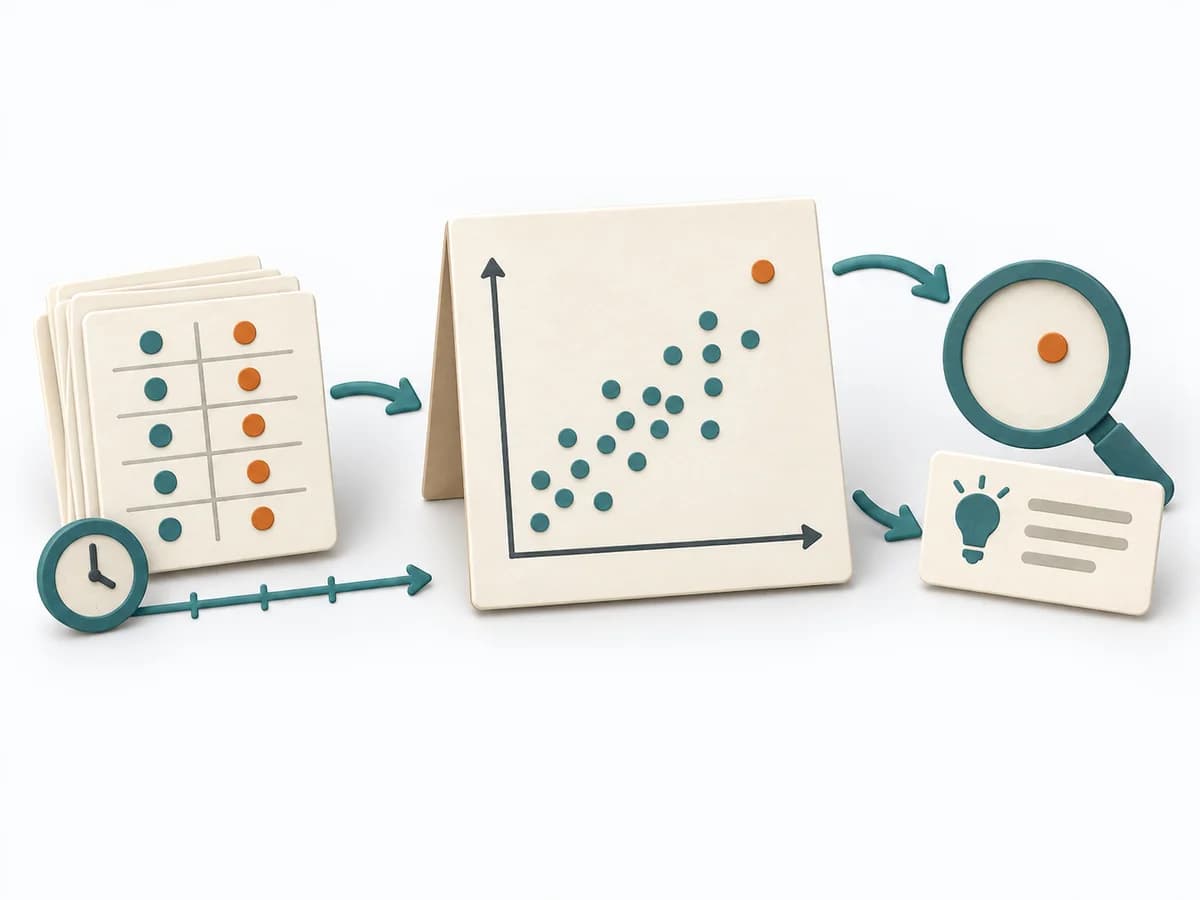 Operations Scatter Diagram | 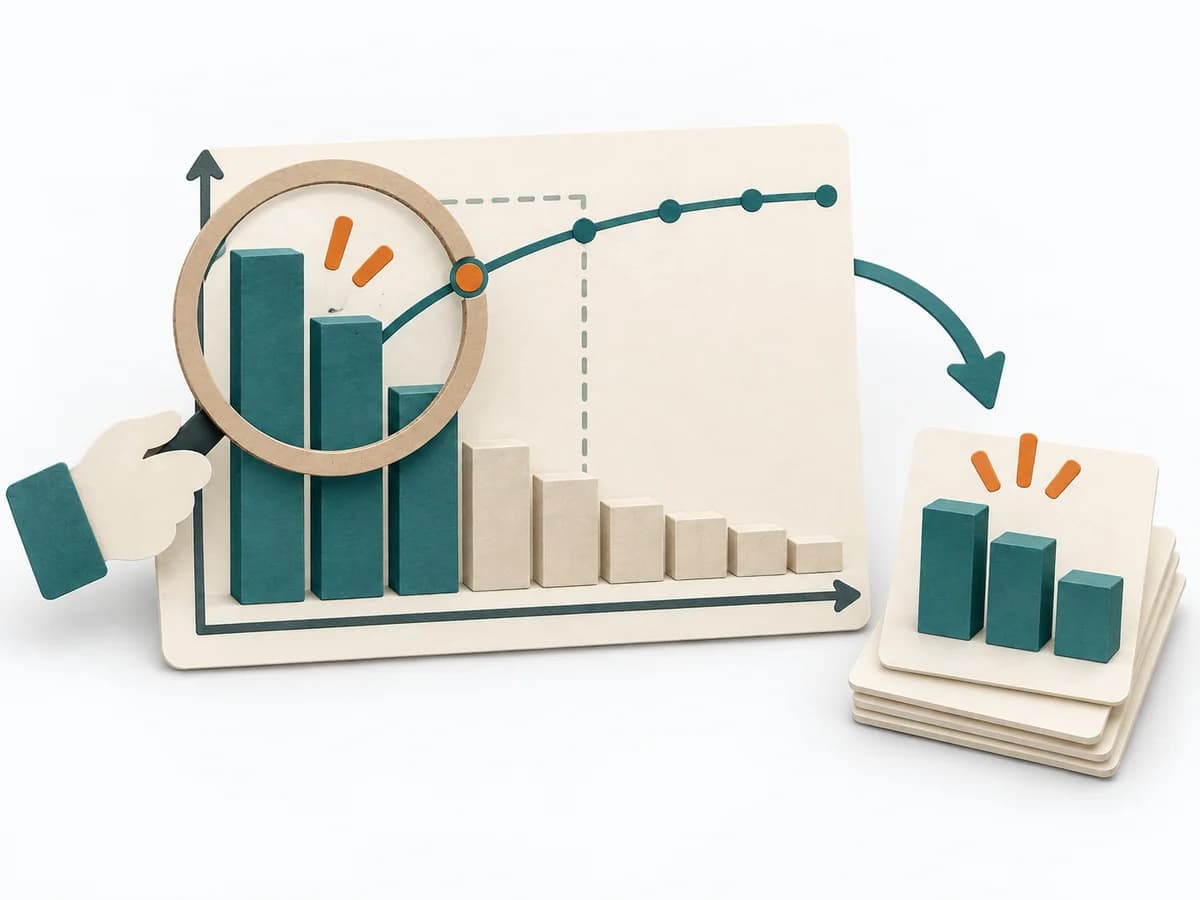 Decision Making Pareto Analysis |  Decision Making Eisenhower Matrix |
|---|---|---|---|---|
Purposedifferent | The PARA Method organizes knowledge into Projects, Areas, Resources, and Archives. It creates order when digital notes, files, and tasks no longer cleanly fit current work. | When the question is whether two measures are related, the method makes patterns in the data picture visible. It separates felt correlations from relationships that actually show up in the data. | In many problem situations, effect is distributed unequally across many causes. A Pareto Analysis separates the few drivers with high leverage from the long remainder and focuses attention on what measurably moves the needle. | It separates true priorities from noise so it becomes clear what should be done now, scheduled, delegated, or dropped. |
Complexitydifferent | Medium | Low | Low | Low |
Timedifferent | 1-3 h Setup, laufend | 30-90 min | 30-60 min | 15-30 min |
Participantsdifferent | 1 | 1-4 | 1-6 | 1-6 |
Formatdifferent | Async | Workshop + async | Workshop + async | Workshop + async |
Outputdifferent | PARA Structure, Project Notes, Knowledge Archive | Scatter Plot, Korrelationsnotiz, Hypothesenliste | Pareto Chart, Top Causes, Focus List | Eisenhower Matrix, Action List, Delegation Notes |
Tagsno overlap | KnowledgeProductivityOrganization | Root causeQualityVisualization | PrioritizationQualityFocusRoot cause | PrioritizationFocusTasks |