View methods side by side.
Choose up to four methods. Add them using the search and share the comparison by copying its link.
| Criterion |  Knowledge Modeling PARA Method | 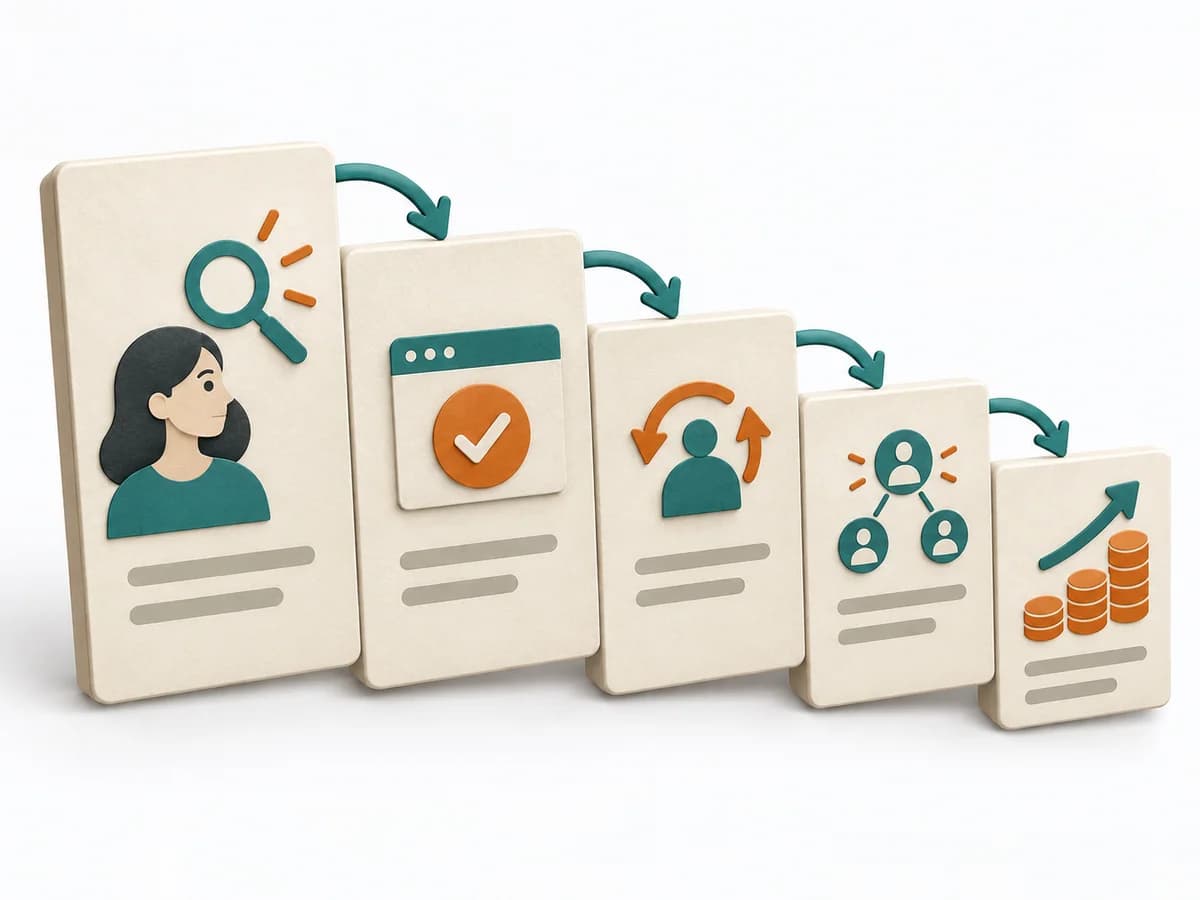 Growth Pirate Metrics AARRR | 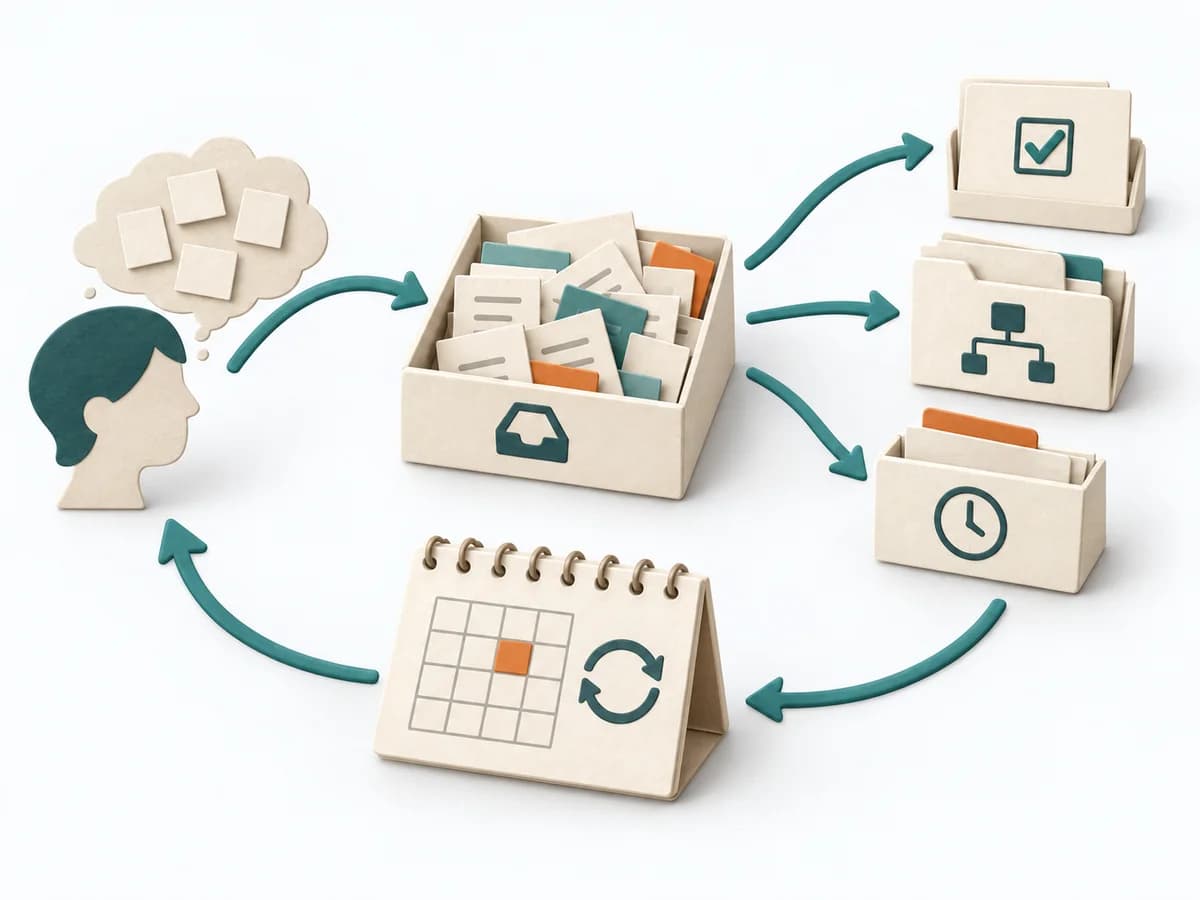 Operations Getting Things Done | 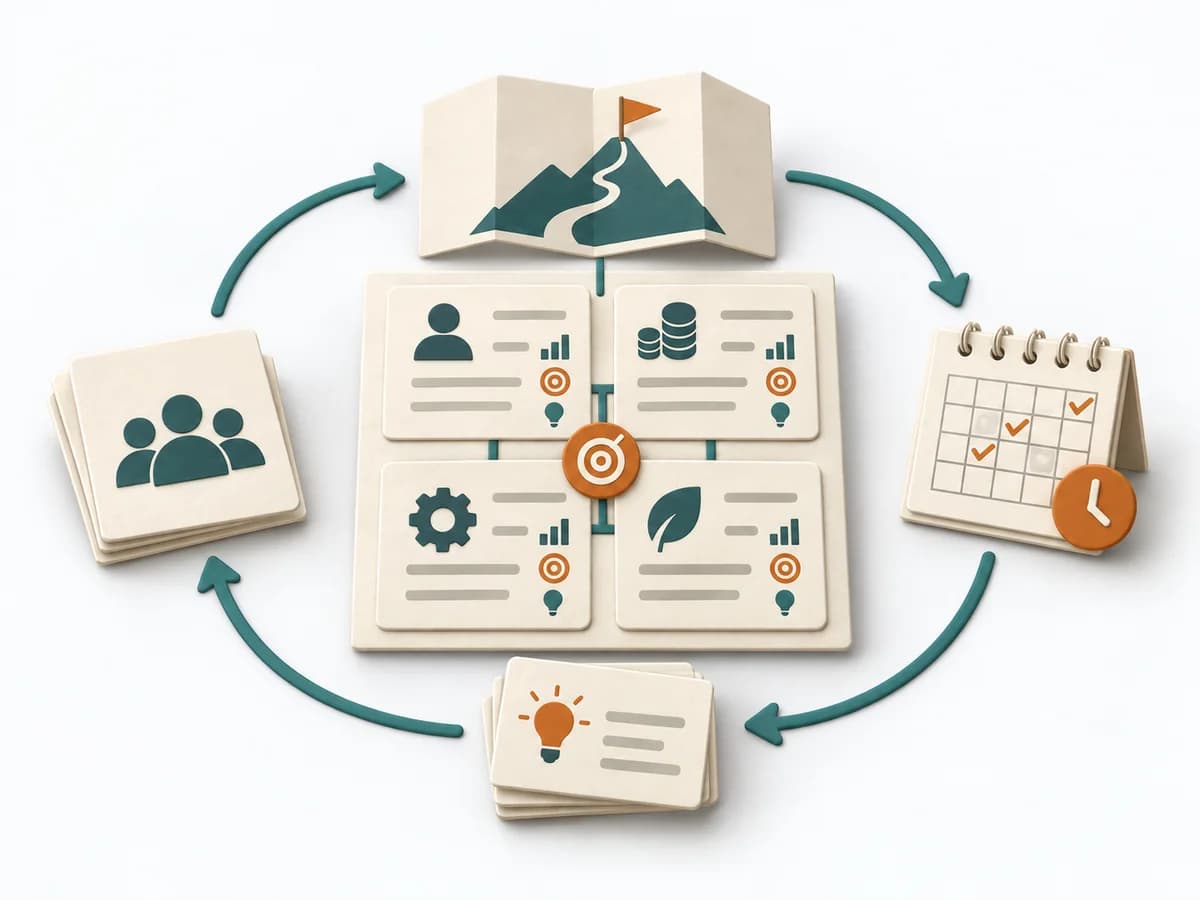 Business Strategy Balanced Scorecard |
|---|---|---|---|---|
Purposedifferent | The PARA Method organizes knowledge into Projects, Areas, Resources, and Archives. It creates order when digital notes, files, and tasks no longer cleanly fit current work. | For products with complex usage paths, overall growth alone is too coarse to reveal bottlenecks. Pirate Metrics breaks the relationship with the product into consecutive stages and shows where the funnel actually leaks. | With many open commitments and ideas in daily life, a reliable external storage system emerges. The method relieves the mind so priority and context don't have to compete in memory. | Balanced Scorecard translates strategy into a few interconnected perspectives and metrics. It holds impact, steering, and learning together in daily work instead of narrowing strategy down to financial figures. |
Complexitydifferent | Medium | Medium | Medium | High |
Timedifferent | 1-3 h Setup, laufend | 1-2 h Setup, laufend | 1-2 h Setup, laufend | Halber Tag bis mehrere Wochen |
Participantsdifferent | 1 | 2-8 | 1 | 4-12 |
Formatdifferent | Async | Workshop + async | Async | Workshop + async |
Outputdifferent | PARA Structure, Project Notes, Knowledge Archive | AARRR funnel, Metric baseline, Experiment backlog | Action Lists, Project List, Review Routine | Balanced Scorecard, Strategic Measures, Initiative Map |
Tagsno overlap | KnowledgeProductivityOrganization | GrowthMetricsExperiments | ProductivityPlanningTasksExecution | StrategyMetricsExecution |