View methods side by side.
Choose up to four methods. Add them using the search and share the comparison by copying its link.
| Criterion | 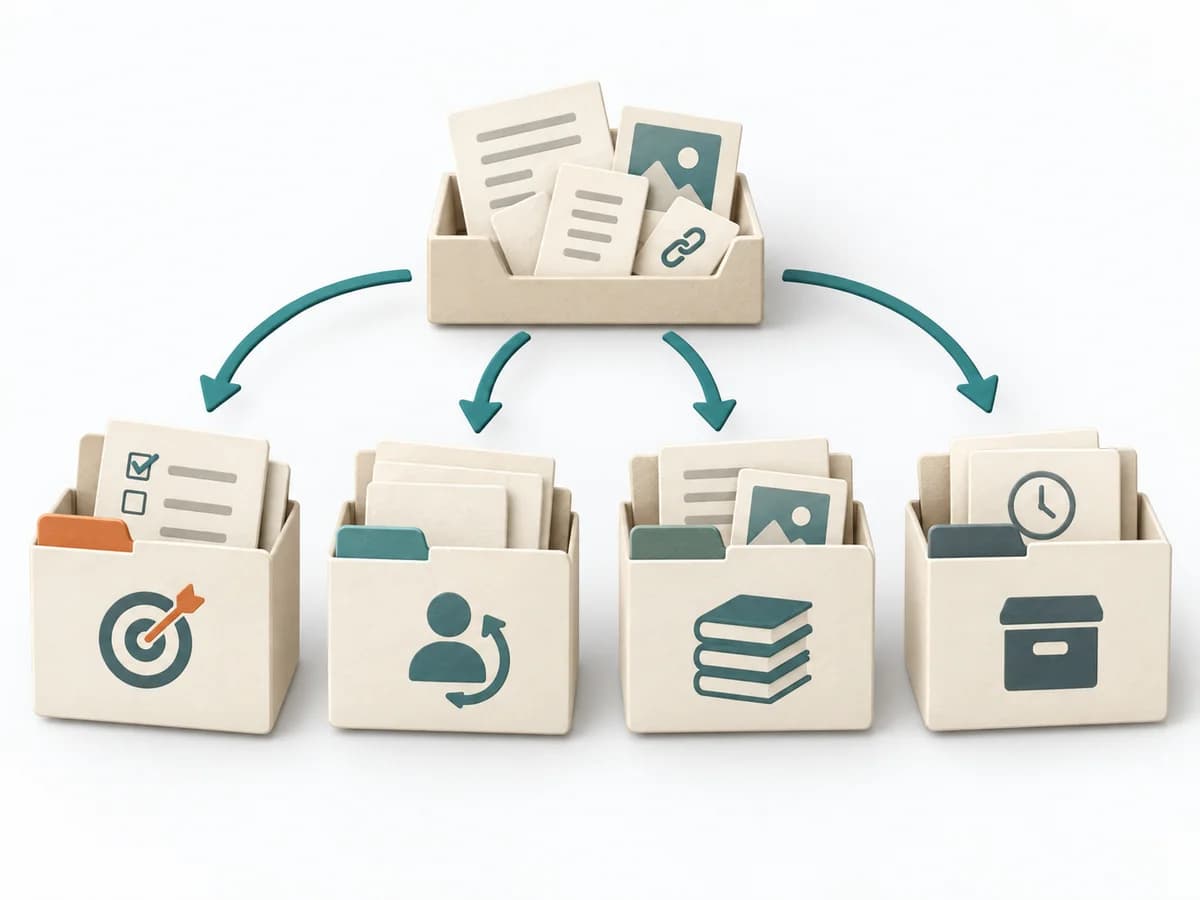 Knowledge Modeling PARA Method | 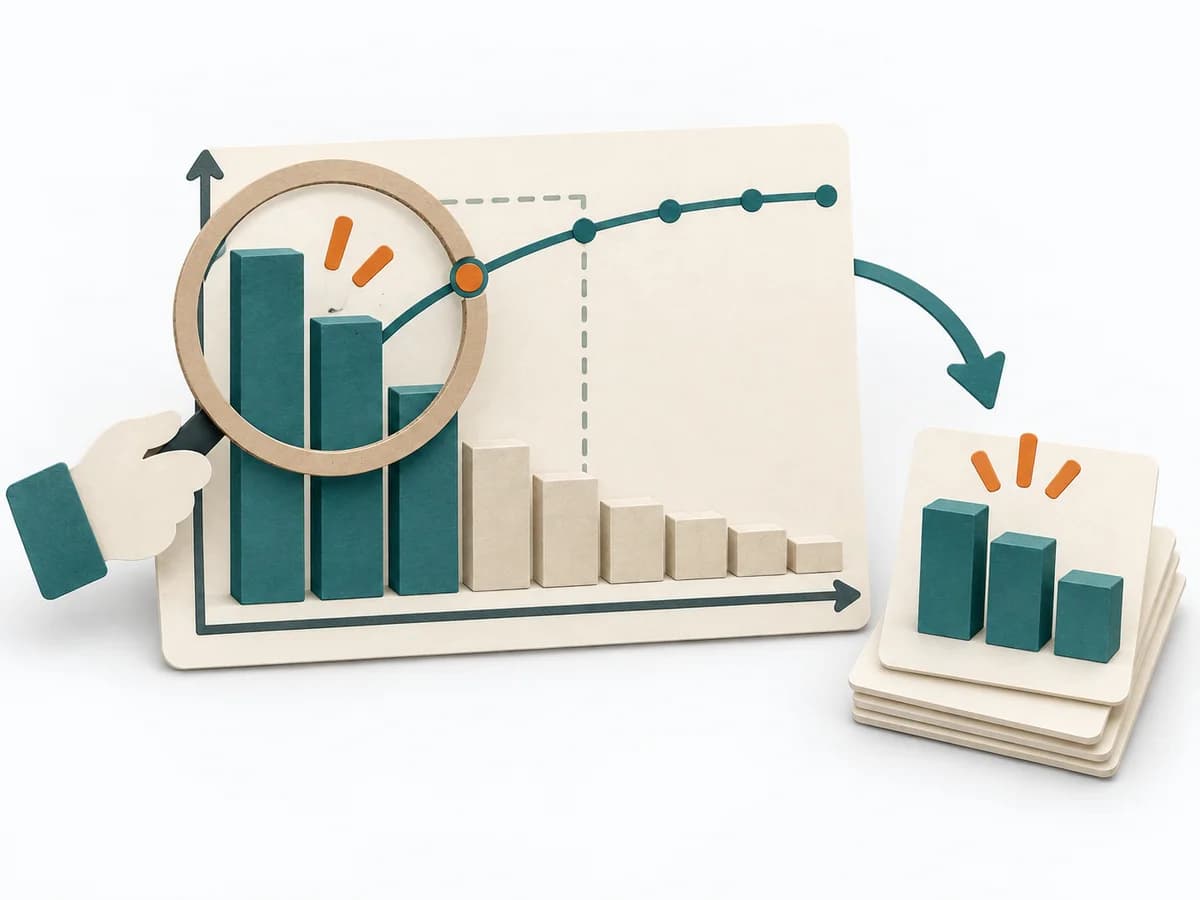 Decision Making Pareto Analysis | 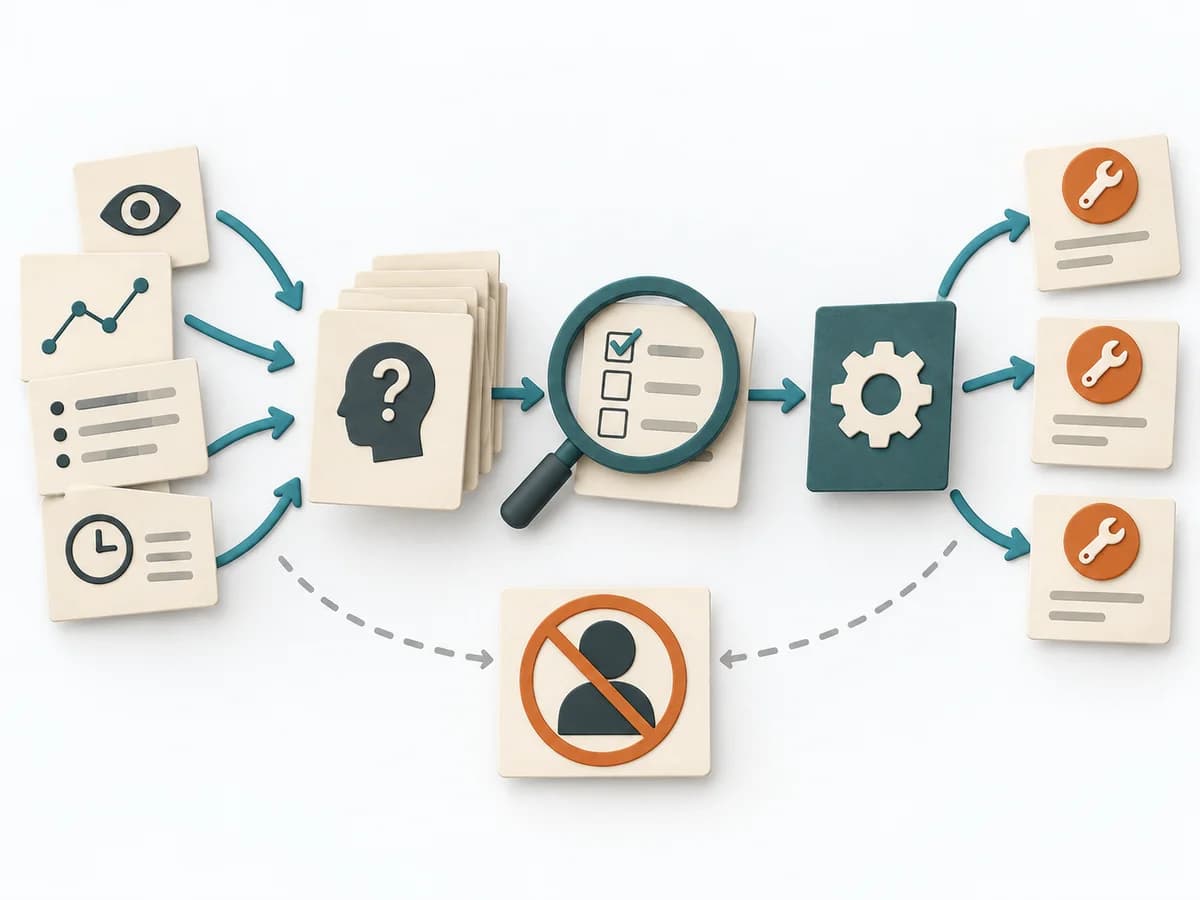 Operations Root Cause Analysis | 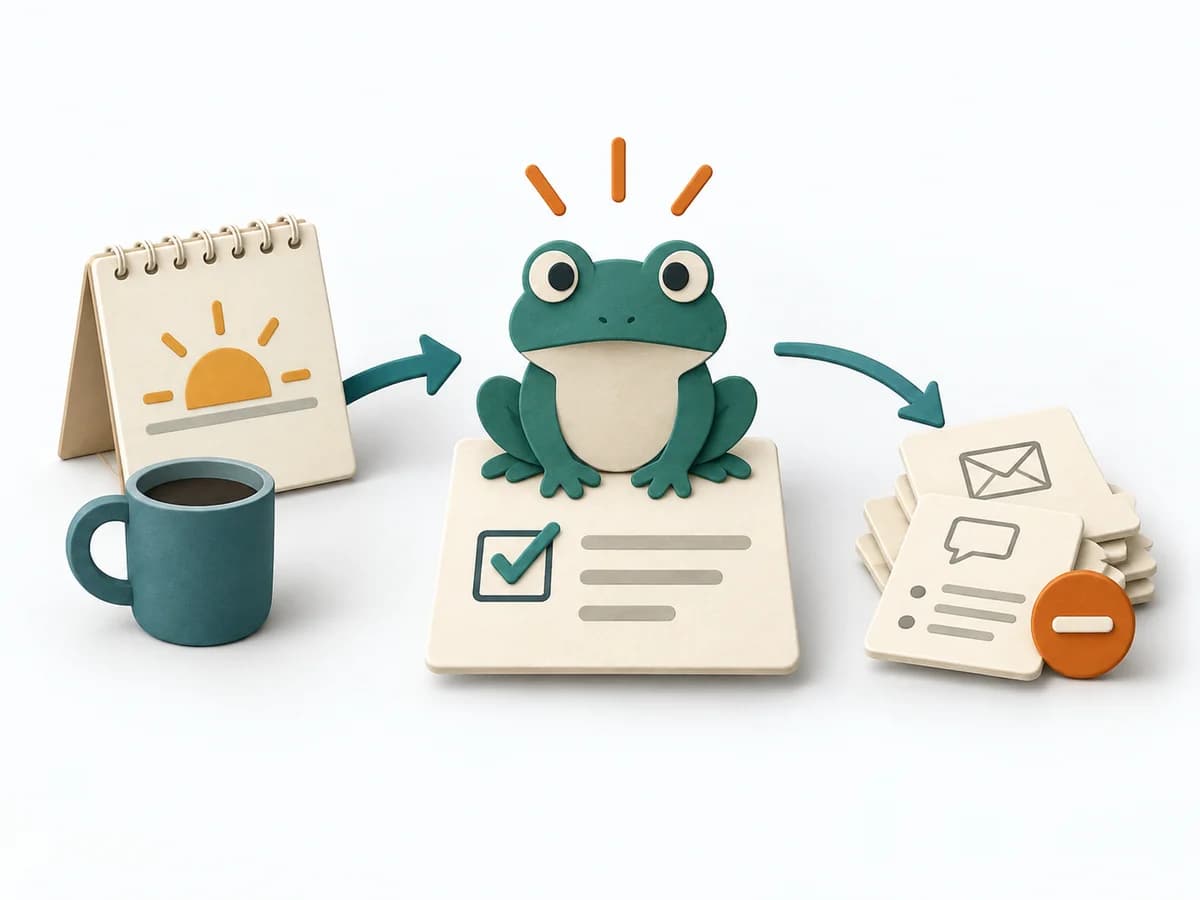 Operations Eat the Frog |
|---|---|---|---|---|
Purposedifferent | The PARA Method organizes knowledge into Projects, Areas, Resources, and Archives. It creates order when digital notes, files, and tasks no longer cleanly fit current work. | In many problem situations, effect is distributed unequally across many causes. A Pareto Analysis separates the few drivers with high leverage from the long remainder and focuses attention on what measurably moves the needle. | When a problem keeps recurring and the cause stays unclear, the method exposes the underlying mechanism. It separates symptom, guess, and robust explanation from one another. | The method protects energy and attention for the task that creates the largest progress and is often postponed. |
Complexitydifferent | Medium | Low | Medium | Low |
Timedifferent | 1-3 h Setup, laufend | 30-60 min | 1-4 h | 15-90 min daily |
Participantsdifferent | 1 | 1-6 | 3-8 | 1 |
Formatdifferent | Async | Workshop + async | Workshop + async | Async |
Outputdifferent | PARA Structure, Project Notes, Knowledge Archive | Pareto Chart, Top Causes, Focus List | Problem Statement, Cause Hypotheses, Confirmed Causes, Action Plan | Priority Task, Completion Note, Daily Focus |
Tagsno overlap | KnowledgeProductivityOrganization | PrioritizationQualityFocusRoot cause | Root causeProblem solvingQualityIncident | PrioritizationProductivityFocusExecution |